Which Is Better – The Masai Mara or the Serengeti? 2027 Safari Comparison Guide
Which is better – the Masai Mara or the Serengeti? The short, honest answer is that neither destination is universally superior; instead, one of them is dramatically better suited to your exact travel style, timing, and budget. While millions of safari travelers assume they are choosing between two entirely separate wilderness areas, the fascinating reality is that the Masai Mara in Kenya and the Serengeti in Tanzania are part of the exact same contiguous ecosystem. Divided only by an invisible political border, these legendary destinations share the same abundant wildlife, golden savannas, and ancient rhythms. Yet, planning a journey for 2027 reveals that your actual day-to-day experience in each park will feel light-years apart.
Scale and Geographic Footprint
To understand how your trip will unfold, you must look closely at geographical scale. Tanzania’s Serengeti National Park is vast, spanning nearly 5,700 square miles of sweeping plains, ancient granite kopjes, and lush riverine woodlands. By comparison, Kenya’s Masai Mara National Reserve is remarkably compact, covering roughly 580 square miles—about one-tenth the physical size of its southern neighbor. This fundamental difference in spatial dimension directly impacts your daily safari itinerary.
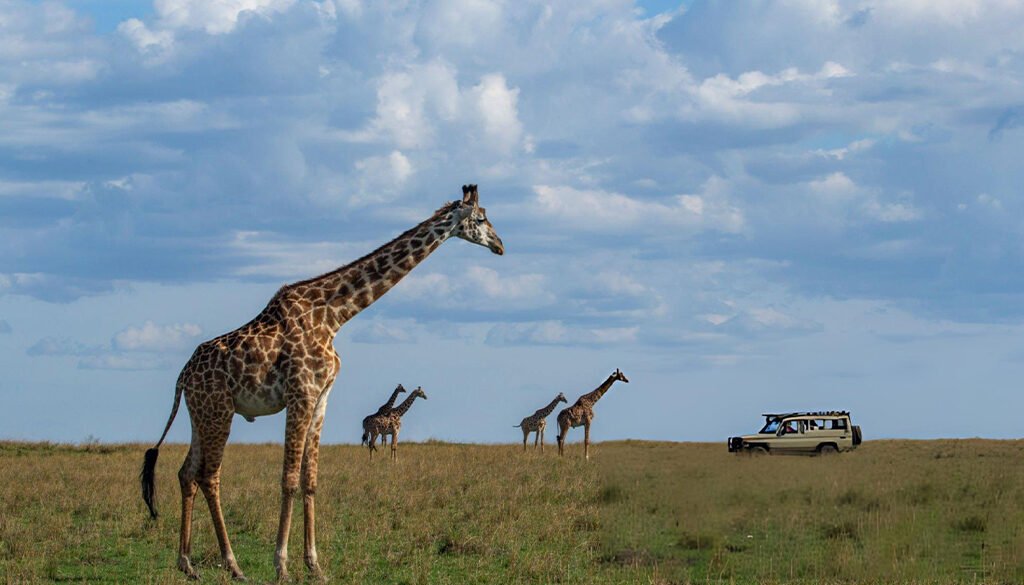
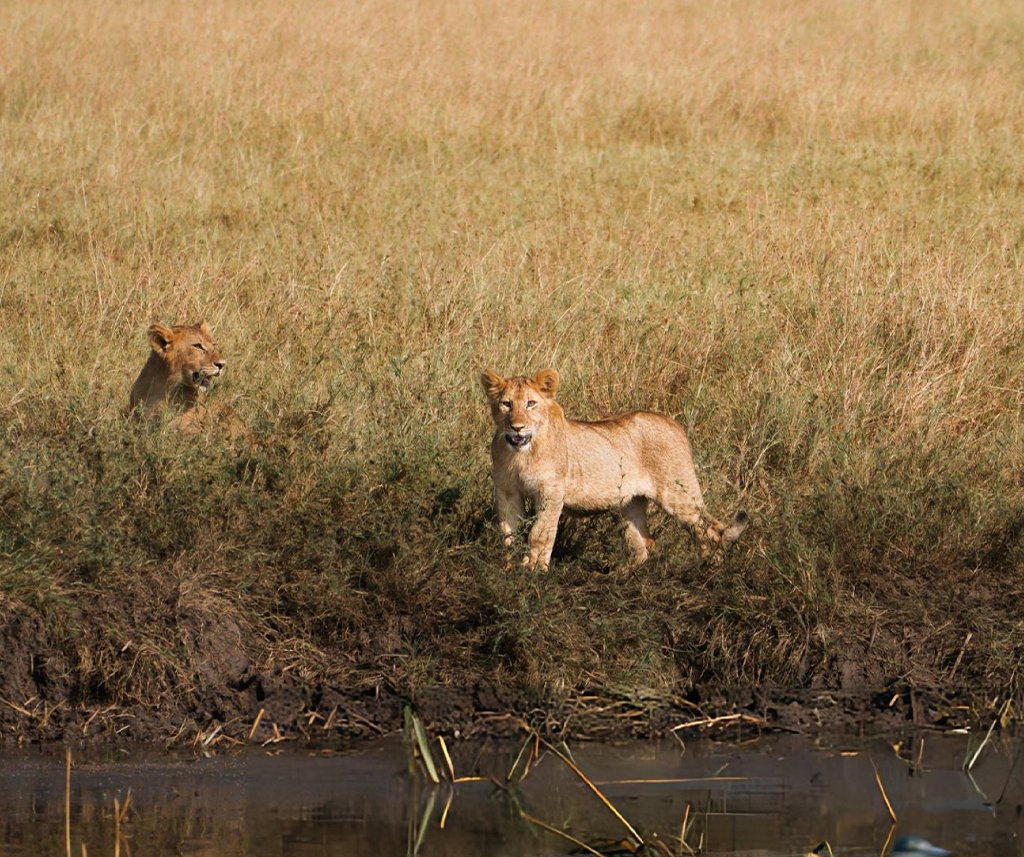
In the Masai Mara, high wildlife density paired with a smaller footprint yields frequent game sightings in shorter timeframes. If your itinerary allows only three or four days, the Mara delivers immediate gratification. Within a single morning drive, travelers frequently view lions lounging under acacia trees, cheetahs scanning open horizons, elephant herds navigating grasslands, and elusive leopards resting in riverine canopies. Shorter tracking distances between sightings make it an outstanding choice for action-packed drives, first-time safari visitors, families traveling with younger children, or anyone operating on a tight schedule.
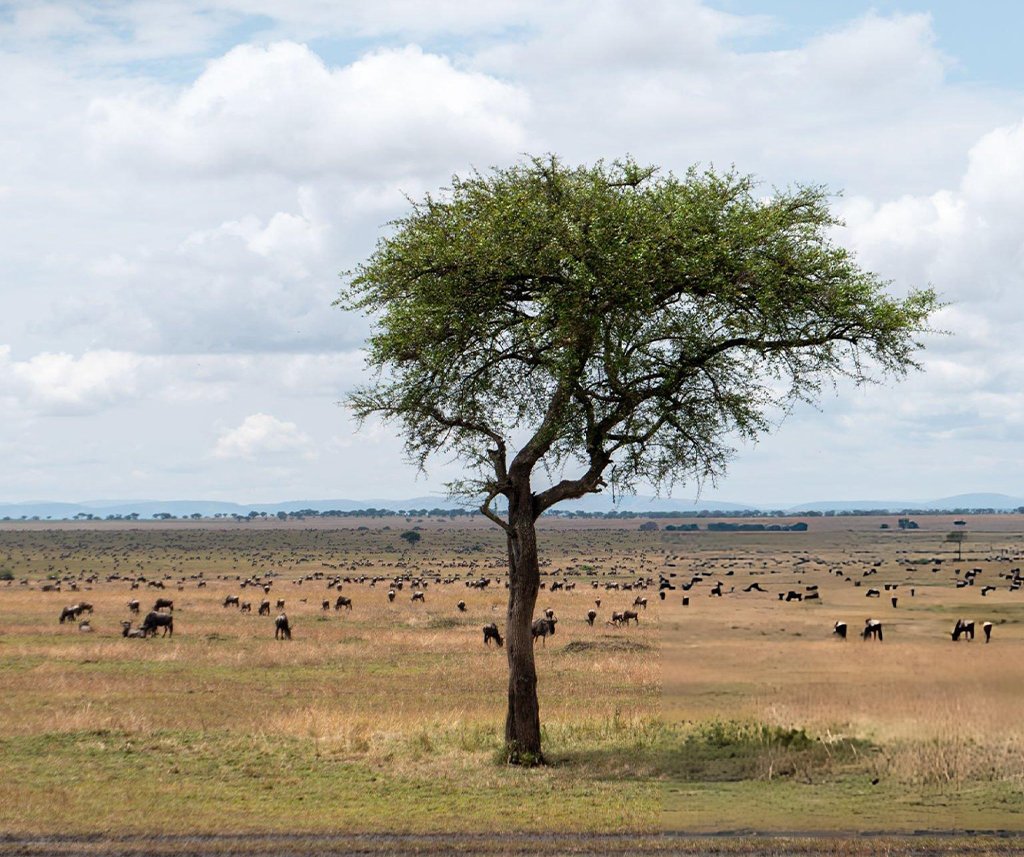
However, that remarkable density comes with a distinct trade-off: higher visitor numbers and vehicle concentration. Because the core reserve is compact, major predator sightings can rapidly attract multiple safari vehicles. If your ideal journey requires total solitude—where you gaze across an uninterrupted horizon without another soul nearby—the Serengeti takes the crown. Its sprawling expanse allows animals and safari vehicles to spread across diverse regions, including the southern Ndutu plains, the central Seronera valley, and the remote northern corridors. Traversing the Serengeti offers an unmatched sense of wild, untamed scale, where you can drive for hours feeling like the only humans on earth.
Tracking the Great Migration Across Borders
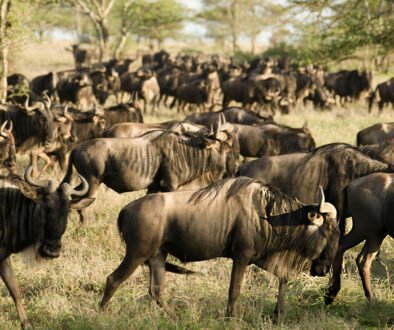
When tracking the Great Migration—the dramatic spectacle of nearly two million wildebeest, zebras, and gazelles moving continuously for survival – timing dictates success. The two parks complement rather than compete with each other across the calendar. The migration is a year-round circular journey rather than a single event. From January through March, mega-herds congregate in the southern Serengeti and Ngorongoro Conservation Area for calving season, where thousands of calves are born daily, driving intense predator interaction. By May and June, herds move northwest through the Serengeti’s central and western corridors.
Between July and October, herds reach the northern boundary to cross into the Masai Mara. This period brings famous river crossings at the Mara River, where dramatic survival scenes unfold along steep banks and crocodile-infested waters. By late October or November, short rains trigger their return southward into Tanzania. Consequently, travelers visiting between December and June will find optimal conditions in the Serengeti. Those journeying between July and October can enjoy phenomenal viewing in both locations, though the Masai Mara offers front-row access to concentrated river crossing hotspots.
Travel Logistics and Budget Considerations
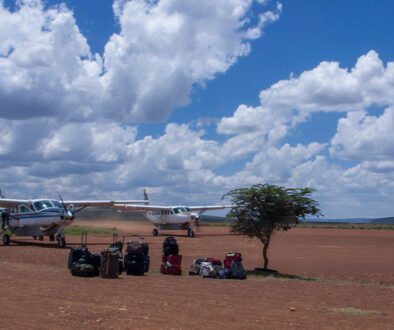
Logistics and overall travel budgets play decisive roles when deciding whether the Masai Mara or the Serengeti fits your goals. Kenya’s Masai Mara offers greater accessibility and a wider range of price options. A brief 45-minute flight from Nairobi’s Wilson Airport lands directly at bush airstrips, though scenic overland transfers are also widely available. Surrounding the public reserve are private conservancies managed in partnership with local Maasai communities. These conservancies strictly regulate vehicle numbers and offer exclusive activities prohibited inside public national parks, including night game drives, guided walking safaris, and off-road tracking. This flexibility makes the Mara adaptable, serving budget-conscious road trips and luxury private stays alike.
Conversely, visiting Tanzania’s Serengeti involves higher park conservation fees, logistical taxes, and longer travel times. Reaching the park usually requires flying into Kilimanjaro or Arusha, followed by domestic bush flights or extended overland drives through Lake Manyara and the Ngorongoro Crater. Because of these structural costs, a Serengeti itinerary carries a higher baseline investment. Nevertheless, the reward is an unhurried, deeply immersive expedition through some of Africa’s most pristine, expansive wilderness landscapes.
Cultural Connections and Guided Experiences
Cultural integration further distinguishes these two iconic destinations. In Kenya, tourism partnerships with local Maasai communities are seamlessly integrated, especially within community conservancies. Guests learn directly from Maasai guides who have inhabited these lands for generations, providing authentic cultural encounters alongside wildlife viewing. While cultural village visits exist around the Serengeti’s periphery, the vast inner regions remain focused primarily on pure wilderness, vast horizons, and animal behavior.
Head-to-Head Comparison
Feature | Masai Mara (Kenya) | Serengeti (Tanzania) |
Physical Size | ~580 sq miles (Compact) | ~5,700 sq miles (Vast) |
Best Travel Months | July to October | December to June (Year-round overall) |
Sightings Density | Very High / Short driving distances | High / Spread over large distances |
Crowd Levels | Higher in core reserve areas | Low / High sense of isolation |
Exclusive Activities | Night drives & walks in conservancies | Mostly game drives within park rules |
Logistical Complexity | Lower / Quick connections from Nairobi | Moderate to High / Longer transfers |
Whether you choose the Masai Mara or the Serengeti, both parks deliver legendary African safari memories. Aligning your travel dates, desired level of privacy, and budget with each landscape’s unique strengths ensures an unforgettable 2027 wilderness adventure.