Are Jackals Dangerous to Humans in the Wild?
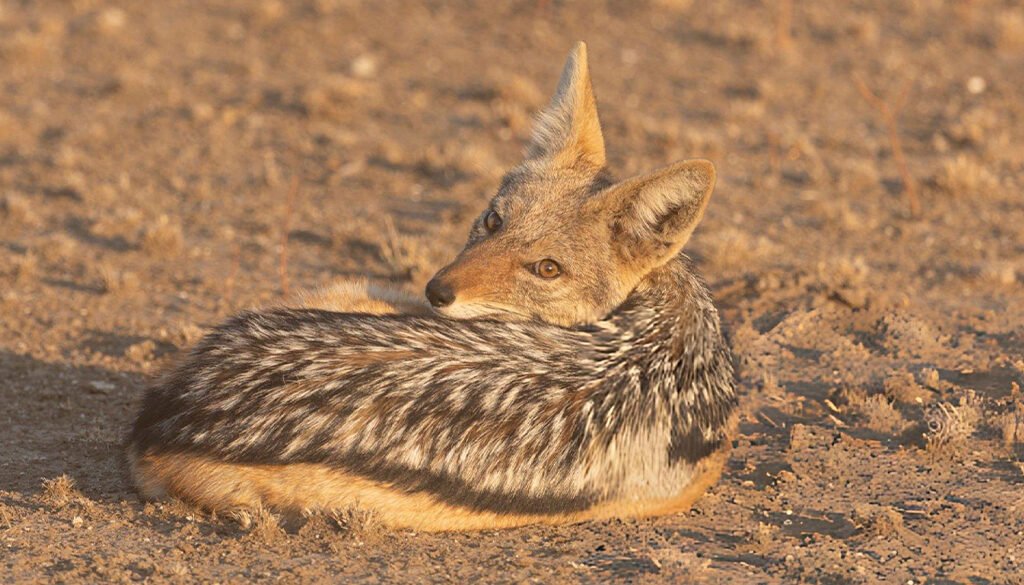
Are jackals dangerous to humans? To answer that question directly: no, jackals are generally not dangerous to humans. Unless a jackal is cornered, defending its pups, or infected with a deadly virus like rabies, it wants almost nothing to do with you. In fact, if you happen to spot one in the wild, chances are it will turn tail and vanish into the brush long before you can even pull out your phone to take a photo.
1. Physical Size and Power Dynamics
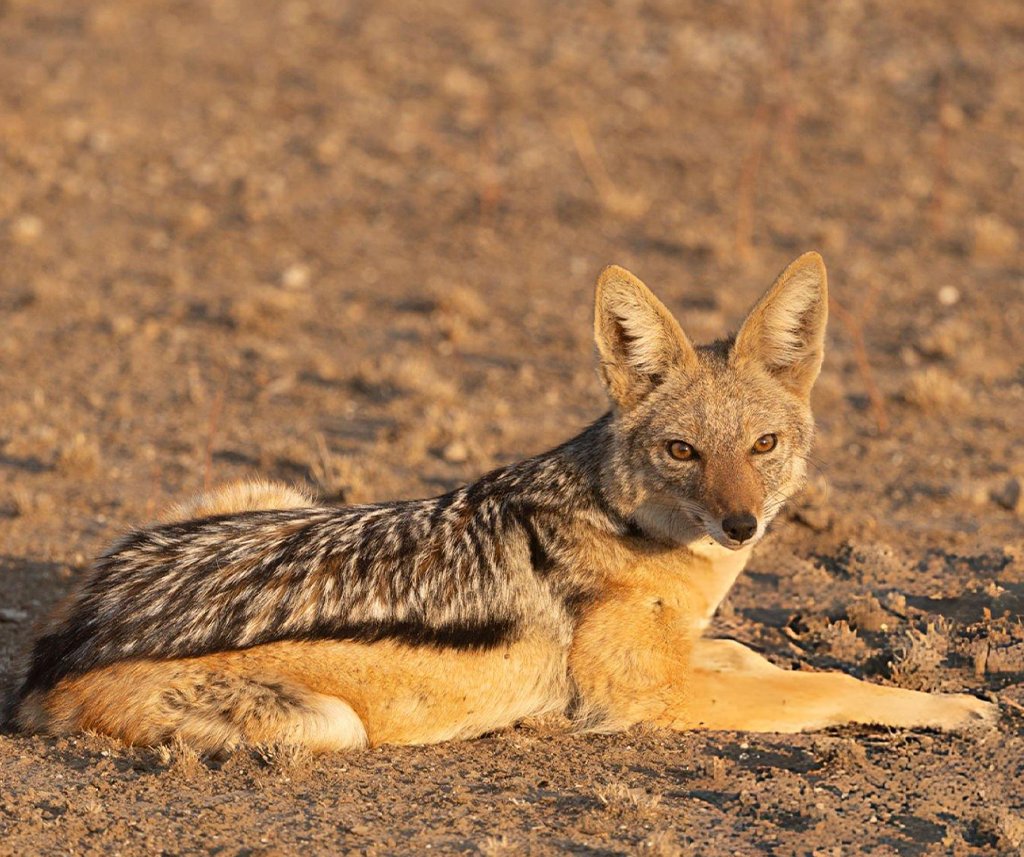
An average adult jackal weighs between fifteen and thirty pounds, standing roughly fifteen to twenty inches high at the shoulder. To put that into perspective, most jackals are smaller than a medium-sized domestic dog like a Beagle or a Border Collie. They lack the jaw pressure, body mass, and sheer muscular power of wolves or big cats.
A healthy, solitary jackal encountering an adult human knows instantly that it is entirely outmatched. Their primary defense mechanism when confronted by a human isn’t to fight; it is to vanish into the brush before you even realize they were there.
2. Threats to Livestock and Agriculture
While physical attacks on people are practically non-existent, that does not mean jackals are entirely free of danger to human interests. The real threat jackals pose isn’t to our bodies, but to our livelihoods and safety through indirect means. For livestock farmers, particularly those raising sheep, goats, or poultry, jackals can be a persistent nuisance.
As opportunistic hunters and scavengers, a pair of jackals will readily take advantage of an unguarded lamb, a weak calf, or a stray chicken. This conflict over livestock has fueled a centuries-old rivalry between farmers and rural communities, often leading to exaggerated tales of the animal’s viciousness.
3. Disease Vector: The Rabies Risk
Beyond livestock predation, the most significant health hazard associated with jackals is the transmission of disease, chief among them being rabies. Rabies alters the behavior of infected animals, stripping away their natural fear of humans and causing unpredictable aggression. A rabid jackal will lose its skittish instinct, potentially wandering into human settlements, attacking domestic pets, or biting people.
In regions where rabies is endemic among wildlife, jackals serve as a key vector for the virus. This risk makes any unusually bold or disoriented jackal a potential hazard, reminding us that when asking are jackals dangerous to humans, the true danger lies not in the animal’s natural behavior, but in the pathogens it can carry.
4. Urbanization and Habituation Challenges
It is also worth noting how human urbanization is changing the dynamic between humans and jackals. As human populations expand and natural habitats shrink, jackals demonstrate remarkable adaptability. They are highly intelligent opportunists, quick to realize that human towns and suburban fringes offer easy meals in the form of overflowing trash cans, fallen orchard fruit, open compost heaps, and unattended pet food.
In places like urban Israel or parts of Southeastern Europe, golden jackals have become frequent night-time visitors to city parks and residential neighborhoods. This growing proximity creates a different kind of issue: habituation. When jackals regularly find food around human settlements, they gradually lose their innate fear of people. A habituated jackal may approach humans expecting food, which can easily lead to tense encounters, conflicts with domestic dogs, or bites resulting from hand-feeding attempts. Wildlife experts continually emphasize that feeding wild jackals—whether intentionally or accidentally through accessible garbage—is the quickest way to turn a harmless neighbor into a potential nuisance animal.
5. What to Do During an Encounter
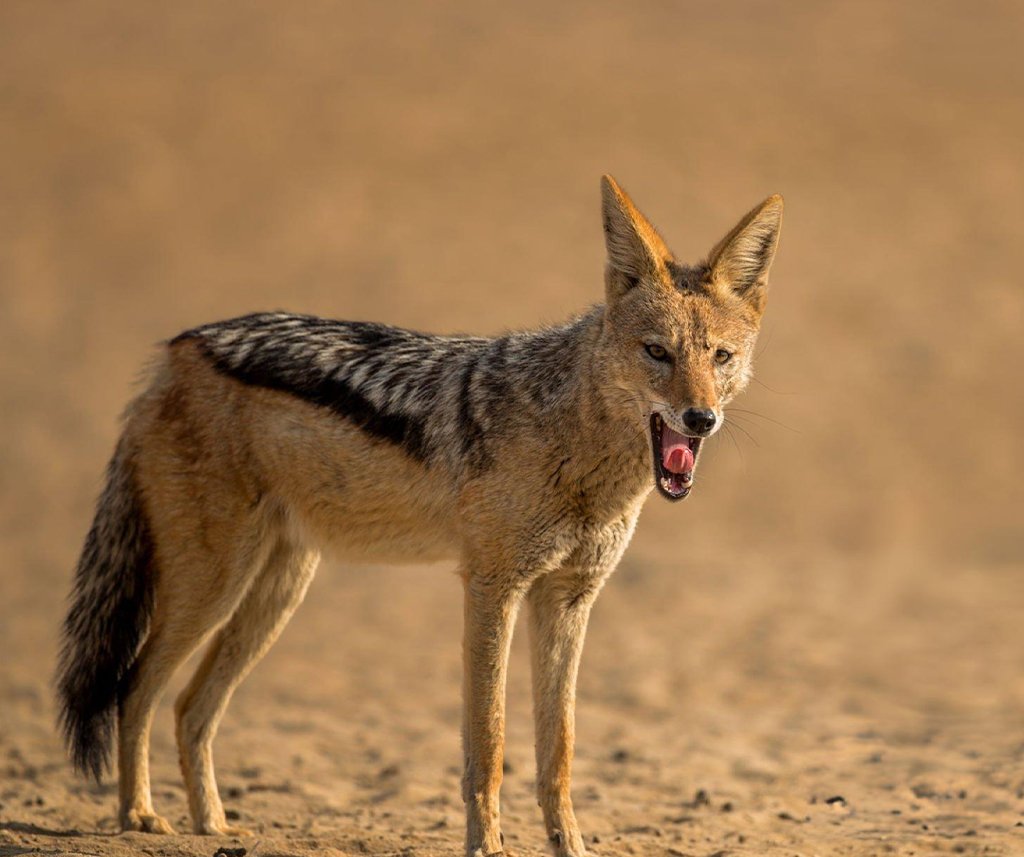
So, how should you react if you happen to cross paths with a jackal while hiking or living near their range? The best approach is simply to appreciate the sighting from a respectful distance. Given their shy nature, standard safety protocols for wildlife work remarkably well:
-
Stand tall and maintain distance: Do not run, as running can trigger a predatory chase instinct in canids.
-
Keep pets secured: Keep dogs on a leash, as a jackal might view a small dog as prey or a larger dog as a territorial competitor.
-
Make your presence known: Clap your hands or make noise if the animal appears overly curious or habituated.
-
Never corner or feed them: Hand-feeding directly leads to aggressive habituation.
6. Myth vs. Reality in Wildlife Perception
Throughout folklore and local tales, jackals are frequently depicted as cunning, treacherous, or bloodthirsty pack hunters that ambush unsuspecting travelers. In reality, these myths stem from their scavenging habits—frequently spotted near carcasses killed by larger predators like lions or leopards—and their eerie nocturnal vocalizations.
Jackals live primarily in monogamous pairs or small family units, rather than large, aggressive packs like grey wolves. They focus their hunting efforts on small rodents, hares, reptiles, insects, and berries. Understanding their actual biology helps deconstruct the fear-based narratives that make people wonder are jackals dangerous to humans in everyday life.
7. How to Prevent Neighborhood Conflicts
To ensure jackals remain shy and distant, simple human management practices go a long way in preventing urban conflicts:
-
Secure waste management: Use tight-fitting lids on outdoor trash bins and secure compost enclosures.
-
Bring pet food indoors: Never leave dog or cat food outside overnight.
-
Protect livestock: Utilize guard dogs, secure fencing, or night shelters for poultry and small farm animals.
-
Clear fallen fruit: Frequently clear fallen fruits from backyard trees to avoid attracting scavengers.
Ultimately, jackals play a critical role as ecosystem cleaners, controlling rodent populations and clearing carrion. Respecting their wild boundaries ensures they remain a harmless and fascinating part of the natural world.