How Powerful Is a Hyena’s Bite Force? PSI, Jaw Anatomy & Bone Digestion
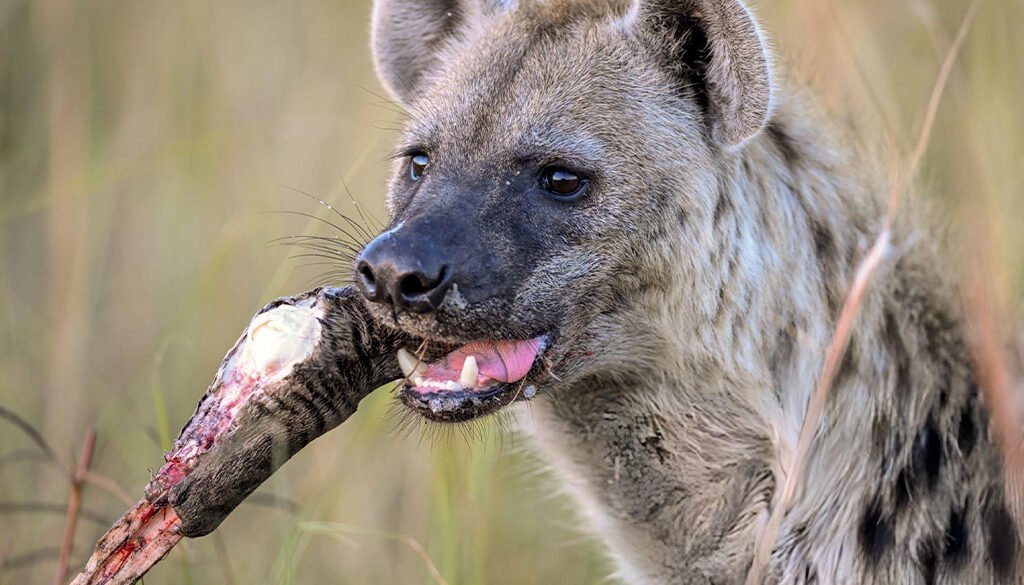
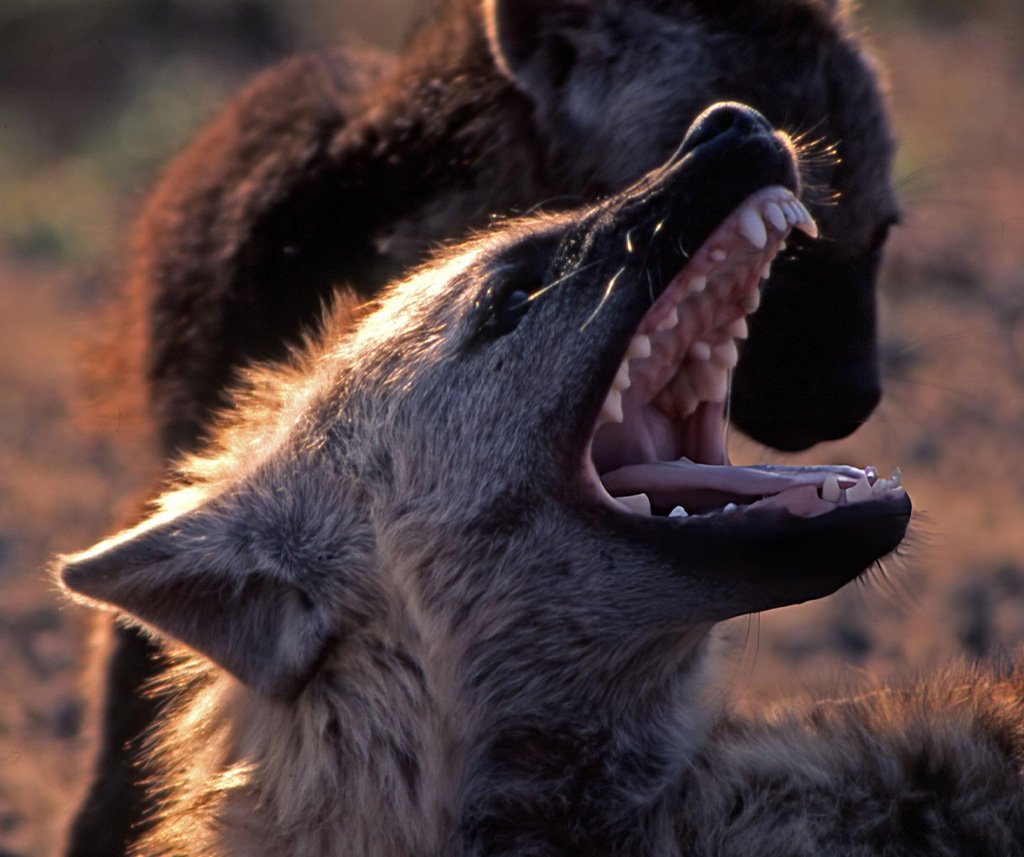
The hyena’s bite force is one of the most formidable mechanical adaptations in the animal kingdom. Producing up to 1,100 pounds per square inch (PSI) of pressure, a spotted hyena can crush dense giraffe femurs, slice through tough hide, and consume entire carcasses in minutes. This extreme physical capability relies on a specialized cranial structure, hyper-developed jaw musculature, and a uniquely adapted digestive system designed to extract every nutrient from bone marrow.
Understanding Hyena Bite Force and PSI
To evaluate the strength of a hyena’s jaw, researchers measure force in pounds per square inch (PSI) alongside Newton calculations. The hyena bite force reaches approximately 1,100 PSI at the tip of the premolars, where force concentration reaches its maximum.
For perspective, human bite force averages around 120 to 160 PSI, while domestic dogs typically exert between 200 and 400 PSI. Even large apex predators like lions and tigers deliver bite forces in the range of 650 to 1,000 PSI at the canine teeth. While big cats rely on quick, suffocating bites to soft tissue, hyenas exert continuous pressure designed to shatter solid structure.
Jaw Anatomy: The Architecture Behind the Power
The exceptional hyena’s bite force is not merely a product of muscle size; it is rooted in specialized skull biomechanics that prevent the animal’s head from fracturing under its own pressure.
-
The Sagittal Crest: Running along the top of the hyena’s skull is a prominent ridge of bone known as the sagittal crest. This structure serves as an anchor point for the temporalis muscles—the primary muscles responsible for closing the jaw. The heightened ridge increases surface area, allowing massive muscle belly attachment.
-
Zygomatic Arches: The wide, arched cheekbones (zygomatic arches) provide clearance for huge masseter muscles. This lateral expansion gives the skull its vaulted, boxy appearance and creates maximum mechanical leverage near the jaw hinge.
-
Vaulted Frontal Bones: Crushing bones generates intense kinetic feedback through the upper skull. Hyenas have heavy, vaulted frontal bones filled with air sinuses that act as shock absorbers, protecting the brain case from impact stress when fracturing thick limb bones.
-
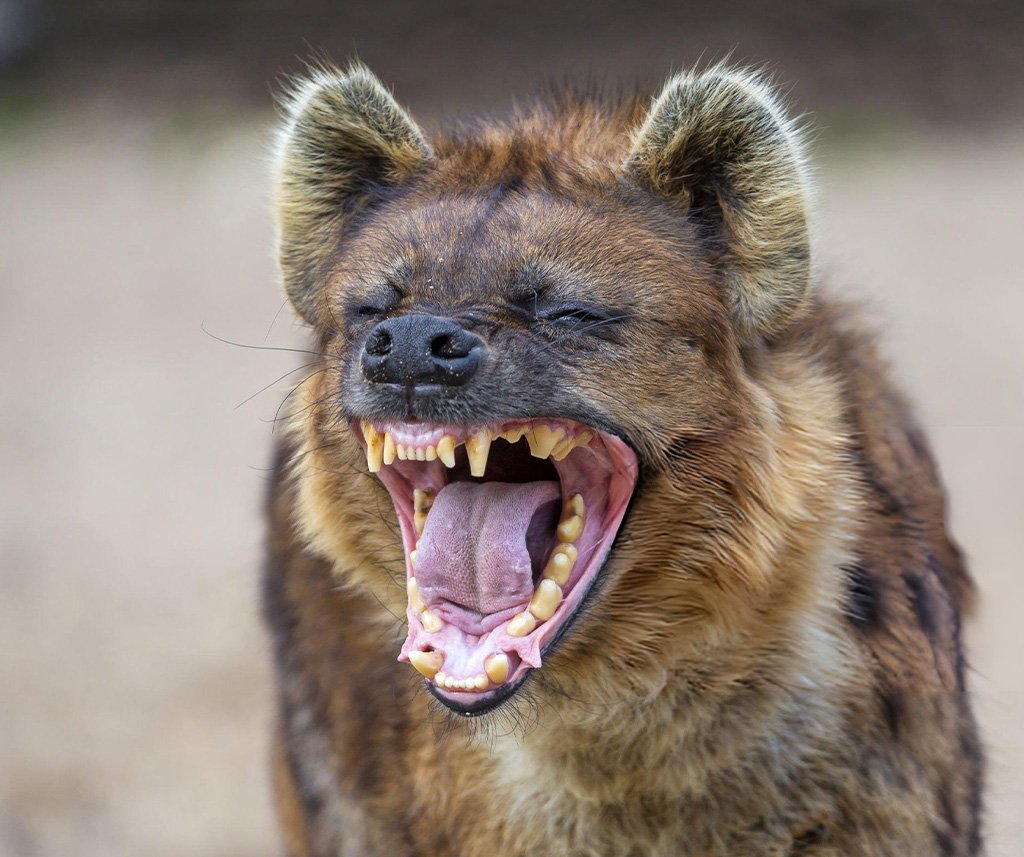
Specialized Dentition: Hyenas do not use their front canines to crush bones; doing so would shatter the teeth. Instead, they utilize heavy, conical premolars situated closer to the jaw fulcrum. The enamel on these teeth features a complex, interwoven decussating structure that resists cracking, directing stress inward rather than allowing fractures to spread across the tooth surface.
Bone Cracking Mechanics in Action
When feeding, a spotted hyena shifts bone fragments toward the back of its mouth, positioning them under the third premolar. This shortens the moment arm between the jaw joint and the crushing point, multiplying the effective force exerted by the jaw muscles.
This mechanical leverage allows hyenas to access bone marrow—a nutrient-rich, high-fat tissue unavailable to most other carnivores. By breaking open the thickest long bones of ungulates, hyenas eliminate food competition from smaller scavengers and maximize caloric intake from every kill.
Bone Digestion and Gastric Efficiency
A powerful bite force is useless without an internal system capable of processing swallowed bone fragments, hoof material, and thick skin. The hyena’s digestive tract is adapted specifically for extreme carnivory.
-
Highly Acidic Gastric Environment: The stomach of a spotted hyena maintains an extremely low pH, dropping to near 1.0 when digesting. This high acidity breaks down organic bone matrix, calcium phosphate, and mineral compounds, dissolving sharp bone shards before they can damage the intestines.
-
Caloric Mineral Extraction: Dissolved bone material yields vital inorganic minerals like calcium and phosphorus, as well as proteins bound within collagen structures.
-
Regurgitation of Inedibles: Materials that cannot be dissolved—such as hair, horn sheaths, and hooves—are condensed into compact pellets and regurgitated, keeping the lower intestinal tract clear of blockages.
-
Distinctive Excretions: Because the digestive system neutralizes and absorbs huge volumes of mineral matter, hyena scat dries into a chalky, bright white powder composed largely of processed calcium salts.
Comparison Across Hyena Species
Not all members of the family Hyaenidae possess the same crushing capabilities. The hyena bite force varies significantly depending on diet and evolutionary niche across the four extant species:
-
Spotted Hyena (Crocuta crocuta): Possesses the strongest skull and highest bite force (1,100 PSI). A primary hunter and scavenger built for total bone destruction.
-
Brown Hyena (Parahyaena brunnea): Features a similar skull structure capable of crushing bone, though slightly smaller in overall capacity. Adapted for scavenging in arid coastlines and deserts.
-
Striped Hyena (Hyaena hyaena): Maintains moderate bone-cracking abilities, focusing on smaller vertebrate remains, vegetation, and invertebrates.
-
Aardwolf (Proteles cristata): An evolutionary outlier. The aardwolf feeds almost exclusively on termites, possessing peg-like, reduced teeth and a delicate jaw structure with negligible bite force.
Ecological Role of the Ultimate Crusher
The evolutionary drive behind the hyena’s bite force centers on ecological efficiency. By consuming entire skeletons, spotted hyenas act as primary cleanup agents within African ecosystems. They reduce disease vectors by eliminating rotting remains and recycle critical mineral nutrients back into the soil through their chalky waste. Their ability to process bone transformed them from simple scavengers into one of the most successful, dominant predators across the African continent.