Is An Ethical Safari Truly Possible in Today’s Travel Landscape?
Is an ethical safari truly possible in today’s travel landscape? The short answer is yes—an ethical safari can be deeply, profoundly beneficial to wildlife and people. When executed properly, responsible wildlife tourism serves as the single most vital financial engine keeping Africa’s iconic wild spaces alive, protecting endangered species, and empowering rural communities. However, the reality behind the romanticized dream reveals a wide spectrum ranging from incredible ecological stewardship to rampant commercial exploitation. Choosing an authentic ethical safari requires looking past glossy brochures and examining what happens behind the scenes.
1. The Dark Side of Unregulated Safari Tourism
To understand why a strictly ethical safari matters, we must first confront what happens when profit outweighs respect for nature. In poorly regulated national parks and private concessions, wildlife viewing can quickly turn into an invasive spectacle.
When dozens of vehicles crowd around a single leopard or force a mother cheetah away from her hunt, animals experience chronic stress that alters their natural behaviors. Irresponsible drivers off-road through fragile ecosystems, destroying root systems and causing soil erosion that takes decades to repair.
Even worse are predatory tourist operations masquerading as wildlife sanctuaries—places where visitors are invited to pet lion cubs or walk alongside habituated predators. Almost without exception, these cub-petting ventures feed directly into the canned hunting industry. Hand-raised predators are eventually sold to be shot in fenced enclosures once they grow too large and dangerous for tourists to handle. A genuine ethical safari operator strictly bans any direct physical contact with wild predators.

2. Why Wildlife Tourism is Crucial for Conservation
Shunning wildlife travel altogether would be a devastating mistake for African ecosystems. The alternative to a well-managed ethical safari is rarely untouched paradise; it is far more often clear-cut agriculture, livestock overgrazing, or industrial mining.
Wildlife requires vast territories, and in modern Africa, land must generate economic value to survive competing human development. This is where an ethical safari performs a vital role. By assigning direct financial value to living animals and intact wilderness, high-impact, low-volume tourism transforms wildlife from a potential threat into a cherished community asset.
3. Shifting Away from “Fortress Conservation”
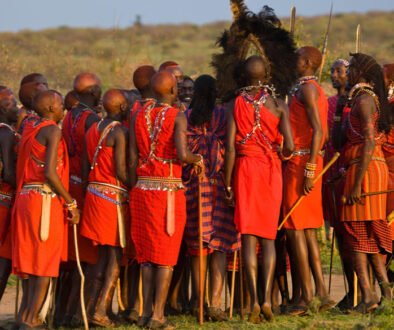
The history of conservation across Africa carries dark roots that modern ethical safari models actively work to undo. For generations, traditional conservation relied on “fortress conservation”—the harmful idea that nature could only be protected by erecting fences and forcefully displacing indigenous communities like the Maasai, Samburu, or San from their ancestral lands.
This exclusionary approach created deep resentment, turning local populations into enemies of conservation and driving many toward poaching out of economic survival. Today, an ethical safari flips this paradigm entirely on its head through community-based conservation.
4. How Community Conservancies Power Ethical Safaris
Today, the most inspiring ethical safari models operate on land leased directly from indigenous communities across Kenya, Namibia, and Botswana.
Instead of being pushed out, local tribes retain direct ownership of their land, forming conservancies where livestock grazing and wildlife protection are managed side by side. Bed-night fees from each ethical safari guest go straight into community hands to fund:
-
Local Healthcare: Medical clinics and mobile health units.
-
Education: School construction, teacher salaries, and university scholarships.
-
Clean Water: Borehole drilling and filtration infrastructure.
-
Micro-Loans: Seed funding for local women entrepreneurs.
When a community earns a sustainable living from living wildlife, every member becomes a passionate defender against poaching.
5. Comparing Ethical vs. Unethical Safari Practices
Operational Aspect | Unethical / Unregulated Safari | Ethical Safari Standard |
Animal Interaction | Cub petting, riding, feeding, or touching predators. | Zero physical contact; natural distance maintained. |
Vehicle Densities | Unlimited vehicles crowding single sightings. | Capped vehicle limits per sighting (typically 3–5 max). |
Land Ownership | Corporate ownership with displaced locals. | Community-leased conservancies with direct land rental. |
Off-Roading Policy | Unrestricted off-roading causing soil destruction. | Strict stick-to-track rules except in monitored circumstances. |
Resource Usage | Single-use plastics, diesel generators, high waste. | 100% solar power, greywater recycling, zero single-use plastics. |
6. The Standard of Ethical Guiding and Low-Impact Lodging
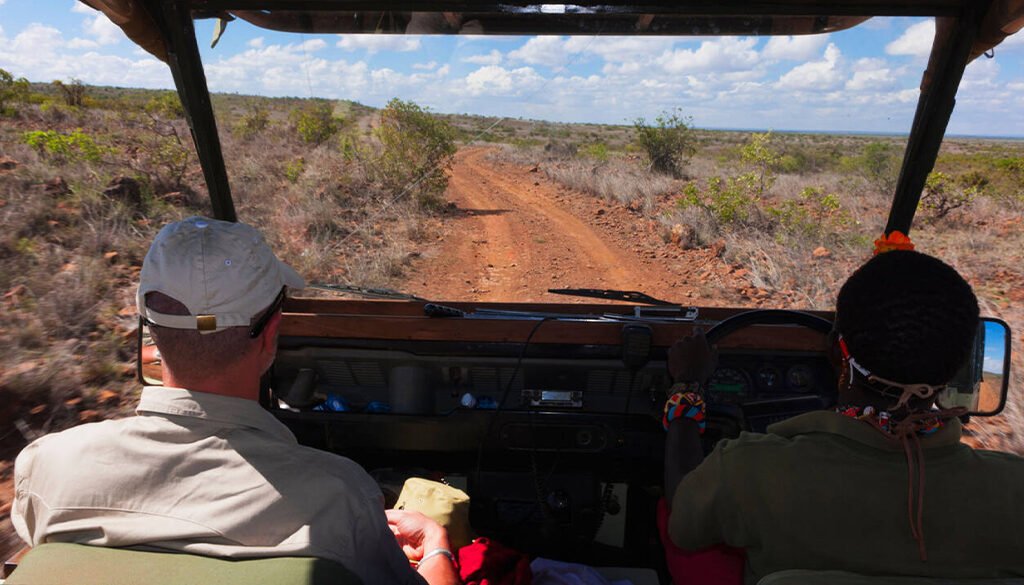
When you are out on a game drive with an ethical safari operator, the experience feels radically different. Guides undergo years of rigorous professional training, learning not just how to track animals, but how to interpret subtle body language.
They maintain respectful distances, turn off engines during sightings, and strictly prohibit off-road driving unless trailing an emergency or scientific monitoring effort. They teach guests that patience is the true art of the African bush, allowing travelers to observe natural animal behaviors without interrupting a hunt or disturbing a mother with her young.
Behind the scenes, an ethical safari lodge minimizes its environmental footprint through:
-
Renewable Energy: Off-grid solar arrays powering the entire camp.
-
Water Conservation: Advanced bio-filtration and greywater recycling systems.
-
Zero-Plastic Policies: Reusable stainless steel bottles and filtered water stations.
-
Lightweight Footprints: Tented structures built on elevated wooden decks that can be dismantled without leaving a trace.
7. How to Choose an Authentic Ethical Safari Operator
For a traveler planning a journey, choosing a legitimate ethical safari requires asking the right questions before booking:
-
Where does the money go? Does a clear percentage of nightly fees directly fund anti-poaching units, veterinary teams, or community development?
-
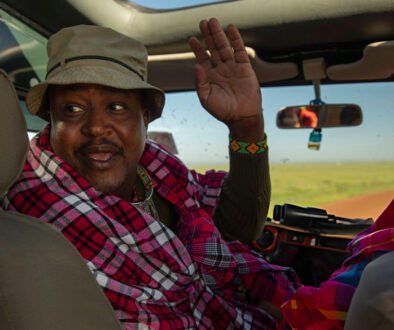
Who does the lodge employ? Are local community members hired and promoted into managerial and guiding roles, or are they confined to low-wage service jobs?
-
What is the animal policy? Is there an absolute zero-tolerance policy against direct physical interaction with habituated wild animals?
-
How are low seasons handled? Does the operator support local village employment during off-peak travel months?