Wildlife Conservation Volunteer Tour in Kenya: Expeditions for Future Scientists
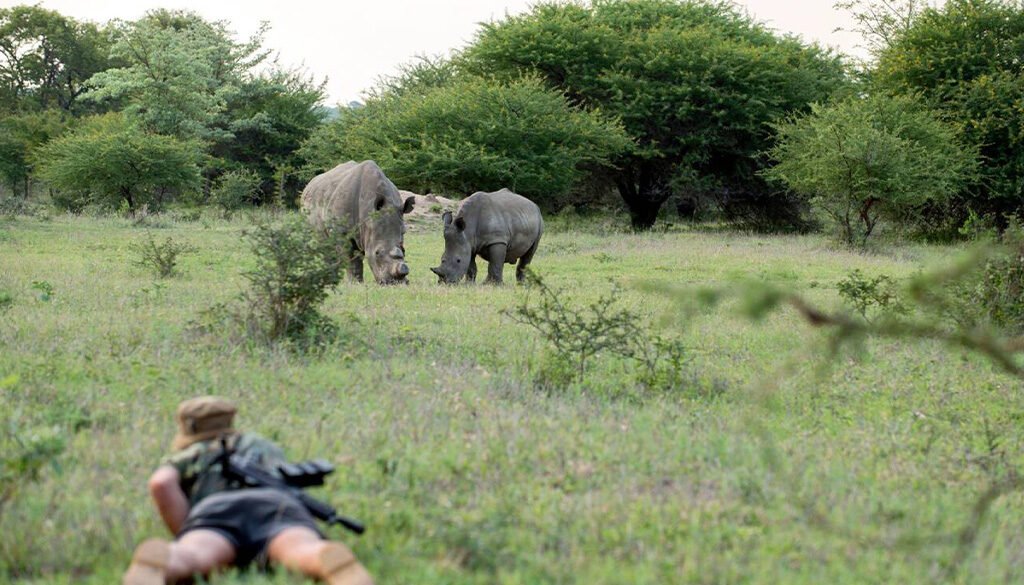
A wildlife conservation volunteer tour in Kenya is far more than an adventurous getaway; it is the ultimate field expedition for future scientists, bridging the gap between academic theory and real-world conservation impact. By placing aspiring researchers side-by-side with leading ecologists, field biologists, and indigenous conservationists, these immersive programs turn the sweeping landscapes of East Africa into an active living laboratory where volunteers gather vital ecological data, protect endangered species, and gain the hands-on skills necessary to lead the scientific community of tomorrow.
1. Authentic Field Research Methodologies in Diverse Ecosystems
From the high-altitude forests of Mount Kenya to the vast grasslands of the Maasai Mara and the rugged wilderness of Laikipia, Kenya harbors some of the most biodiverse habitats on the planet. Yet, these ecosystems face mounting pressures from habitat fragmentation, climate shifts, and human-wildlife overlap. This is where future scientists step in. As a participant in a wildlife conservation volunteer tour in Kenya, your daily routine revolves around genuine field research methodologies.
You might spend your mornings deploying and checking trail camera traps designed to track elusive nocturnal predators like leopards and hyenas. By analyzing these high-resolution images, volunteers assist researchers in mapping territorial ranges, estimating population densities, and identifying individual animals through unique spot patterns or facial markings. This level of practical application reinforces theoretical knowledge learned in university lecture halls.
2. Large Herbivore Tracking and Population Dynamics
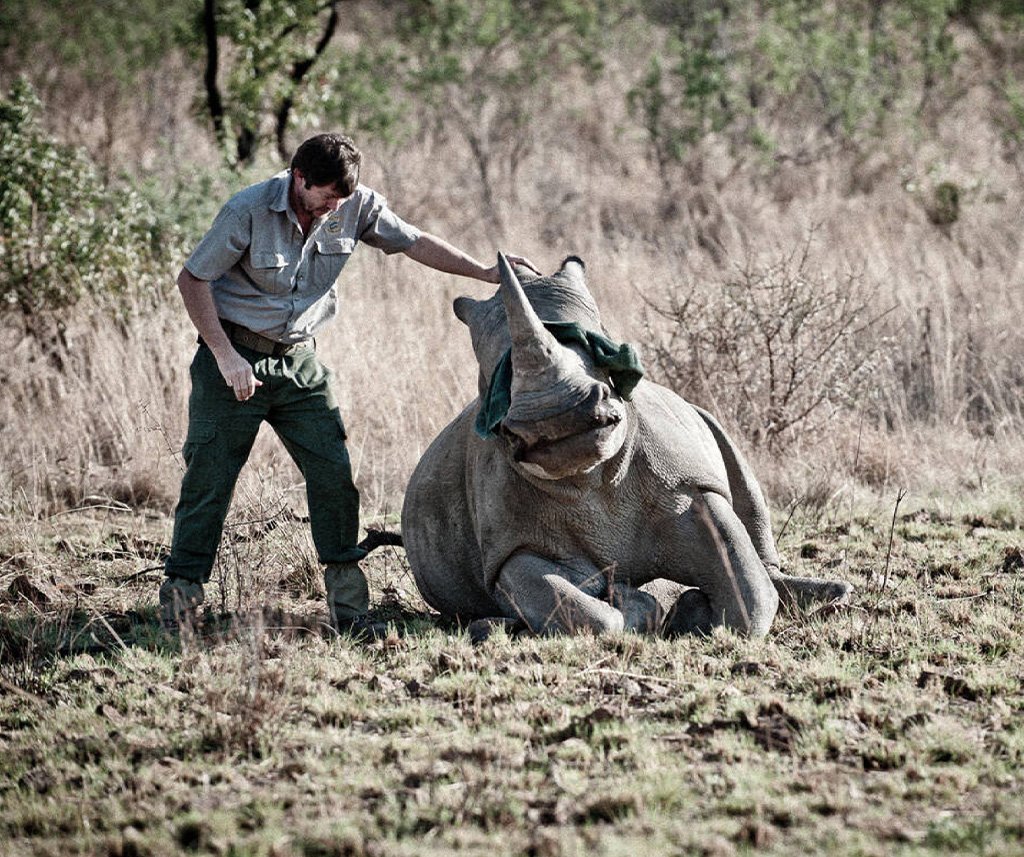
On other days, the field research shifts to giant herbivores. Tracking elephant herds using radio telemetry and GPS mapping allows volunteers to record herd dynamics, migratory corridors, and habitat utilization patterns. Collecting this raw data is critical. The information gathered during a wildlife conservation volunteer tour in Kenya feeds directly into national conservation databases and peer-reviewed studies.
These findings help park management and international organizations make informed, science-based decisions on land preservation and wildlife corridors. Experiencing this pipeline firsthand teaches future scientists the rigor, patience, and adaptability required for authentic field biology—lessons that no textbook can ever fully convey.
3. Holistic Ecosystem Audits and Environmental Monitoring
Beyond tracking macrofauna, joining a wildlife conservation volunteer tour in Kenya immerses volunteers in the foundational layers of ecology:
-
Vegetation Sampling: Measuring canopy density and forage availability.
-
Soil Health Assessments: Evaluating nutrient cycles and erosion levels across grazing zones.
-
Biodiversity Audits: Documenting bird, insect, and small mammal populations.
Understanding how healthy grasslands sustain large grazer populations, or how riverine ecosystems filter water for entire landscapes, provides a holistic perspective on ecosystem management. You learn to read the landscape like a complex, interconnected puzzle, where every insect, plant species, and water source plays a vital role in sustaining iconic African wildlife.
4. Community-Based Conservation and Human-Wildlife Interaction
Equally essential to the journey of a future scientist is understanding the human side of conservation. Modern ecology recognizes that wildlife cannot survive in isolation from the people who share its borders. A wildlife conservation volunteer tour in Kenya places a strong emphasis on community-based conservation initiatives.
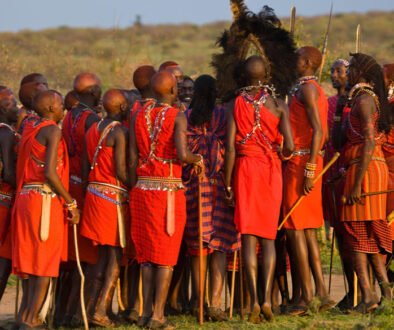
Participants work alongside local Maasai and Samburu communities, learning how traditional ecological knowledge, honed over centuries, merges with modern scientific strategy. You might help construct predator-proof livestock enclosures, known as bomas, which prevent lion attacks on community cattle and dramatically reduce retaliatory killings. Or you might assist in monitoring beehive fences—an ingenious natural deterrent that keeps elephants away from farmer crops while simultaneously producing honey for local families. These experiences teach aspiring scientists that sustainable conservation must benefit both biodiversity and human livelihoods, instilling a deep sense of empathy and socio-ecological awareness that will shape their future research careers.
5. Professional Mentorship from Leading Field Scientists
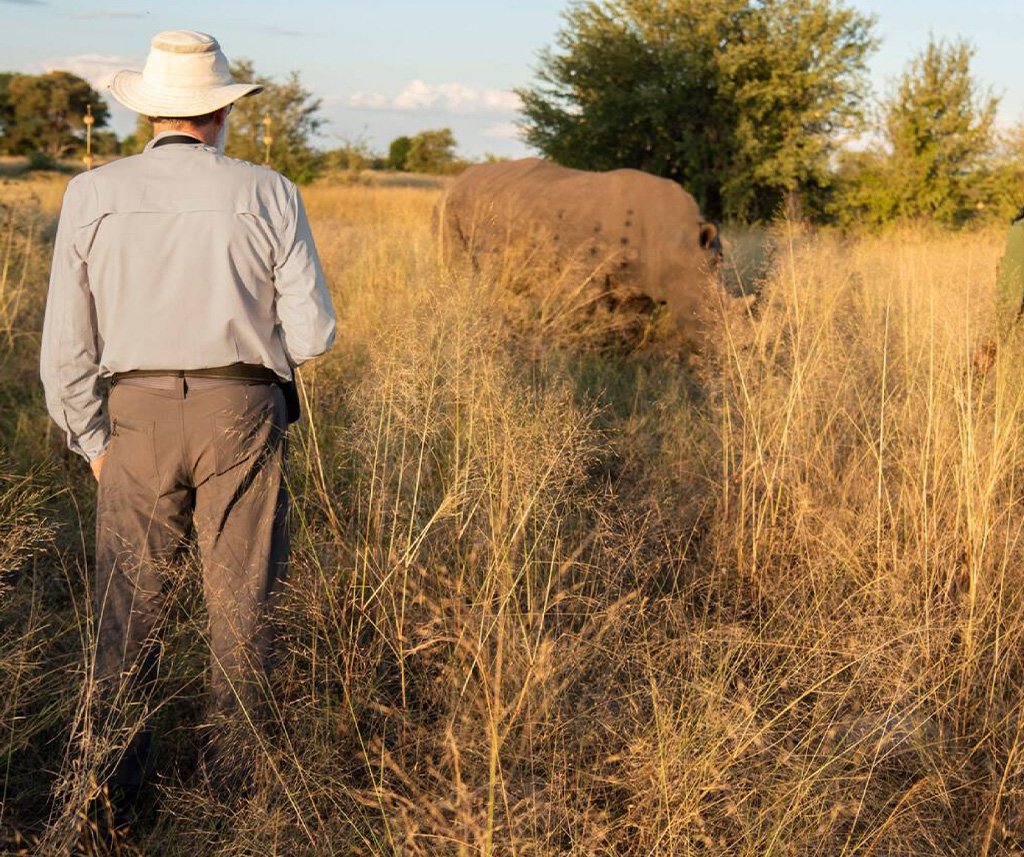
Throughout the expedition, mentorship stands out as one of the most valuable aspects of the experience. Working in close proximity to experienced park rangers, seasoned wildlife biologists, and environmental advocates offers invaluable professional guidance. Evening debriefs around the campfire often turn into masterclasses in conservation policy, scientific methodology, and field survival.
You learn how to log field notes meticulously, how to troubleshoot equipment under challenging environmental conditions, and how to analyze complex data sets in remote conditions. These mentors do not just teach technical skills; they share the reality of working in conservation, offering honest insight into career pathways, academic research, and the resilience needed to tackle global environmental challenges.
6. Personal Growth and Resilience in Remote Environments
The personal growth that occurs during a wildlife conservation volunteer tour in Kenya is just as profound as the academic advancement. Living and working in remote field camps fosters self-reliance, teamwork, and problem-solving skills under unpredictable conditions. Whether navigating rugged terrain in a 4×4 vehicle, adapting to sudden weather shifts, or collaborating with a diverse team of international volunteers, you develop a level of grit and versatility that sets you apart in any scientific field.
7. Tangible Career Advancement for Future Ecologists
As the expedition comes to an end, volunteers return home transformed. You depart not merely with memories of extraordinary safari sights, but with tangible research experience, an expanded professional network, and a profound understanding of ecological systems. You hold the confidence of someone who has tracked wildlife through the bush, contributed to real scientific publications, and witnessed the tangible impact of dedicated conservation work.
For anyone aspiring to study ecology, environmental science, veterinary medicine, or wildlife biology, participating in a wildlife conservation volunteer tour in Kenya is a defining milestone. It turns abstract concepts into living realities and transforms environmental passion into purpose-driven action.