Facts About the Taita African Caecilian
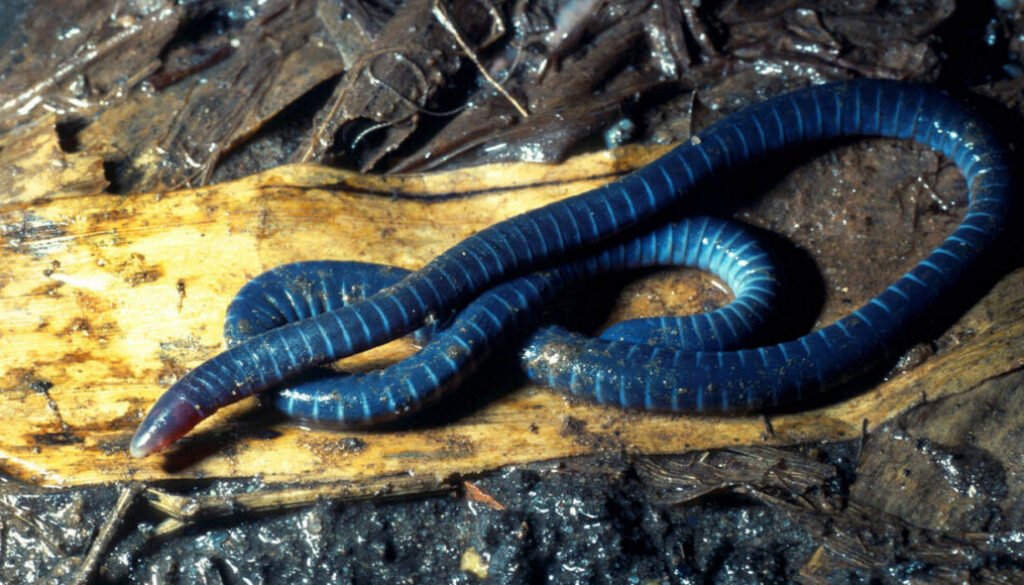
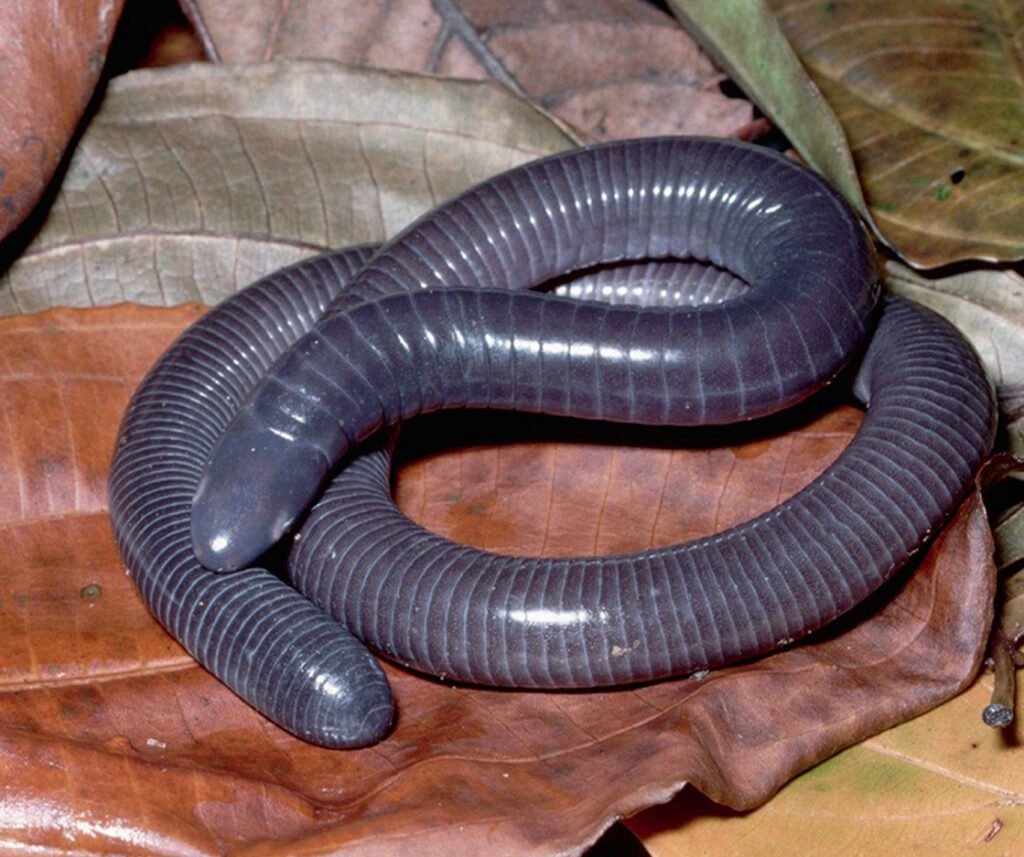
One of the most fundamental facts about the Taita African Caecilian is its classification. Despite its long, cylindrical body and lack of limbs, it is an amphibian. It belongs to the order Gymnophiona, which contains about 200 species of caecilians worldwide. Unlike snakes, they have moist, permeable skin, and unlike worms, they possess a backbone and a complex skull designed for “head-first” burrowing.
Essential Facts About the Taita African Caecilian
-
Common Name: Taita African Caecilian
-
Scientific Name: Boulengerula taitana
-
Type: Amphibian (Gymnophiona)
-
Diet: Earthworms, termites, and soil macro-invertebrates
-
Average Life Span in the Wild: Estimated 5–10 years in the wild
-
Size (Head and body): 20 to 35 cm (Head and body)
-
Weight: 10 to 30 grams
The Taita Hills: A Fragile Home
This species is endemic to a very small geographical area: the Taita Hills in southeastern Kenya. These hills are part of the Eastern Arc Mountains, an “Afromontane” region known for incredibly high levels of biodiversity. Because they are found nowhere else on Earth, their survival is inextricably linked to the health of these specific high-altitude forests.
Evolutionary Loss of Sight
Living in total darkness underground means eyes are more of a liability than an asset. Over millions of years, the Taita African Caecilian has evolved to have extremely reduced eyes that are covered by bone or thick skin. While they can likely distinguish between light and dark, they rely on other senses to navigate their murky world.
Specialized Sensory Tentacles
Since they cannot see their prey, how do they hunt? These caecilians possess a pair of unique, retractable sensory tentacles located between their eyes and nostrils. These organs allow them to “smell” or chemically sense their surroundings with incredible precision, helping them locate a worm or a termite in complete darkness.
Maternal Dermatophagy: A Gruesome Sacrifice
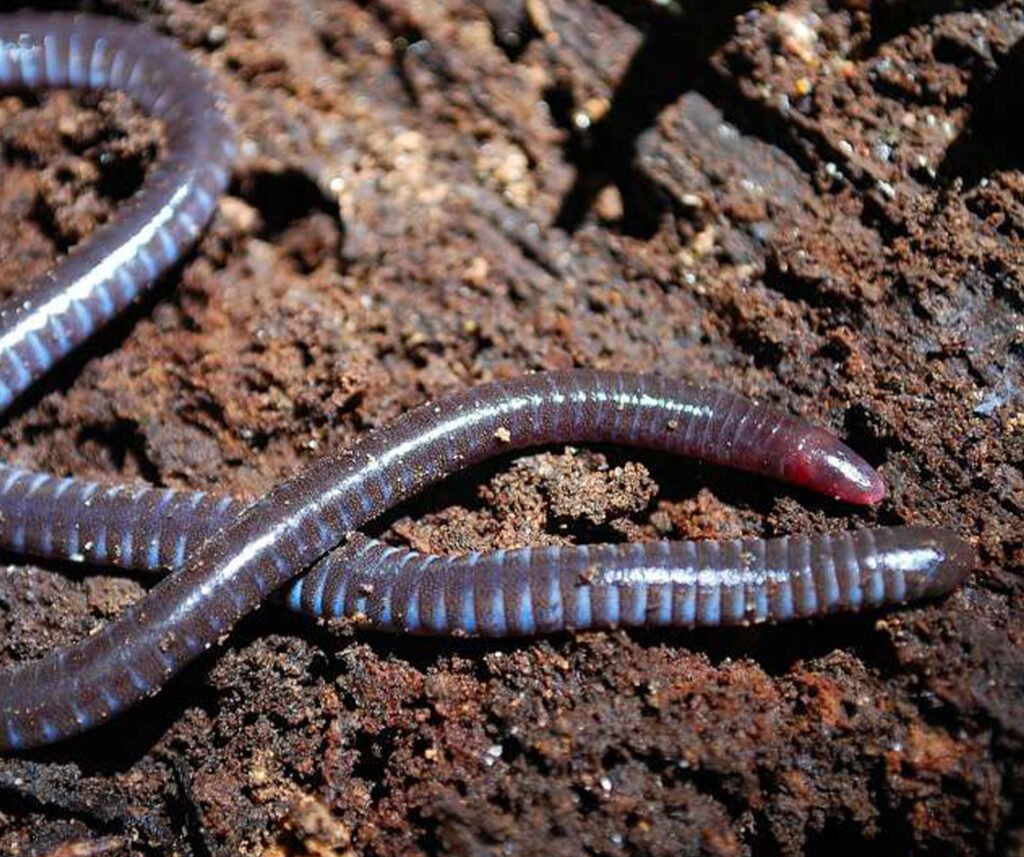
Perhaps the most shocking of all facts about the Taita African Caecilian is how they feed their young. This species practices “maternal dermatophagy.” After the offspring hatch, they are equipped with specialized “peel-off” teeth. The mother grows a thick, nutrient-rich outer layer of skin, which the babies then proceed to scrape off and eat. This skin is packed with fats and proteins, allowing the young to grow at an incredible rate while the mother remains guarding them.
Subterranean Engineers
The anatomy of the Taita African Caecilian is built for power. Their skulls are heavily ossified (bony) and pointed, acting like a biological drill bit. By bracing their bodies against the tunnel walls, they can exert significant force to push through compacted volcanic soil, creating intricate tunnel networks that help aerate the forest floor.
A Diet of Underground Giants
While they are small, they are fierce predators in the world of soil. They primarily feed on earthworms, which can sometimes be nearly as long as the caecilian itself. They also consume termites and dipteran larvae. By keeping these invertebrate populations in check, they play a vital role in the nutrient cycling of the Taita Hills ecosystem.
Breathing Through Their Skin
Like many amphibians, caecilians have lungs, but they also perform gas exchange through their skin. This cutaneous respiration requires their skin to remain moist. If the soil becomes too dry due to deforestation or climate change, the caecilian can quickly dehydrate and suffocate, making them highly sensitive to environmental shifts.
Hidden Colors
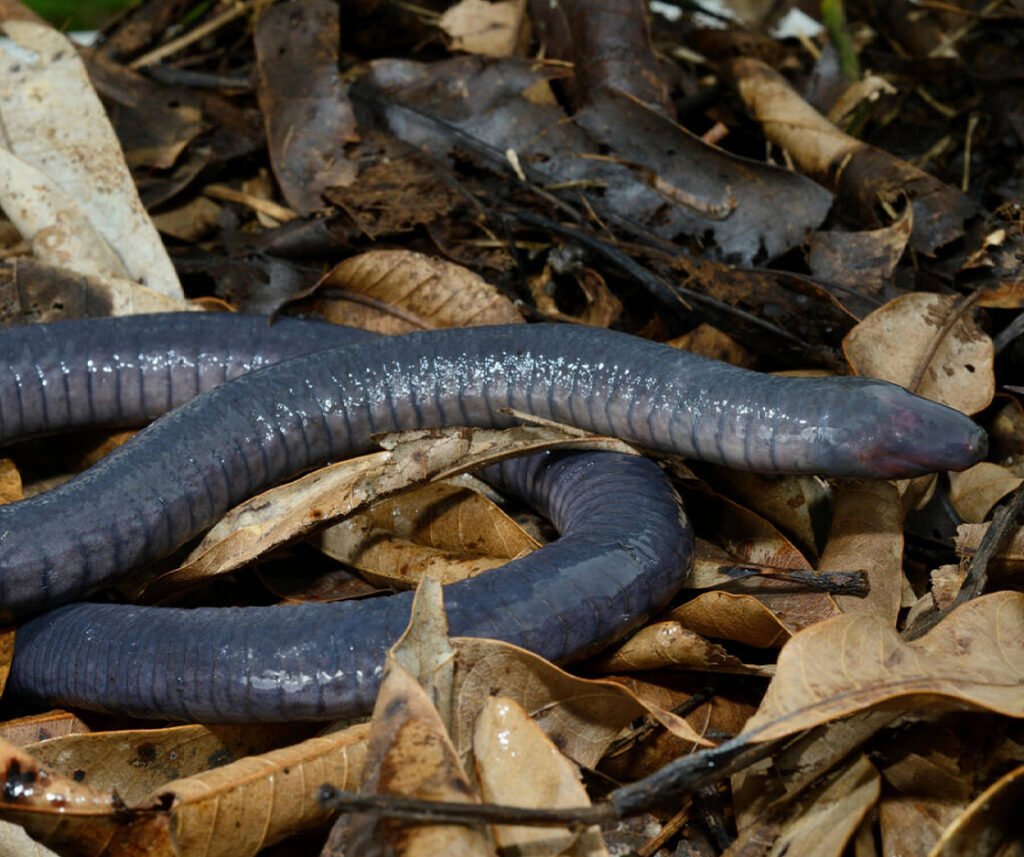
While many caecilians are a dull grey or black, the Taita African Caecilian often displays a beautiful, subdued bluish-grey or even a purplish hue. This coloration is rarely seen by humans, as the creatures only surface during heavy rains or when farmers turn over the soil in their small-scale vegetable plots.
Threat of Habitat Fragmentation
The primary threat to these fascinating creatures is the loss of indigenous forest. As the Taita Hills are heavily populated, much of the native forest has been converted into exotic pine or eucalyptus plantations, or cleared for agriculture. These changes alter the soil chemistry and moisture levels, which are lethal to the caecilian.
The Role of Indigenous Knowledge
Interestingly, local communities in the Taita Hills have long been aware of these “snakelike worms.” While they are sometimes feared, conservation efforts are now working to educate residents on the importance of the Taita African Caecilian as a sign of healthy, fertile soil. Protecting them often means protecting the water towers that the human population relies on.
A Living Fossil
The lineage of caecilians dates back hundreds of millions of years. Looking at the facts about the Taita African Caecilian, we see a blueprint of survival that has remained largely unchanged since the time of the dinosaurs. They represent a branch of the tree of life that chose a hidden path, succeeding in the shadows while other species rose and fell.