Facts About the Hairy Frog
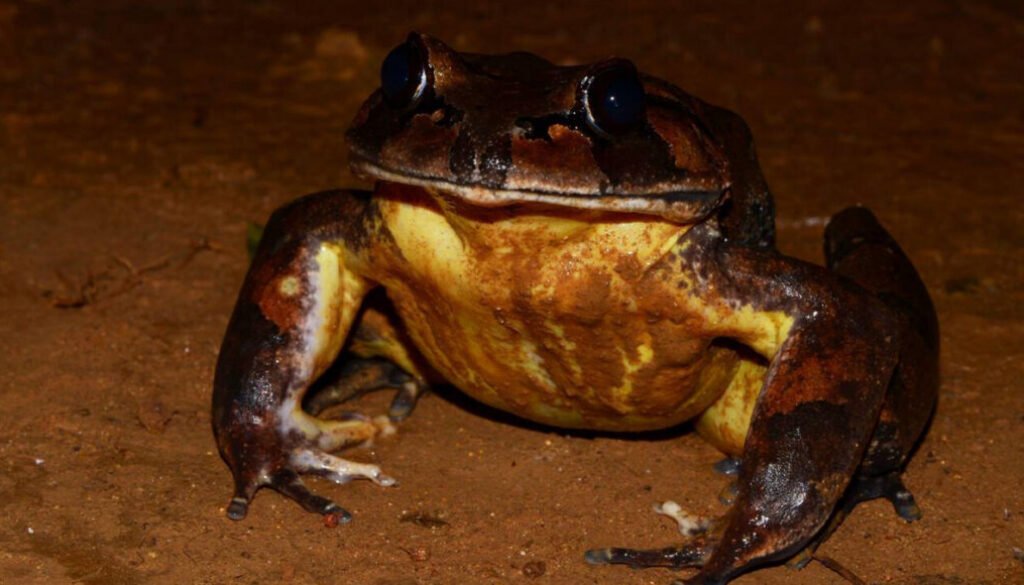
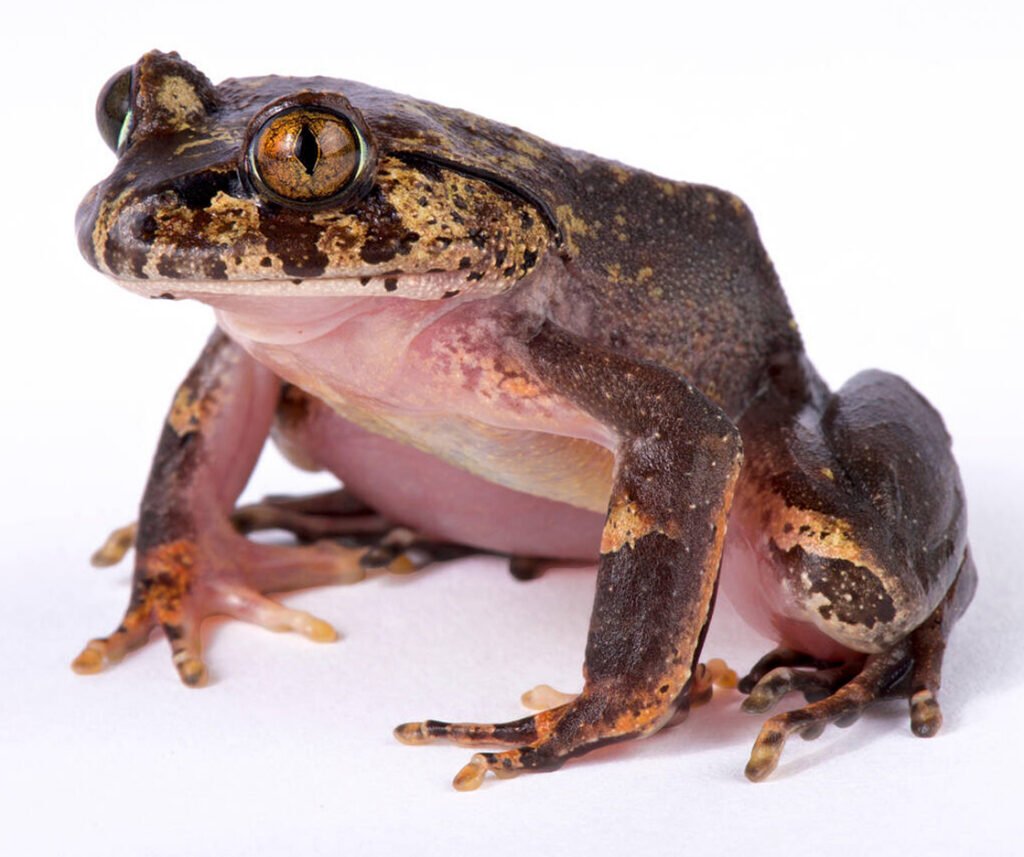
One of the most striking facts about the Hairy Frog is that it isn’t actually hairy. Real hair is a mammalian trait made of keratin. In the case of Trichobatrachus robustus, these “hairs” are actually dermal papillae—thin, vascularized strands of skin that grow on the thighs and flanks of the males during the breeding season.
Why does a frog need skin that looks like fur? Scientists believe these structures function similarly to external gills. Because the males spend long periods underwater guarding the eggs laid by females, they need extra oxygen. The “hair” increases the surface area of the skin, allowing the frog to absorb more oxygen directly from the water, which is essential since their lungs are relatively small and inefficient for long-term submersion
Essential Facts About the Hairy Frog
-
Common Name: Hairy Frog (also Wolverine Frog or Horror Frog)
-
Scientific Name: Trichobatrachus robustus
-
Type: Amphibian
-
Diet: Carnivore (Insects, spiders, mollusks, and small frogs)
-
Average Life Span in the Wild: Estimated 5 to 10 years in the wild
-
Size (Head and Body): 10 cm to 13 cm (Head and body)
-
Weight: Approximately 60 g to 80 grams
The “Wolverine” Defense Mechanism
Perhaps the most shocking of all facts about the Hairy Frog is its unique defense system. When threatened, this frog can intentionally break its own toe bones. These broken bones then pierce through the skin of its toe pads to act as sharp, curved claws.
This behavior is unique in the animal kingdom. Unlike a cat, which has a sheath for its claws, the Hairy Frog must physically rupture its own tissue to deploy its weapons. Researchers believe that once the threat has passed and the muscles relax, the bone retracts, and the damaged skin eventually heals over. It is a gruesome but incredibly effective way to deter predators like snakes or birds.
Evolutionary Significance
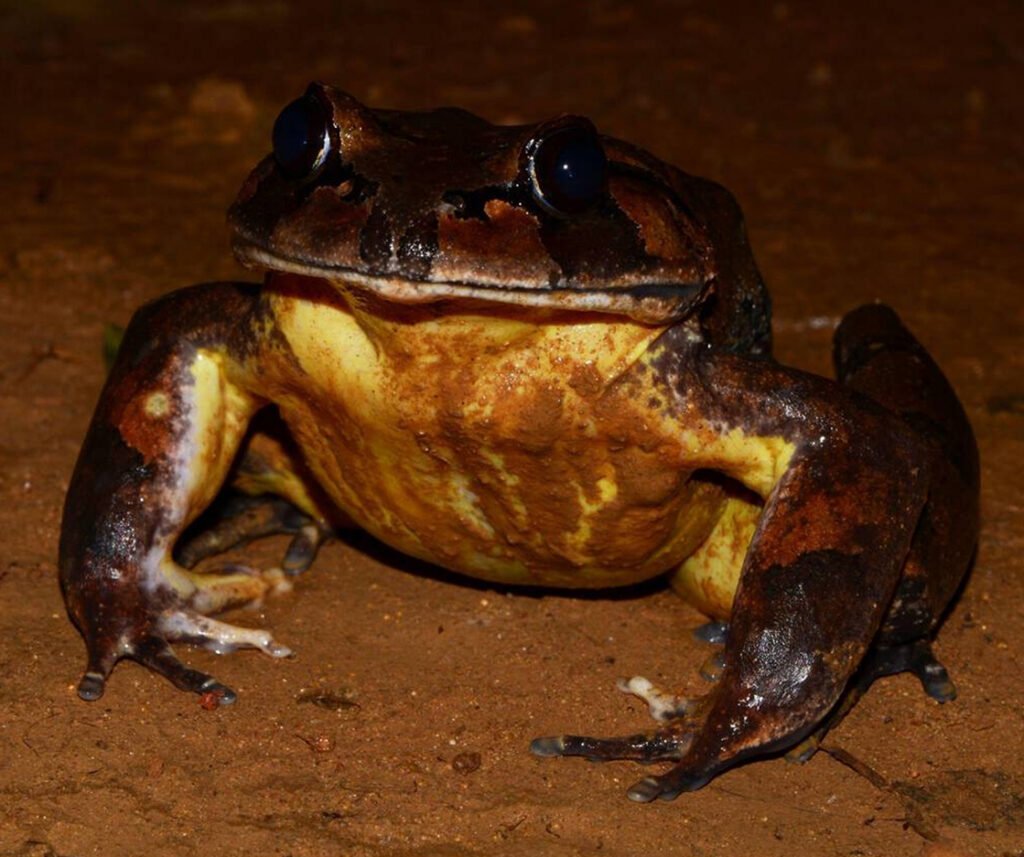
When studying facts about the Hairy Frog, we see a masterclass in adaptation. The transition from water to land is a hurdle for all amphibians, but this species has developed a “dual-purpose” anatomy. The males’ temporary respiratory “hair” allows them to fulfill parental duties underwater, while their retractable bone claws give them a fighting chance on land.
The species belongs to the family Arthroleptidae, commonly known as screeching frogs. While they may not be the most melodic creatures in the forest, their survival tactics are among the most sophisticated in the world of herpetology.
Conservation Status
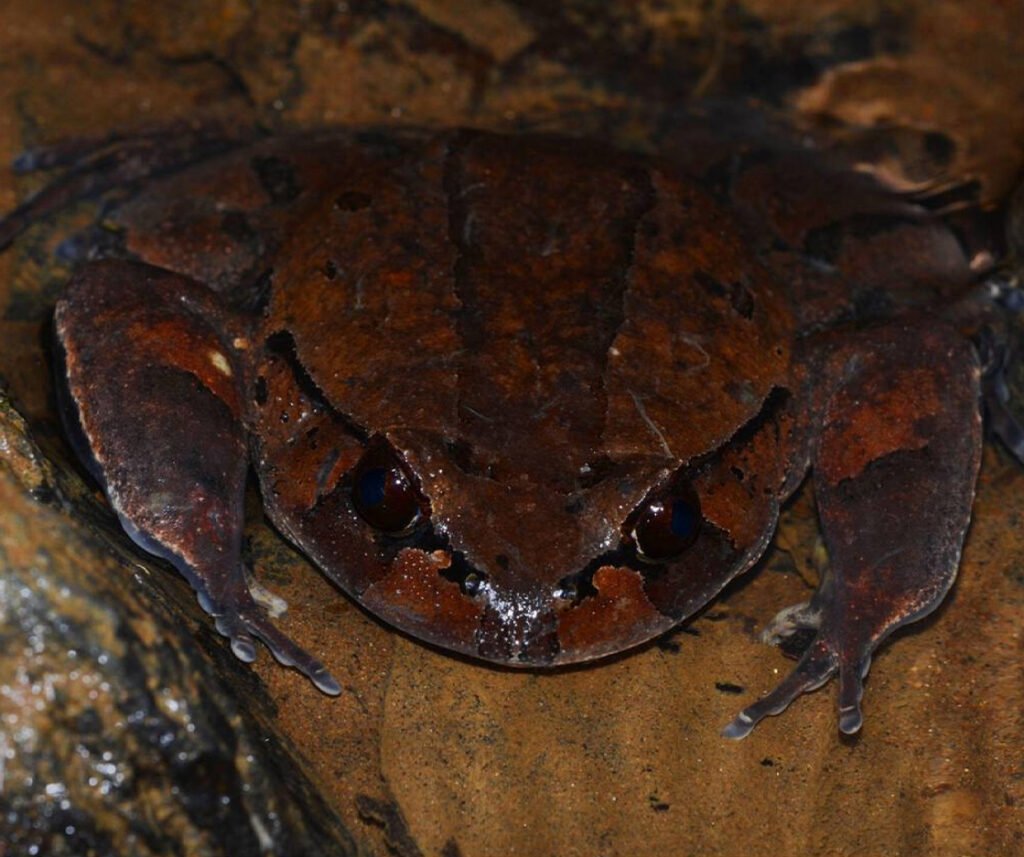
Currently, the Hairy Frog is listed as Least Concern by the IUCN, but that doesn’t mean they are entirely safe. Habitat loss due to deforestation, water pollution from mining, and the local bushmeat trade are growing threats. In some regions of Cameroon, they are hunted and roasted for food, which can lead to localized population declines.
Furthermore, like many amphibians globally, they are potentially susceptible to the chytrid fungus, a devastating skin disease that has wiped out numerous frog species. Monitoring their populations in the dense African rainforests remains a challenge for researchers.
Cultural Perception
To the local communities where the Hairy Frog resides, it is a well-known neighbor. Interestingly, some traditional beliefs surround the frog due to its “hairy” appearance and “claws.” While western science only documented the claw mechanism in the early 20th century, local hunters had known about the frog’s “kick” and sharp toes for generations.