Facts About the Goliath Frog
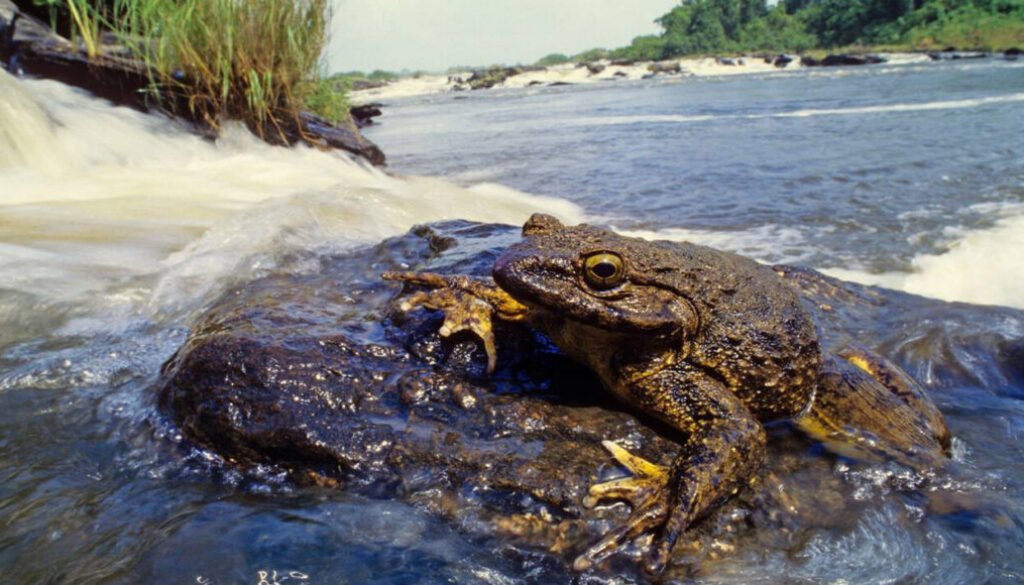
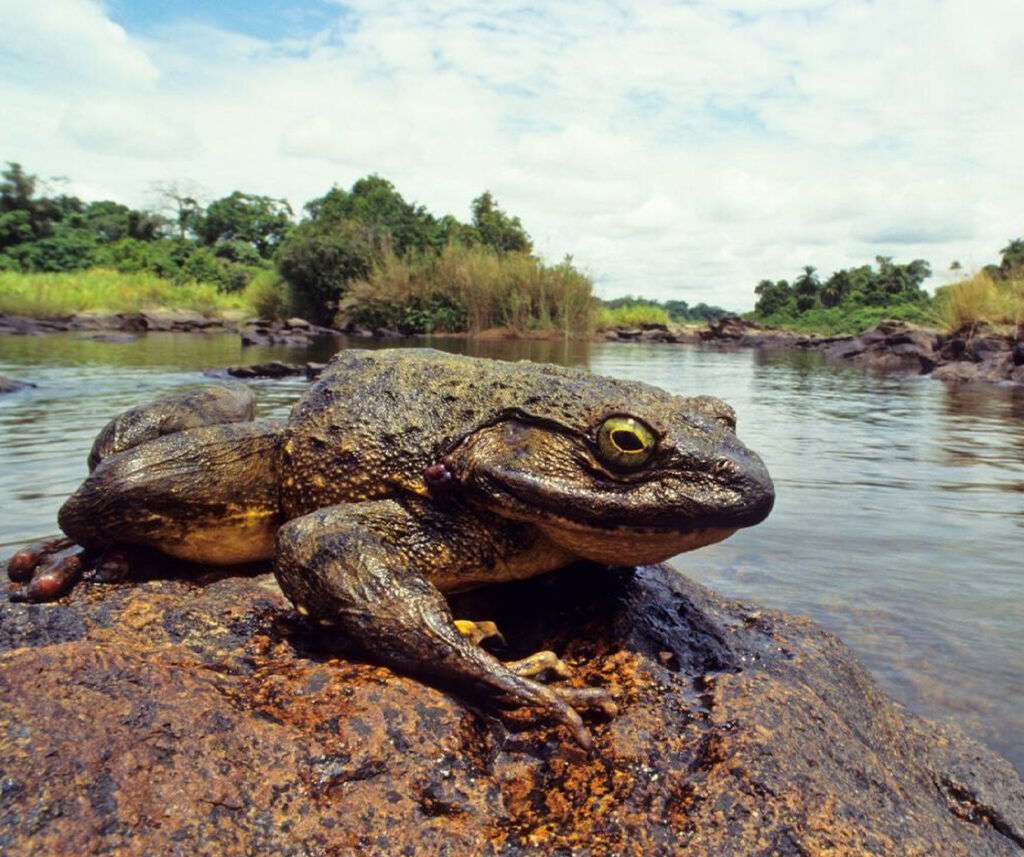
The most obvious of all facts about the Goliath Frog is its sheer scale. Growing to the size of a well-fed house cat, it is the largest living frog on Earth. If you were to stretch out its powerful hind legs, this frog can measure over 2.5 feet in total length. Imagine a frog that weighs as much as a small bowling ball—that is the reality of the Conraua goliath.
Essential Facts About the Goliath Frog
-
Common Name: Goliath frog
-
Scientific Name: Conraua goliath
-
Type: Amphibian
-
Diet: Carnivore (Insects, crustaceans, fish, and smaller amphibians)
-
Average Life Span in the Wild: Up to 15 years
-
Size (Head and Body): 12.5 inches (32 cm)
-
Weight: Up to 7.2 pounds (3.3 kg)
Specialized Habitats
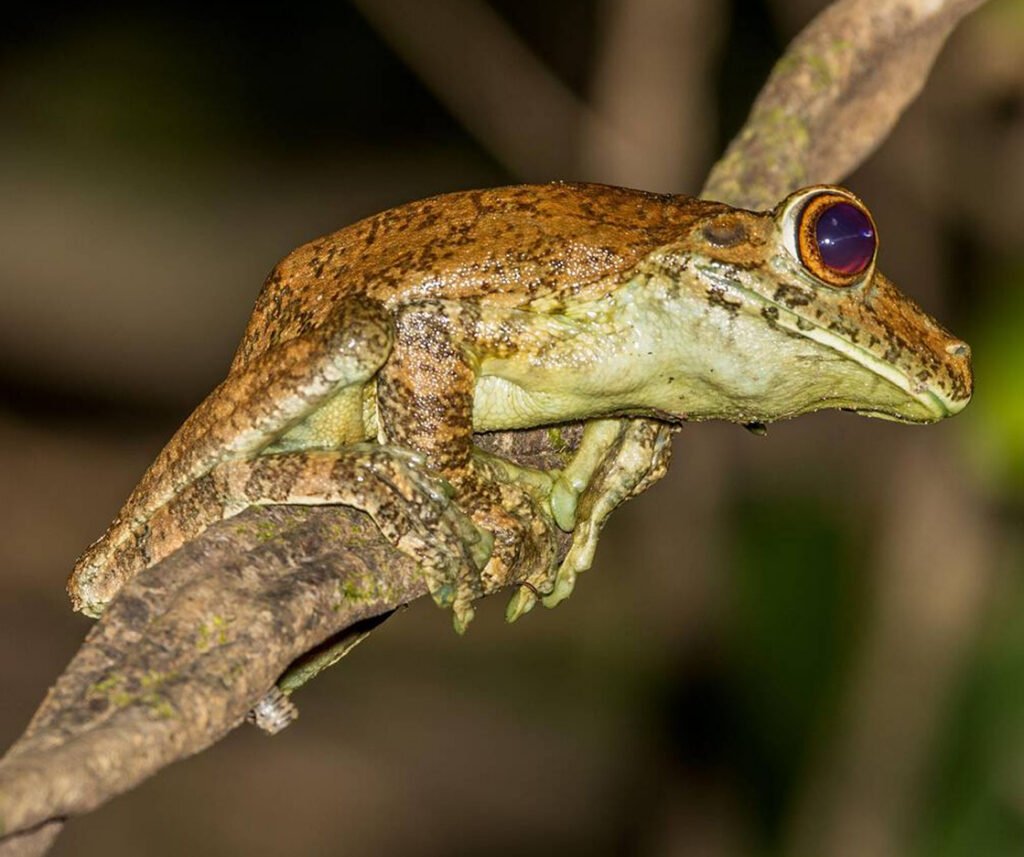
These giants are surprisingly picky about their real estate. They are found only in a relatively small range in Equatorial Guinea and Cameroon. They don’t just live in any puddle; they require clean, high-oxygen water found near fast-flowing rivers and waterfalls. This specific need makes them highly vulnerable to water pollution and habitat disruption.
The “Mute” Giant
Most frogs are famous for their evening choruses of croaks, peeps, and ribbits. However, one of the more surprising facts about the Goliath Frog is that it is completely voiceless. Because they lack a vocal sac, they cannot produce the traditional mating calls we associate with frogs. Instead, they rely on their physical presence and perhaps some subtle sounds, though they are largely silent observers of their river homes.
Olympic-Level Leapers
Despite their bulk, these frogs are not sluggish. Their massive, muscular back legs allow them to leap distances of up to 10 feet (3 meters) in a single bound. This explosive power is their primary defense mechanism, allowing them to catapult themselves from a riverbank into the safety of deep water the moment they sense a predator.
They Are Master Architects
When it comes to parenting, the Goliath frog goes above and beyond. Researchers have observed them moving heavy rocks—sometimes weighing over 4 pounds—to create “nesting pools” along riverbanks. By clearing a space and building a stone dam, they create a private, calm nursery for their tadpoles, protected from the rushing current of the main river.
A Diverse and Voracious Diet
Being the biggest frog on the block means you need a lot of fuel. While young frogs stick to aquatic plants, the adults are formidable hunters. Their diet consists of insects, spiders, and crabs, but they aren’t afraid to go after bigger prey. There have even been reports of Goliath frogs consuming small birds, bats, and other frogs. If it fits in their mouth and moves, it’s likely on the menu.
Giant Babies (Sort of)
You might expect a giant frog to produce giant tadpoles. Surprisingly, the Goliath frog starts life at a very standard size. Their eggs are about the size of a pea, and the resulting tadpoles are no larger than those of much smaller frog species. It is only after metamorphosis that they begin their rapid, massive growth spurt to reach their “Goliath” status.
Ancient Lineage
The Goliath frog belongs to an ancient group of amphibians. Studying them provides scientists with a window into the evolutionary history of West Africa. Because they have remained relatively unchanged for millions of years, they are often referred to by biologists as “living fossils.”
They Face Significant Threats
Unfortunately, being large makes you a target. These frogs are heavily hunted by local populations for food, as a single frog provides a significant amount of protein. Additionally, they are frequently captured for the exotic pet trade. Combined with the deforestation of the African rainforests, their numbers are in a steady decline, leading the IUCN to list them as Endangered.
Thermal Regulators
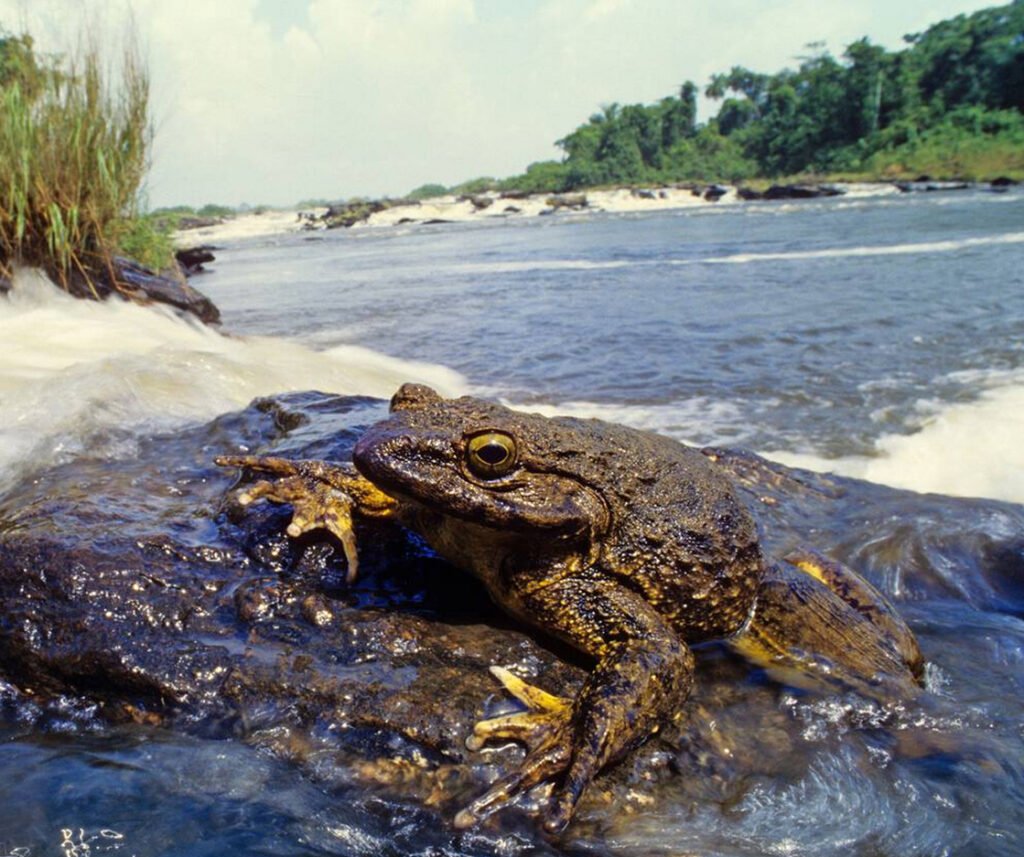
Like all amphibians, Goliath frogs are ectothermic (cold-blooded). They spend much of their day perched on wet rocks near waterfalls, using the mist to keep their skin moist and the sun to regulate their body temperature. Their skin is mottled and green-brown, providing perfect camouflage against the mossy rocks of their environment.