Facts About the Jackson’s Widowbird
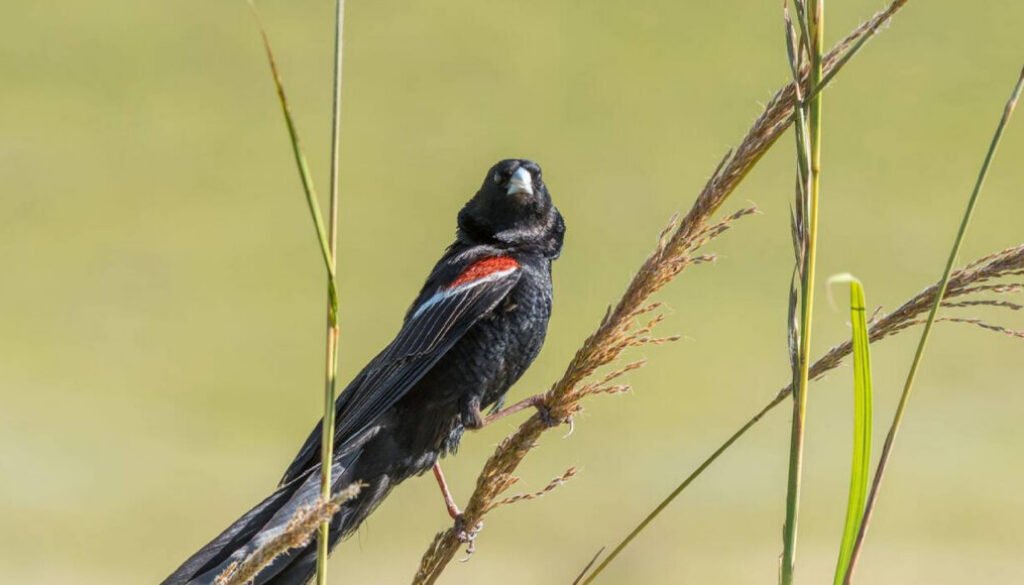
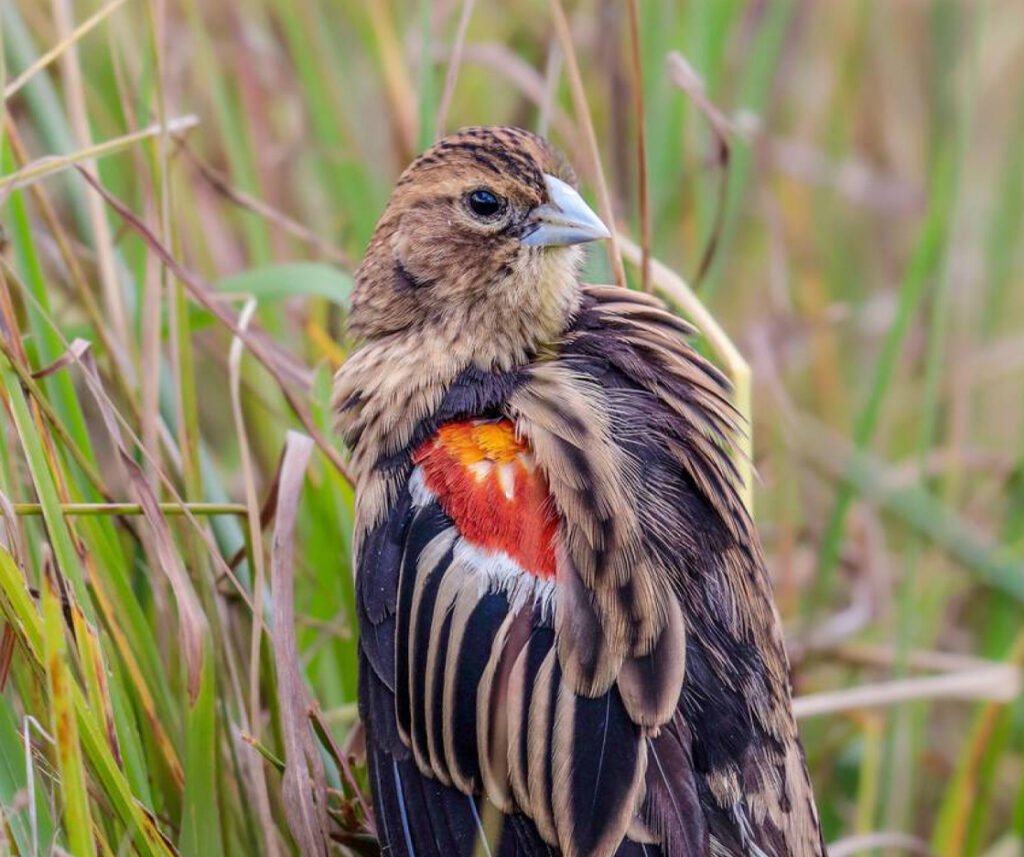
One of the most striking facts about the Jackson’s Widowbird is the extreme difference between males and females, a trait known as sexual dimorphism. For most of the year, both sexes look remarkably similar to common sparrows—streaky brown, buff, and relatively inconspicuous. This “eclipse” plumage allows them to blend into the dry grasses and avoid predators.
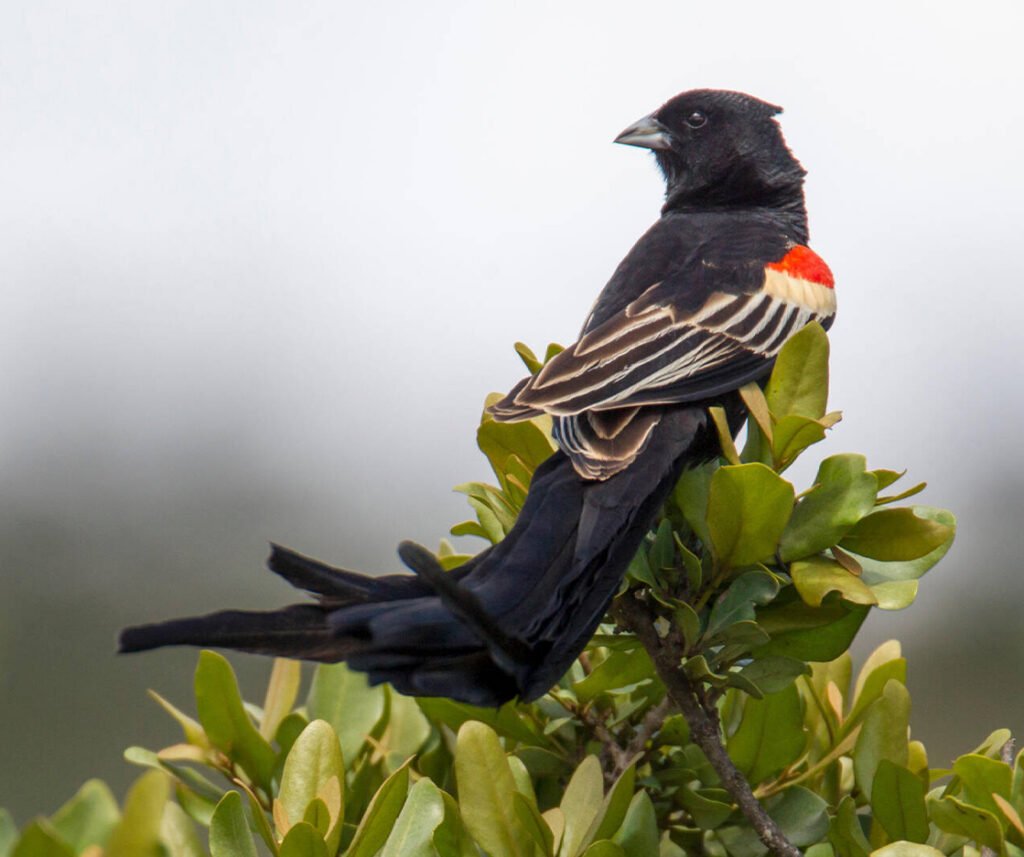
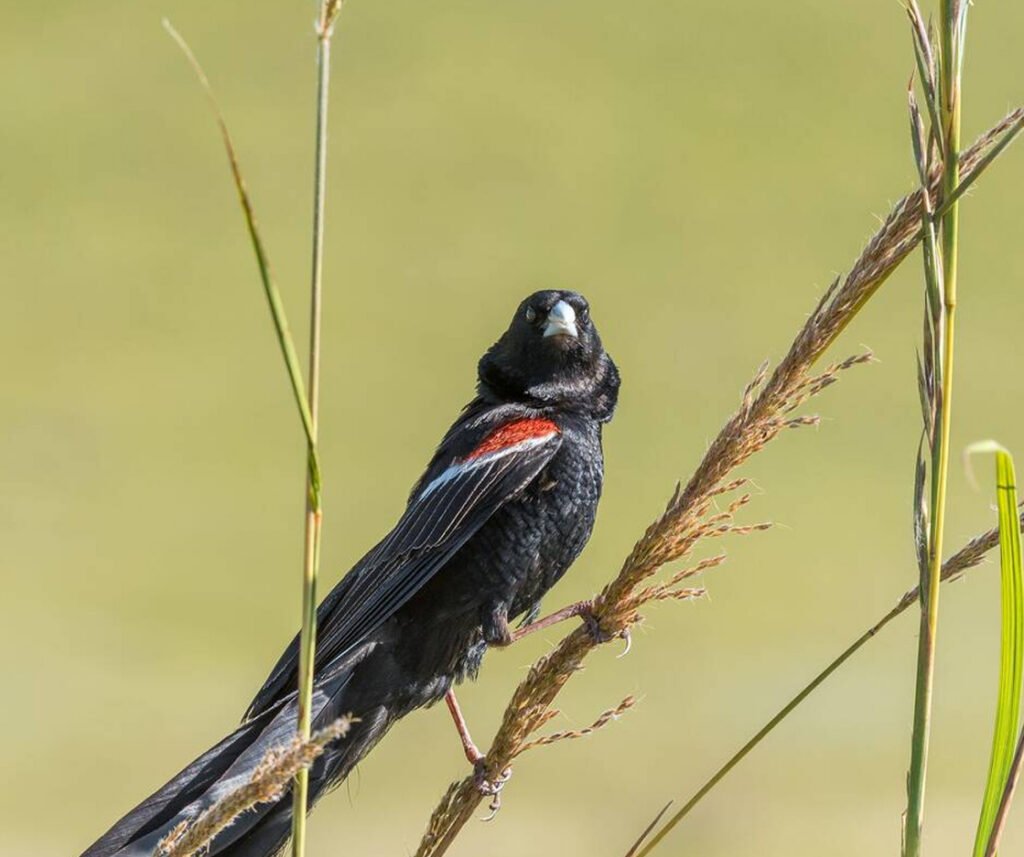
However, when the breeding season arrives, the males undergo a radical transformation. They develop jet-black plumage with a deep, velvety sheen. Their most famous feature is the magnificent, decurved tail that can reach up to 8 inches in length. This tail is not just for show; it is a heavy, aerodynamic challenge that the male must carry while performing his signature “jump” to attract a mate.
Essential Facts About the Jackson’s Widowbird
- Common Name: Jackson’s Widowbird
-
Scientific Name: Euplectes jacksoni
-
Type: Bird
-
Diet: Herbivore (primarily seeds and grain)
-
Average Life Span in the Wild: Approximately 5 to 8 years
-
Size (Head and Body): 14 to 30 cm (Males with tail)
-
Weight: 40 to 50 grams
The Dance of the Grasslands
If you seek the most fascinating facts about the Jackson’s Widowbird, you must look at their lekking behavior. Unlike many birds that form pair bonds, Jackson’s Widowbirds use a “lek” system. Males congregate in a specific area and create “dance rings” by clipping the grass short in a circular pattern, usually leaving a small tuft of tall grass in the center.
The male stands at his ring and performs a repetitive, vertical jump, often reaching over 2 feet into the air. While jumping, he arches his long tail over his back and expands his neck feathers into a ruff. This display serves two purposes:
-
Visibility: It allows females to spot him over the tall highland grasses.
-
Fitness Signaling: The height and endurance of the jumps signal to the female that the male is healthy and possesses superior genes.
Habitat and Range
The Jackson’s Widowbird is a specialist of the East African montane grasslands. You will typically find them at elevations between 1,500 and 3,000 meters. Their range is relatively restricted, centering on the Kenyan highlands and the Ngorongoro Conservation Area in Tanzania.
Because they rely on specific grass heights for their displays and nesting, they are highly sensitive to land-use changes. Overgrazing by livestock or the conversion of grasslands into agricultural plots can destroy the delicate “dance floors” these birds require to reproduce.
Diet and Foraging Habits
While the males are famous for their vanity, their survival depends on a rugged diet. These birds are primarily granivores, meaning they eat seeds. During the dry season, they forage in large flocks, often mixing with other species of weavers and bishops.
When the rains arrive and the breeding season begins, their diet expands to include insects like termites and grasshoppers. This protein boost is essential for the males, who expend an incredible amount of energy jumping for hours on end, and for the females, who must produce eggs and feed their young.
Nesting and Social Structure
The social life of the Jackson’s Widowbird is anything but traditional. The species is polygynous, meaning one successful male may mate with several females who visit his dance ring.
Interestingly, the male provides no parental care. Once the mating occurs at the lek, the female departs to build a nest in the tall grass nearby. She weaves a sturdy, domed structure with a side entrance. She incubates the eggs (usually two to four) and raises the chicks entirely on her own. This allows the male to remain at his ring, continuing his display to attract more mates throughout the season.
Conservation Status
Currently, the Jackson’s Widowbird is classified as Near Threatened by the IUCN. While they are still locally common in protected areas like the Maasai Mara or the Kinangop Plateau, their habitat is shrinking. The primary threats include:
-
Agricultural Expansion: Turning natural grasslands into wheat or corn fields.
-
Climate Change: Shifting rainfall patterns affect the growth of the specific grasses they use for nesting.
-
Livestock Competition: Cattle grazing often leaves the grass too short for the birds to create their ceremonial rings.
Understanding these facts about the Jackson’s Widowbird highlights the importance of preserving the unique “cloud forests” and high-altitude plains of East Africa. They are not just birds; they are indicators of a healthy, functioning grassland ecosystem.