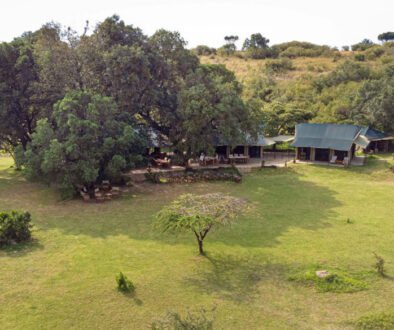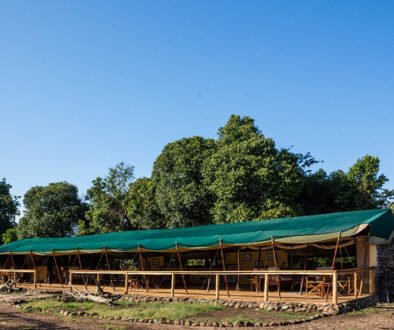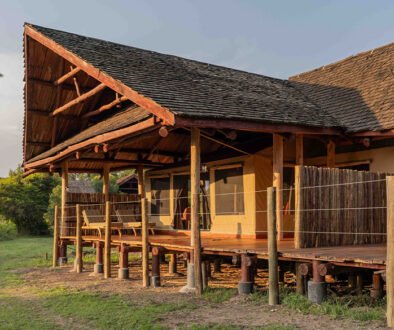
Elephant Pepper Camp: Designed to Evoke the “Golden Age” of Safari
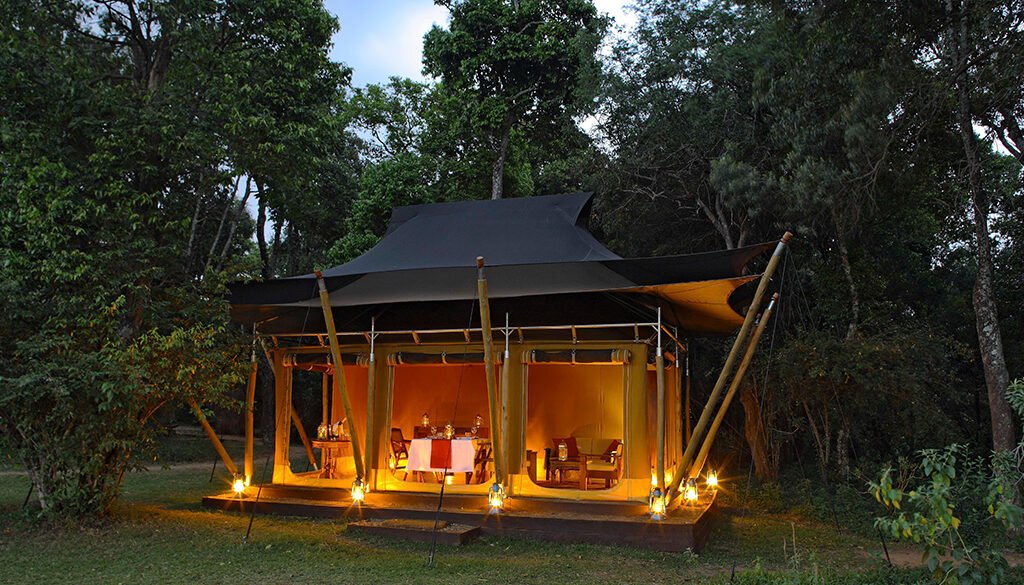
The Elephant Pepper Camp offers something that large lodges simply cannot: silence. At night, there are no buzzing generators or city lights—just the sound of a lion’s rasping roar or the cackle of a hyena. It is a place where you can disconnect from the digital world and reconnect with the ancient rhythms of Africa.
Whether you are watching the sunrise from your private hammock or sharing stories around the communal campfire, the camp provides an intimacy with the wild that stays with you long after you leave. The combination of expert guiding, luxurious “glamping,” and a deep-rooted mission to protect the Mara makes Elephant Pepper Camp a bucket-list destination for any serious traveler.
Quick Facts: Elephant Pepper Camp at a Glance
Category | Details |
Location | Mara North Conservancy (MNC), Masai Mara, Kenya |
Accommodation | 8 Luxury Tents & 2 Family/Honeymoon Suites |
Sustainability | Gold-level Eco-Rating, 100% Solar Powered |
Primary Wildlife | The Big Five, Great Migration, 450+ Bird Species |
Unique Feature | Non-permanent structure (No cement used) |
Activities | Game drives, night drives, guided bush walks |
Luxury Tented Accommodation
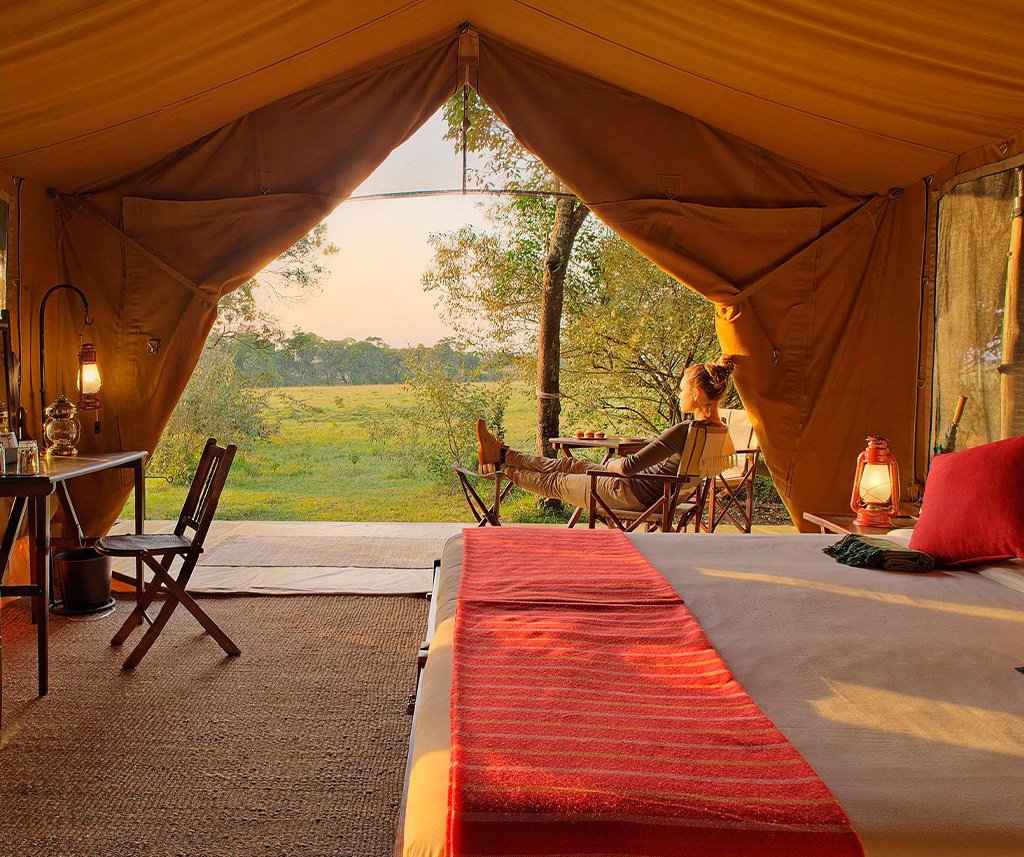
The Elephant Pepper Camp experience is designed to evoke the “golden age” of safari. The accommodation consists of spacious, light-filled safari tents that balance rustic charm with modern luxury.
-
Design: Each tent features dark wood furniture, brass fittings, and traditional Indian Raj Campaign aesthetics.
-
En-suite Facilities: You won’t find pit latrines here. Every tent is equipped with flushing toilets and “safari showers” with hot and cold running water.
-
The Suites: For those on a romantic getaway or traveling with children, the honeymoon and family suites offer 80 square meters of space, including private campfire areas and extended verandahs for private dining.
A Legacy of Sustainability
One of the most impressive aspects of Elephant Pepper Camp is its commitment to the earth. It is one of only a handful of camps in Kenya to hold a Gold Level Eco-Rating from Ecotourism Kenya.
-
Minimal Footprint: The camp was built without a single bag of cement. If the camp were moved tomorrow, the land would return to its natural state within a single rainy season.
-
Green Energy: The entire operation is powered by solar energy, and all waste is meticulously managed.
-
Community Core: The camp was a founding member of the Mara North Conservancy, ensuring that local Maasai landowners receive direct financial benefits from tourism, fostering a harmonious balance between wildlife and pastoralism.
Primary Wildlife and the Great Migration
Wildlife is the heartbeat of Elephant Pepper Camp. Because it is located in a wildlife hotspot, guests often see elephants, giraffes, and zebras wandering right through the camp grounds.
-
The Big Five: Lion, leopard, elephant, buffalo, and the rare rhino are all residents of the area.
-
The Migration: From July to October, the camp serves as a front-row seat for the Great Migration. Millions of wildebeest and zebras traverse the plains, pursued by the Mara’s famous predator populations.
-
Nocturnal Life: Because it is a private conservancy, the camp can offer night game drives. This allows guests to see elusive creatures like aardvarks, civets, and honey badgers that are rarely spotted during the day.
The Unique Feature: The “Elephant Pepper” Tree
The camp takes its name from the Warburgia salutaris, or the “Elephant Pepper” tree. These trees are famous for their spicy, peppery bark and leaves, which have numerous medicinal properties. Elephants are particularly fond of them—not just for food, but for the “kick” the spicy bark provides. Staying under the shade of these specific trees creates a sensory experience unique to this specific coordinate in the Mara.
Exhilarating Safari Activities
A day at Elephant Pepper Camp is structured around the rhythms of the wild.
-
Guided Bush Walks: Leaving the vehicle behind allows you to notice the “Little Five” and learn about Maasai tracking techniques and medicinal plants.
-
Cultural Visits: Guests can visit local Maasai manyattas (homesteads) to learn about the culture and support local artisans.
-
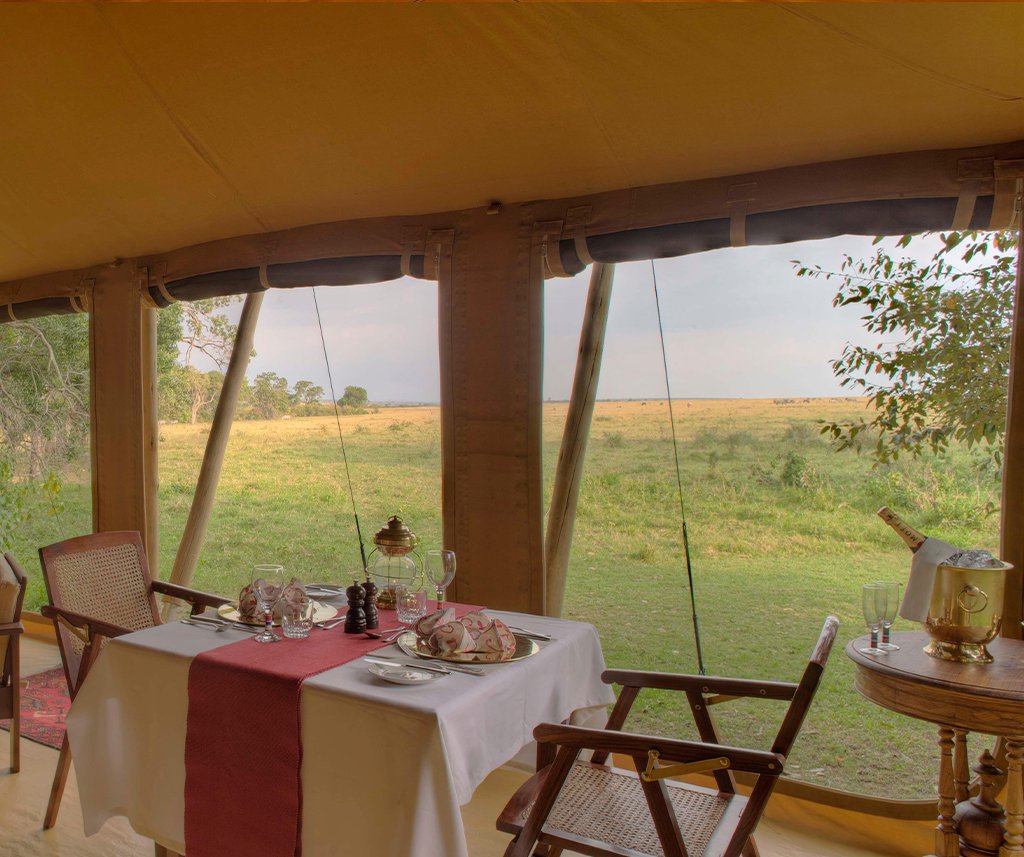
Bush Dining: From sunrise breakfasts in the middle of the savannah to “sundowners” overlooking the plains, the culinary experience is deeply integrated into the landscape.
-
Kid’s Club: The camp is exceptionally family-friendly, offering specialized programs where children can learn to fire traditional bows and arrows or cast animal tracks in plaster.