Can An Ostrich Eat Meat?
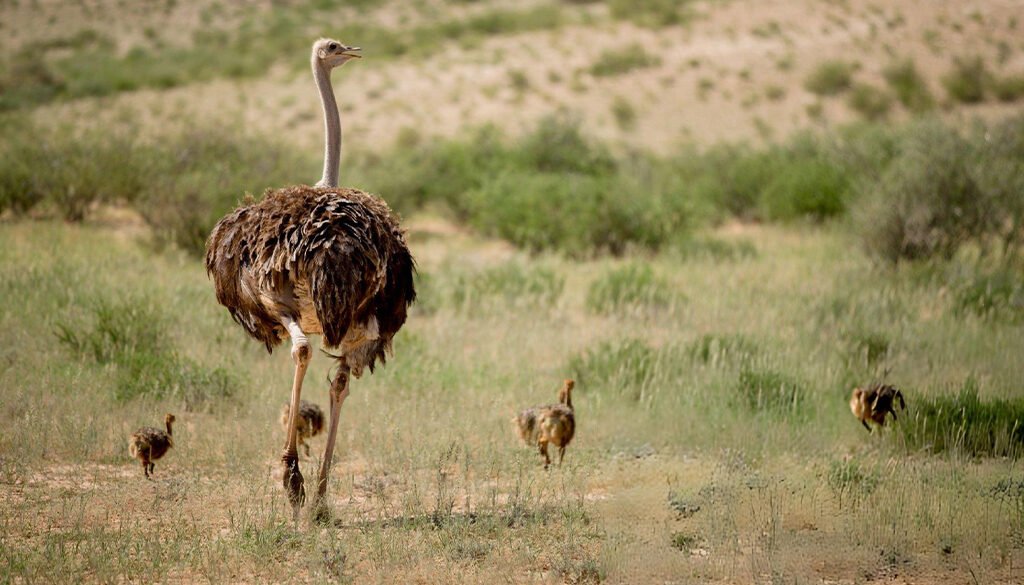
Can an ostrich eat meat? The answer is an emphatic yes. In fact, while plants make up the vast majority of their daily fare, ostriches are true opportunists, routinely consuming meat in the form of small reptiles, rodents, insects, frogs, and even scavenged carrion whenever the chance presents itself. Many people wrongly assume these massive birds are strict vegetarians, but when asking can an ostrich eat meat, researchers and wildlife experts continuously document their omnivorous habits across the African plains.
What makes this carnivorous streak even more fascinating is the extraordinary biological machinery that allows ostriches to digest practically anything they swallow. Unlike mammals, ostriches have no teeth, meaning they cannot chew, tear, or grind their food before it enters their body. Whether it is a tough, woody branch or an entire scaly lizard, everything goes down the gullet completely intact. To process this unchewed diet, nature equipped the ostrich with one of the most powerful digestive systems in the animal kingdom.
The Secret Digestive Engine: Gastroliths and the Gizzard
The key to their digestive prowess lies in a specialized, highly muscular stomach organ known as the gizzard. Because they lack teeth to break down tough food particles, ostriches intentionally swallow small stones, pebbles, and coarse gravel—collectively referred to as gastroliths. These stones sit inside the gizzard, acting as an internal, heavy-duty mill. When the dense muscles of the gizzard contract, the swallowed stones grind against each other, crushing seeds, pulverizing tough plant fibers, and breaking down animal bones, scales, and flesh into a fine digestible paste.
An adult ostrich can carry up to two pounds of stones in its gizzard at any given time. This relentless internal grinding mill allows the bird to extract maximum nutrition from both tough vegetation and small animal prey alike. So, when asking can an ostrich eat meat effectively without teeth, the gizzard provides the perfect evolutionary workaround.
Opportunistic Hunting on the African Savanna
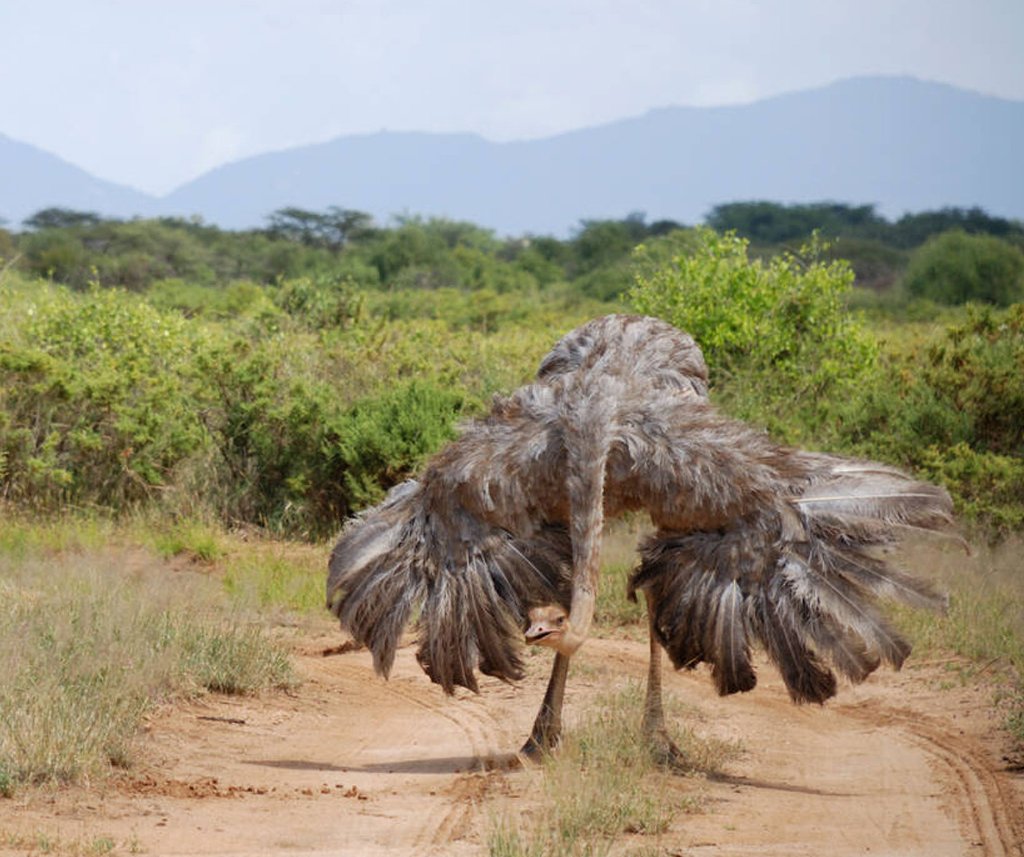
Beyond active hunting of small creatures, ostriches are also known to participate in clean-up operations on the savanna, occasionally turning into opportunistic scavengers. After large predators like lions or cheetahs have finished feeding on a fresh kill, ostriches have been observed approaching the leftover carcass. While they lack the hooked beaks and sharp talons of true birds of prey or vultures, their keen eyesight and sharp, flat beaks allow them to pick off leftover scraps of flesh, tendon, and nutrient-rich bone fragments left behind on the skeleton.
These scraps provide a crucial source of calcium, which is particularly vital for female ostriches during the breeding season, as they require massive amounts of calcium to produce the thick, porcelain-like shells of their giant eggs. In habitats where mineral-rich vegetation might be scarce, meat becomes a necessary supplement for survival.
High-Protein Diets for Rapidly Growing Chicks
Insects play an even larger role in the ostrich’s carnivorous habits, especially for growing chicks. During the first few months of life, young ostriches grow at an astounding rate, adding up to ten inches of height every single month. To sustain this explosive physical development, young chicks require far more protein than adult birds.
While adult ostriches might only eat meat when the opportunity arises, chicks actively hunt down insects like beetles, grasshoppers, caterpillars, and termites. If someone asks can an ostrich eat meat at a young age, the reality is that animal protein is absolutely critical for their survival in early life. Without this nutrient-dense prey, young chicks would fail to build the heavy bone structure needed to support their adult weight.
Survival Strategies During Drought and Hardship
This dietary flexibility is one of the primary reasons the ostrich has managed to endure for millions of years while so many other prehistoric avian giants disappeared. They are not restricted by a rigid, single-source diet. When rains are heavy and vegetation is lush, they graze happily on tender shoots, foliage, and ripe seeds.
When drought strikes and green foliage vanishes, their willingness to hunt small creatures, snap up insects, and consume scavenged meat keeps them nourished and hydrated, as animal tissue also provides valuable moisture in water-scarce regions. Therefore, the question can an ostrich eat meat highlights a critical evolutionary adaptation designed for survival in harsh climates.
Unique Anatomical Adaptations for Catching Prey
Beyond their internal digestive system, ostriches possess impressive physical traits that aid their dietary versatility. Their incredible height and massive, forward-facing eyes allow them to spot tiny movements in the grass from great distances. Whether it is a camouflaged chameleon or a scuttling beetle, an ostrich can pinpoint potential prey while standing upright.
Furthermore, their speed allows them to chase down fast-moving small animals. Running at speeds of up to 45 miles per hour, an ostrich can easily run down small lizards or rodents caught in the open. Their strong, wide beaks can exert significant clamping pressure, instantly neutralizing small prey items before swallowing them whole.
Evolutionary Success of an Unfussy Omnivore
Ultimately, classifying the ostrich strictly as an herbivore does a disservice to its true biological capabilities. While plant matter undeniably forms the foundation of their diet, their ability to process animal flesh, bones, and insects gives them a distinct ecological advantage over specialized feeders. This ability to adapt to available food sources ensures that the species can thrive in environments ranging from arid deserts to open grasslands.
The next time someone wonders can an ostrich eat meat, you can confidently explain that their powerful gizzard, reliance on gastroliths, and opportunistic hunting nature make meat a key component of their evolutionary success story.