What is the Difference Between a National Park and a Private Conservancy?
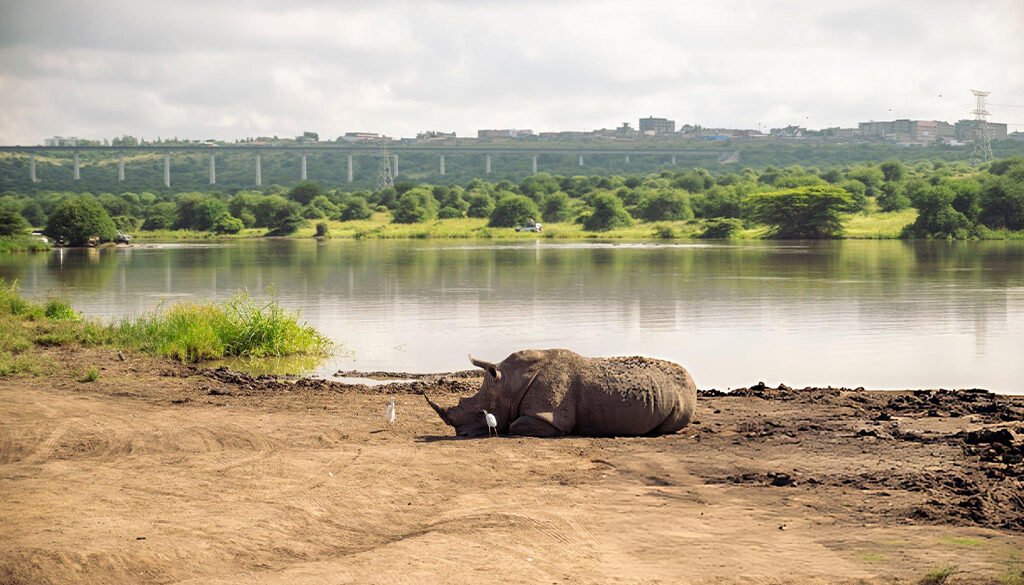
The difference between a national park and a private conservancy is not a matter of fence lines or native wildlife. Animals roam freely across both, completely unaware of human borders. Instead, the real distinction comes down to ownership, who controls access, how the land is managed, and the freedom you have to experience the wild.
Ownership and Public Access Dynamics
National parks are the magnificent, public crown jewels of environmental conservation. Owned and operated by national governments, these vast protected areas exist to preserve natural heritage for the public. They are accessible to everyone, from self-drive adventurers to large group tours, making them highly inclusive and budget-friendly. Because they cater to high visitor volumes, national parks operate under strict, uniform rules designed to protect the fragile terrain. Vehicles must remain strictly on marked roads. All visitors must leave or return to camp by sunset. If a pride of lions is resting under an acacia tree a hundred yards off the main track, you can only observe them through binoculars from behind a line of other waiting vehicles.
A private conservancy presents a completely different narrative. Conservancies are protected lands owned either by private individuals, eco-tourism trusts, or, very frequently, local indigenous communities who lease their ancestral territory for conservation. Rather than maximizing public access, conservancies strictly cap the number of visitors and vehicles allowed on the land at any given time. When you visit a conservancy, you are entering an exclusive, low-impact sanctuary where vehicle congestion simply disappears. Understanding this core difference between a national park and a private conservancy helps travelers choose the safari model that best matches their expectations.
Night Drives and Off-Road Exploration Rules
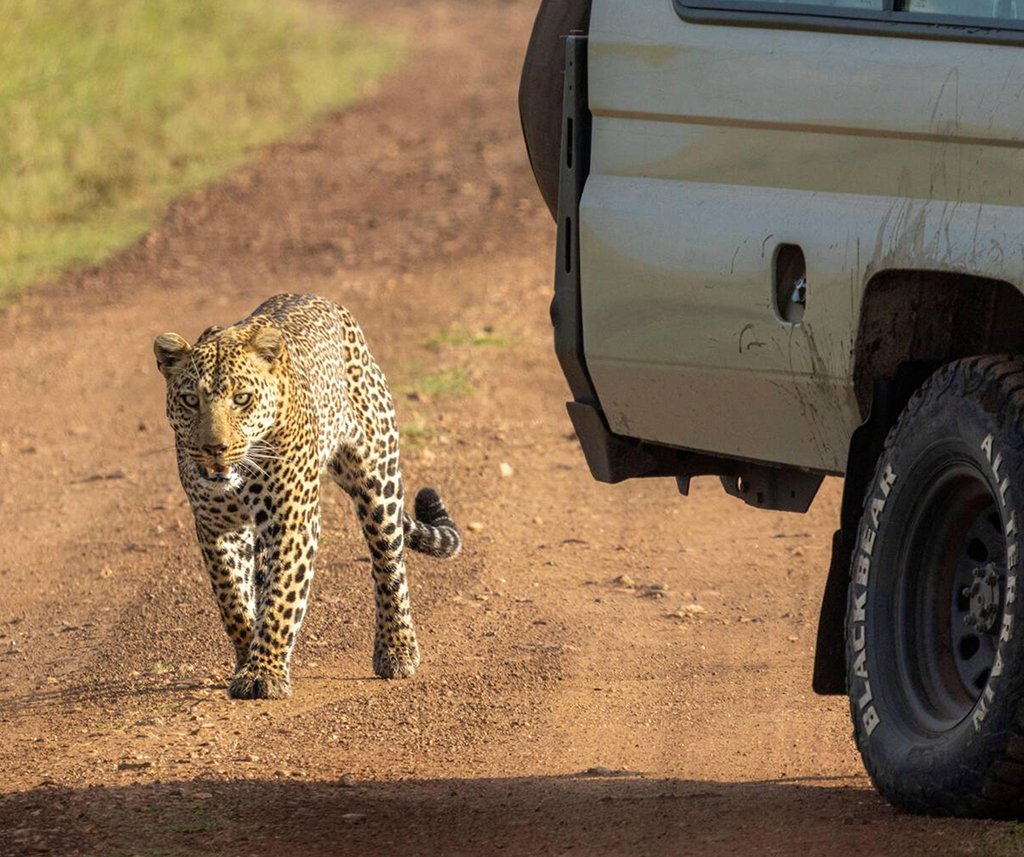
Because conservancies set their own management policies, they offer immersive wilderness activities that are entirely banned inside national parks. In a national park, the landscape closes down at dusk. But in a private conservancy, dusk is when a whole new world comes alive. Guides switch on specialized red spotlights to lead night drives, tracking elusive predators like leopards on the hunt, alongside nocturnal creatures like civets, genets, and bush babies that day-trippers never get to see.
The rules around off-road movement are equally distinct. In a conservancy, if a guide spots something remarkable off the main path, they have the discretion to gently navigate off-road to position the vehicle for an intimate, unobstructed view, providing an extraordinary advantage for wildlife photography. Furthermore, conservancies bring you back to the roots of African travel through guided walking safaris. Stepping out from behind the safety of a vehicle frame to walk through lion country alongside an armed ranger and an indigenous tracker transforms a passive tour into a visceral, sensory connection with nature.
Economic Models and Community Impact
Beyond the personal safari experience, the business models behind these two spaces support vastly different human and ecological ecosystems. National park entrance fees go into central government coffers to fund sweeping infrastructural projects, national ranger forces, and broad environmental policies across an entire country.
Conservancies operate on a localized, community-first ethos. By directly leasing land from indigenous landowners, conservancies ensure that local families receive direct, reliable financial compensation simply for keeping their land wild and free of agricultural development. Tourism revenues directly fund local schools, clean water projects, medical clinics, and employment opportunities for local residents as rangers, trackers, and lodge managers. This creates a direct incentive for surrounding communities to protect wildlife from poaching and habitat destruction. When indigenous communities economically benefit from the lions and elephants on their doorstep, coexisting with wildlife becomes a shared victory.
Feature Aspect | National Park | Private Conservancy |
Land Ownership | Central National Government | Private Individuals, Trusts, or Indigenous Communities |
Visitor Density | High public volume, open entry | Strict guest-to-acre limits and restricted vehicle numbers |
Off-Road Driving | Strictly prohibited to prevent soil damage | Permitted under regulated eco-guidelines |
Night Game Drives | Not allowed; strict sunset-to-sunrise curfews | Standard activity utilizing specialized spotlights |
Walking Safaris | Restricted or prohibited in most areas | Freely offered with qualified rangers and trackers |
Revenue Destination | Central treasury and state conservation bodies | Direct lease payments to local families and community funds |
Choosing the Best Wilderness Experience
Selecting between a national park and a private conservancy comes down to what you hope to experience. National parks remain unmatched for grand scale and iconic natural phenomena. If your heart is set on standing above the Mara River to watch thousands of wildebeest plunge through crocodile-infested waters during the Great Migration, you will need to be inside a national park or reserve. Parks also offer accessible options for independent travelers who prefer self-driving.
However, if you crave quiet solitude, deep immersion, and the thrill of tracking animals on foot or under the cover of darkness, a private conservancy delivers an experience that feels raw, personal, and profoundly peaceful. Many seasoned travelers find that blending both offers the ideal journey – witnessing the dramatic public spectacles of the national parks by day, then retreating to the quiet, open freedoms of a private conservancy when the sun goes down. Evaluating the difference between a national park and a private conservancy ensures you get the most out of your African safari adventure.