How Do Wild Animals Drink Dirty Water Without Getting Sick?
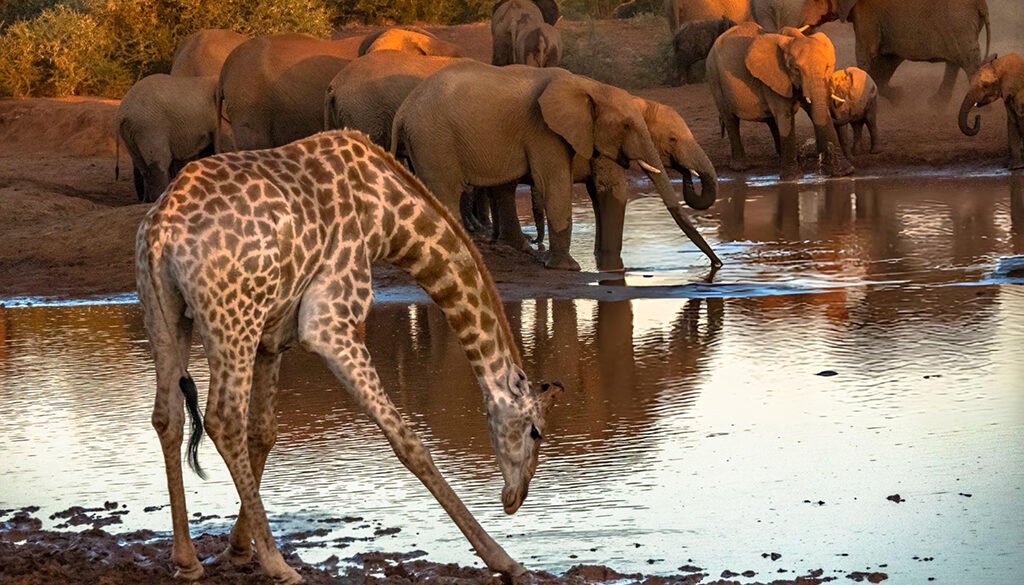
Wild animals drink dirty water because their bodies have spent millions of years building up razor-sharp sensory instincts, hyper-acidic stomachs, powerful immune systems, and specialized behaviors specifically tuned to handle natural microorganisms. Humans, on the other hand, traded away those harsh biological defenses in exchange for something much bigger: our massive, energy-hungry brains and our mastery of cooking and sanitation. Over thousands of generations, we clean-filtered ourselves out of the game, leaving our immune systems unprepared for untreated water while wild animals stayed fully armed.
Understanding “Dirty” Water
When we call water “dirty,” we are usually talking about two different things: physical debris like dirt and mud, or microscopic threats like bacteria, parasites, and viruses. Dirt itself rarely kills you, but invisible pathogens certainly can. Wild animals face these threats every single day, but they are far from reckless. They possess a sophisticated set of internal and external survival tools that begin before a single drop even touches their tongue.
Step 1: Sensory Diagnostic Laboratories
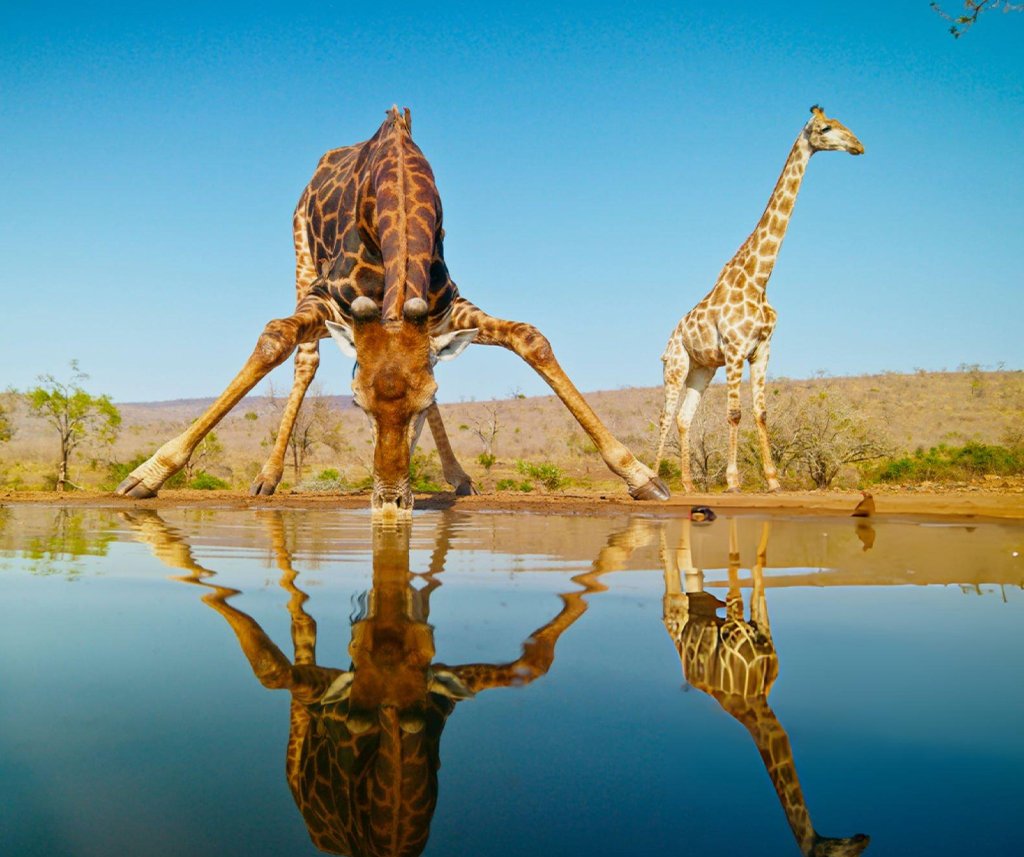
First, animals are far better at evaluating water than we give them credit for. Through millions of years of natural selection, their senses of smell and taste have become finely tuned diagnostic laboratories. They can detect the subtle odor of stagnation, rotting organic matter, or chemical contamination long before taking a drink. If a puddle smells slightly off to a human, it might smell like an absolute biohazard to a wolf.
When an animal chooses to drink, it is rarely from a completely toxic source. They actively seek out running water or fresh rainwater whenever possible, using their heightened instincts to avoid the most dangerous micro-environments.
Step 2: The Biological Fortress of Stomach Acid
Second, if pathogens do manage to enter an animal’s mouth, they immediately hit an absolute biological fortress: stomach acid. The human stomach is surprisingly acidic, sitting around a pH of 1.5 to 3.5, which kills off many everyday microbes. But scavengers and wild carnivores take this to an extreme. Vultures, hyenas, and wild dogs have stomach acid with a pH approaching 1—nearly as acidic as battery acid.
When bacteria or parasites hit a stomach like that, the extreme acidity literally dissolves the microscopic invaders, destroying their cellular structures before they can ever reach the intestines. This biological furnace allows animals like vultures to consume rotting carcasses filled with anthrax and cholera bacteria without missing a beat.
Step 3: Microbiome Battles and Antibodies
Third, what happens if a pathogen somehow survives the stomach acid and makes it into the intestinal tract? This is where an animal’s immune system and gut microbiome step in. The gut of a wild animal is not a sterile environment; it is a battleground crowded with trillions of native, beneficial bacteria. When a foreign microbe enters, it faces intense competition for space and nutrients from the established local microflora.
Furthermore, wild animals are exposed to ambient pathogens in their environment from the moment they are born. This constant, low-level exposure acts like a natural, continuous vaccination process. Their immune systems are constantly producing targeted antibodies to the specific bacteria native to their home territory.
The Turning Point: Why Humans Lost Their Defenses
So, if our ancient ancestors shared these same evolutionary advantages, why did humans lose them?
Feature | Wild Animals | Modern Humans |
Primary Defense | Internal (Gastric acid, antibodies) | External (Fire, filtration, sanitation) |
Stomach pH | Extremely low (pH 1.0 in scavengers) | Moderate (pH 1.5 – 3.5) |
Energy Allocation | Heavy digestive tract maintenance | Large brain development |
Pathogen Exposure | Continuous, lifelong ambient exposure | Controlled, sanitized environments |
The turning point in human history was the mastery of fire. When early humans learned to cook food and boil water, we inadvertently changed the course of our own biological evolution. Cooking food breaks down tough fibers and proteins, making calories vastly easier to digest and absorb. This huge influx of easily digestible energy allowed our species to shrink our energy-expensive digestive tracts and divert massive amounts of metabolic fuel toward growing larger brains.
However, this came with a hidden cost. By cooking our food and sourcing cleaner water, we effectively protected ourselves from the constant assault of foodborne and waterborne pathogens. Over thousands of generations, the evolutionary pressure to maintain hyper-acidic stomachs, ultra-dense gut microbiomes, and brute-force digestive immunity vanished. Natural selection stopped prioritizing an ironclad stomach because humans who lacked one were still surviving and passing on their genes thanks to fire, intelligence, and clean habits. In simple terms: we traded our internal bioweapons for external tools.
The Modern Threat: Human Pollution
There is also a modern factor that makes untreated wild water even more dangerous for humans today: human pollution. Even if a modern human managed to build up a tough gut, our lakes and rivers now contain chemical runoff, heavy metals, and synthetic contaminants. An animal’s immune system can evolve to fight off natural bacteria over generations, but no animal’s stomach can adapt overnight to synthetic pesticides or industrial chemicals.