What to Wear on Safari: Why You Must Leave White Clothes at Home
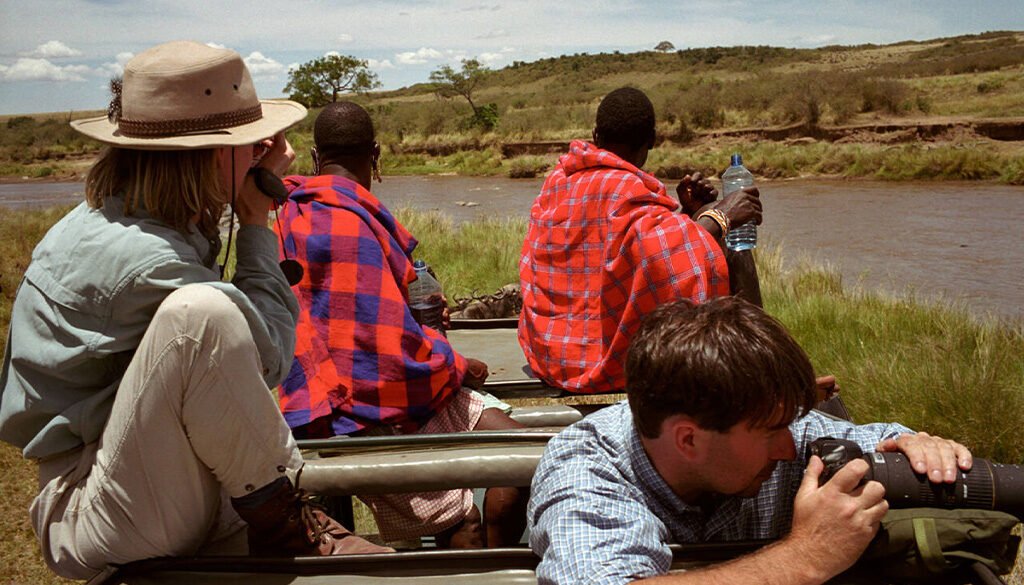
Packing for an African Holiday Trip? Learn what to wear on safari and why wearing white, black, or dark blue is a major mistake, and find the ultimate safari clothing guide.
Why Can’t You Wear White on Safari?
Packing for an African safari is unlike preparing for any other holiday. When you are compiling your wardrobe, color choice is not just a matter of fashion—it directly impacts your comfort, your safety, and your ability to see wildlife up close.
While a crisp, white linen shirt looks incredibly chic in travel magazines, wearing white on a safari is highly discouraged by professional guides. Here are the three main reasons why.
1. You Will Become a Dust Magnet
The roads inside African reserves like the Serengeti, Masai Mara, or Samburu are unpaved, volcanic dirt tracks. During the dry season, safari vehicles stir up massive clouds of fine, powdery, reddish-orange dust.
-
The Result: A bright white outfit will absorb this dust within the first 30 minutes of a game drive.
-
Your white clothes will quickly turn a dingy, stained shade of brown or orange that is incredibly difficult to wash out.
2. White Makes You Highly Visible to Wildlife
In the wild, animals rely heavily on movement and contrast to spot potential threats.
-
High Contrast: White is not a naturally occurring color in large quantities on the savannah. Against the dry, golden grass or the dark green bush, a bright white shirt stands out like a beacon.
-
The Reaction: Animals have keen survival instincts. If they spot a high-contrast white object moving inside a vehicle, they are far more likely to get skittish and run away before you can get close enough for a great photograph.
3. The “Danger Signal” Connection
Many prey species in Africa—such as the warthog or various species of antelope—have white undersides on their tails. When they spot a predator, they raise their tails, exposing the bright white fur as an emergency alarm signal to the rest of the herd to flee.
-
By wearing bright white, you may inadvertently trigger this flight response in herd animals, clearing the area of wildlife.
The Ultimate Safari Color Guide: What to Pack and What to Avoid
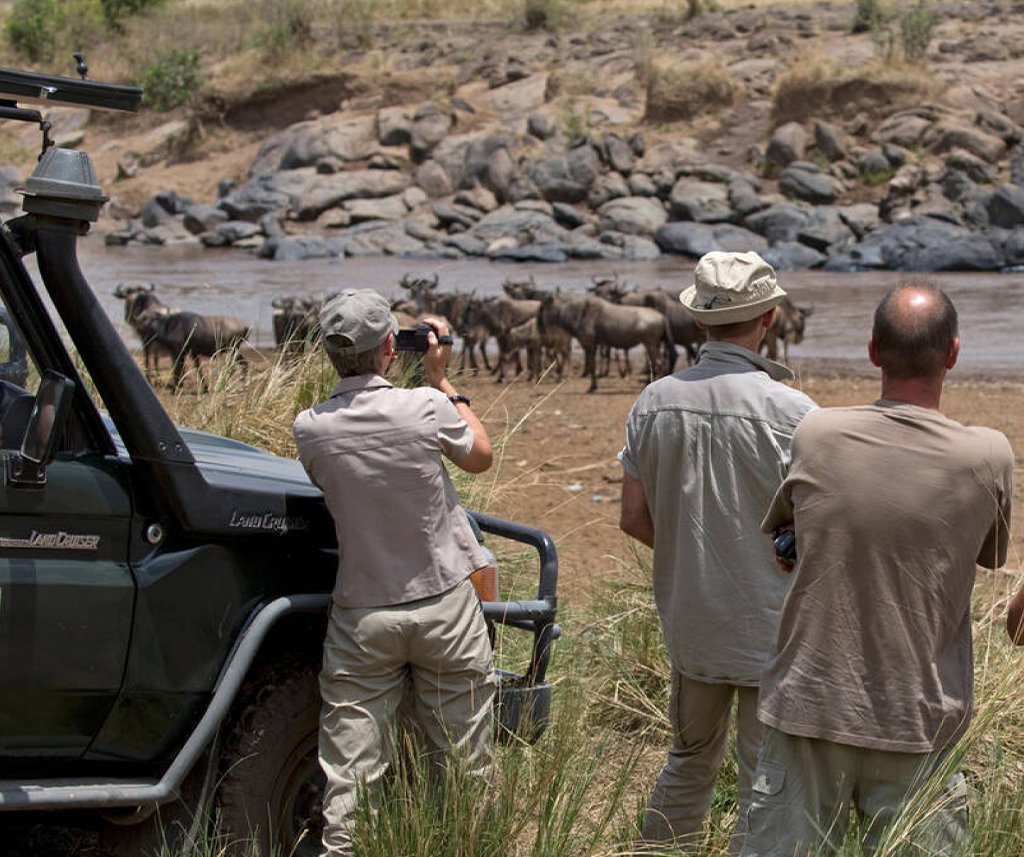
When choosing your clothing palette, your goal is to blend seamlessly into the natural landscape.
Color | Safari Status | Reason |
Khaki, Beige, Tan | Highly Recommended | Blends perfectly with dry grass; hides dust and dirt easily. |
Olive Green, Sage | Highly Recommended | Blends with riverine forests and green bush foliage; excellent for walking safaris. |
Brown, Stone | Highly Recommended | Natural earth tones that make you virtually invisible to wildlife. |
White & Cream | Avoid on Game Drives | Shows dust instantly; highly reflective and distracting to animals. (Fine for dinner at the lodge). |
Dark Blue & Black | Strictly Avoid | These colors absorb heat and actively attract tsetse flies, whose painful bites can transmit sleeping sickness. |
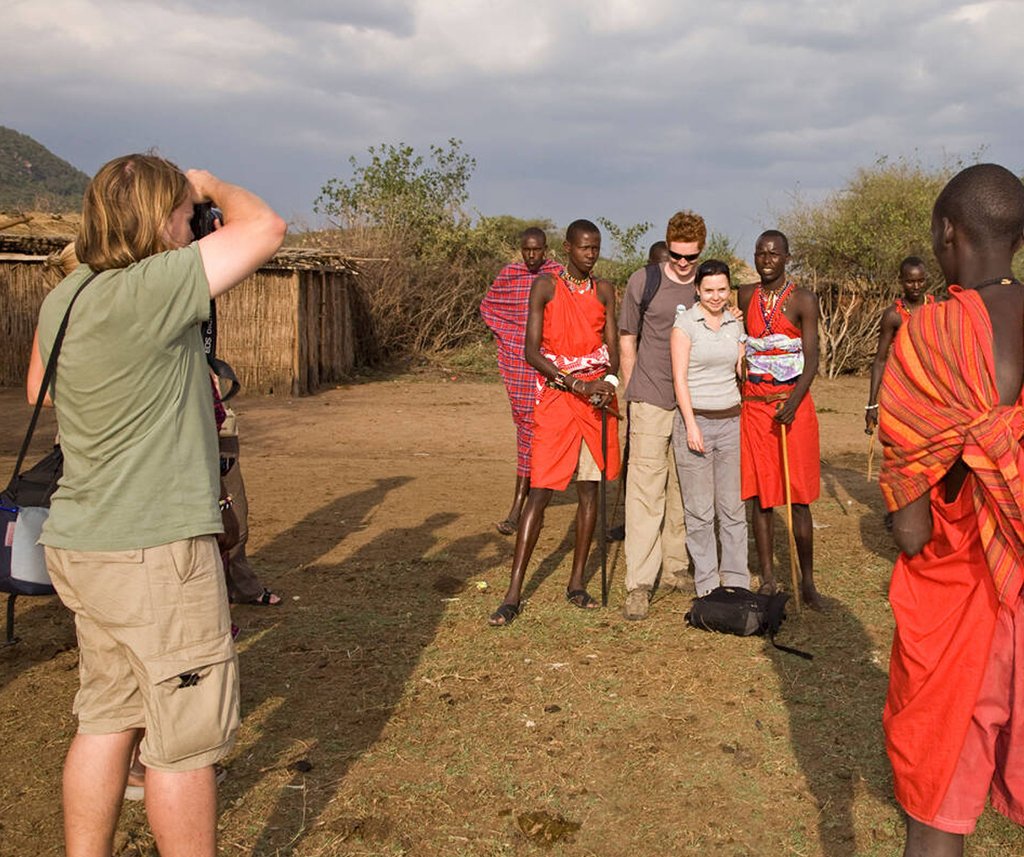
Bright Red & Yellow | Avoid | Highly visible to wildlife; red is associated with Maasai herders, which wild animals have learned to avoid. |
Camouflage Patterns | Strictly Banned | In many African countries, camouflage clothing is reserved strictly for the military. Wearing it as a civilian is illegal. |
Pro-Packing Tip
Keep a lightweight, neutral-colored scarf or buff in your daypack. When another safari vehicle passes by and kicks up a cloud of dust, you can quickly pull it over your nose and mouth to breathe easily.