Angama Amboseli: The Ultimate Kilimanjaro Safari Experience
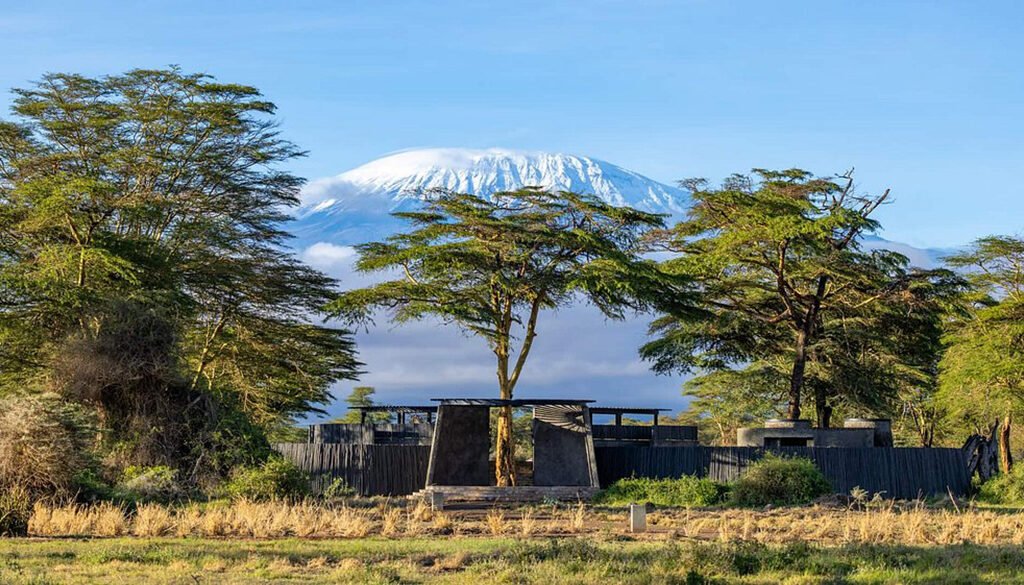
The location of Angama Amboseli is perhaps its most strategic asset. Situated in the 5,700-acre Kimana Sanctuary, it occupies a critical “pinch point” within the ancient elephant corridor. This narrow strip of land connects the Amboseli National Park to the Chyulu Hills and Tsavo West, ensuring that wildlife can migrate safely through a landscape shared with human communities.
Being in a private sanctuary means guests enjoy exclusive traversing rights. Unlike the busier public sectors of Amboseli National Park, here you can witness the majesty of nature without the presence of other safari vehicles. The lodge is approximately a 45-minute drive from the main Amboseli National Park gate, offering the best of both worlds: private seclusion and easy access to the park’s famous marshlands.
Quick Facts: Angama Amboseli at a Glance
Category | Details |
Location | Kimana Sanctuary, Amboseli Ecosystem, Kenya |
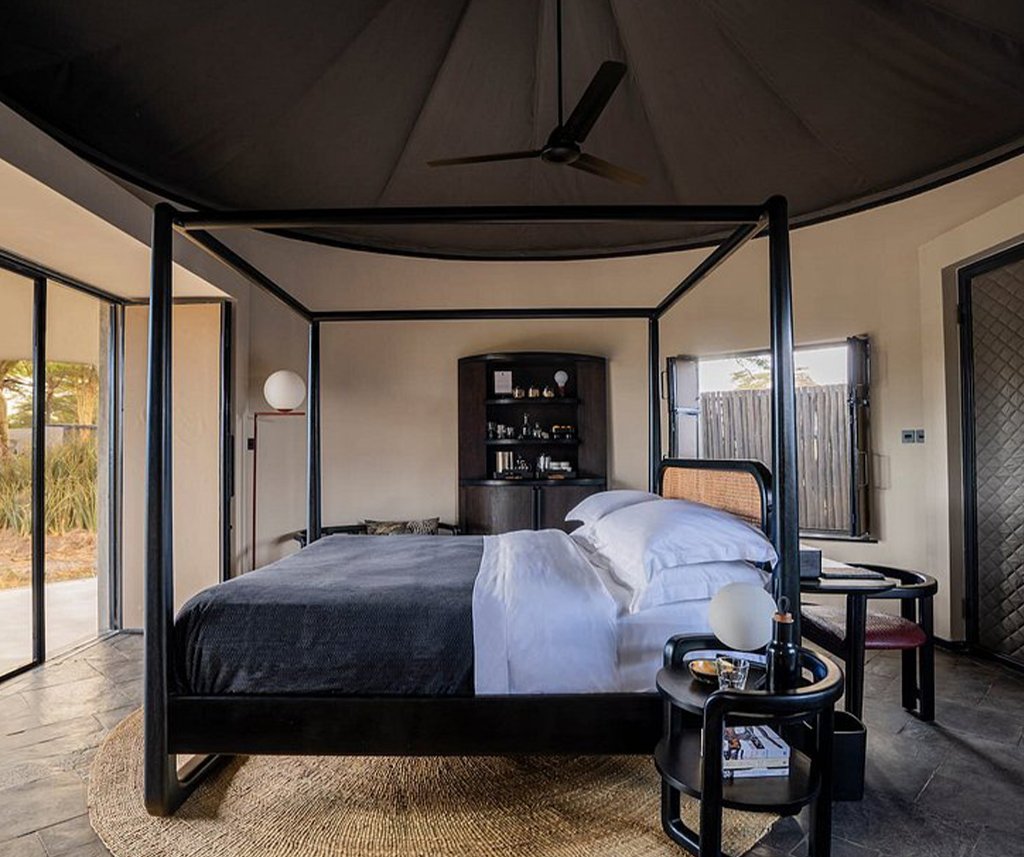
Accommodation | 10 Luxurious Tented Suites |
Sustainability | Solar-powered, single-use plastic-free, community-owned land |
Primary Wildlife | African Elephants (Super Tuskers), Lions, Cheetahs, Giraffes |
Unique Feature | Unobstructed views of Mount Kilimanjaro from every suite |
Activities | Game drives, guided walks, photographic safaris, Maasai cultural visits |
A Beacon of Sustainability and Community
Sustainability is not just a buzzword at Angama Amboseli; it is the foundation of its existence. The lodge sits on Kenya’s first community-owned conservancy, leased from 844 Maasai families. This partnership ensures that the economic benefits of tourism flow directly back to the traditional landowners, incentivizing the protection of the wildlife corridor over agricultural expansion.
The lodge operates with a minimal environmental footprint, utilizing solar power and prioritizing water conservation. Through the Angama Foundation, a $20 per-night donation from each guest goes toward education, healthcare, and conservation projects. This includes supporting the Big Life Foundation, which employs hundreds of local rangers to mitigate human-wildlife conflict and prevent poaching in the region.
The Home of the Super Tuskers
While the “Big Five” are present, the real stars of Angama Amboseli are the elephants. This region is one of the last places on Earth where you can reliably find “Super Tuskers”—elephants whose tusks are so large and heavy (exceeding 100 lbs each) that they literally brush the ground as they walk.
The sanctuary’s perennial stream creates a lush habitat that attracts a high density of wildlife. Beyond the elephants, you can expect to see:
-
Predators: Resident lions, elusive leopards, and cheetahs.
-
Herbivores: Towering giraffes, Cape buffalo, eland, reedbuck, and thousands of zebras.
-
Birdlife: Over 400 species, ranging from the colorful lilac-breasted roller to majestic martial eagles.
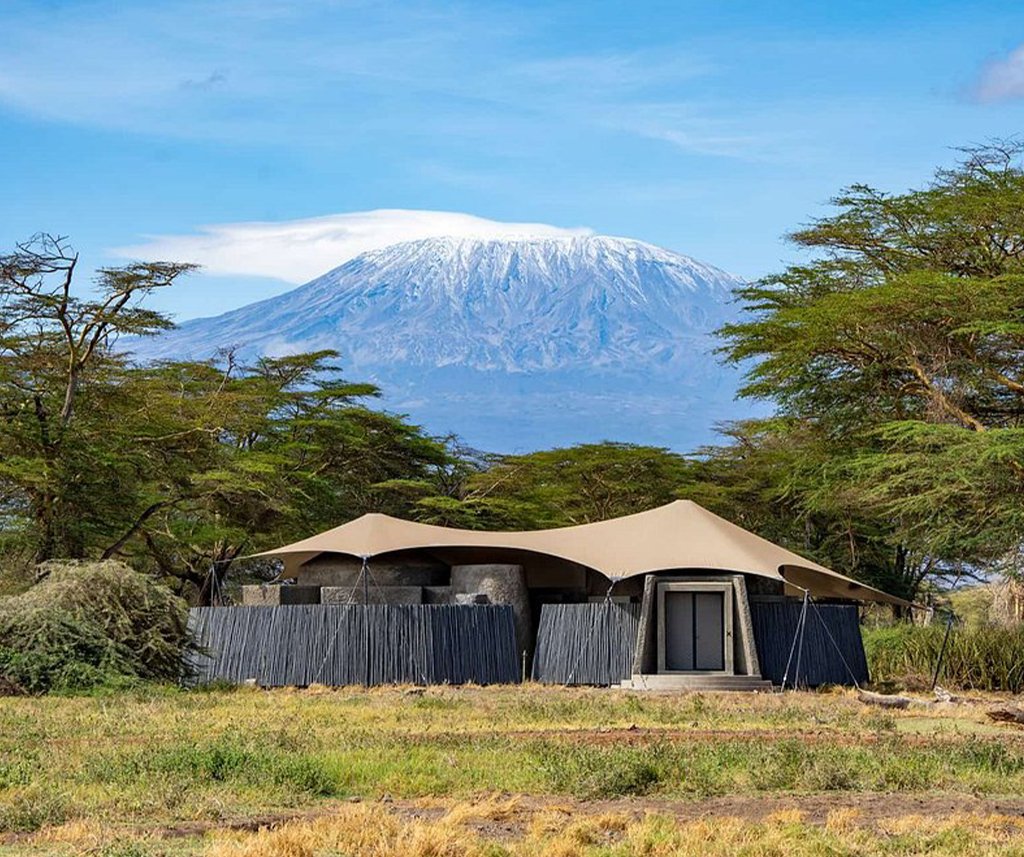
Unique Features: Architecture Meets Nature
One of the most talked-about unique features of the lodge is the Mnara, a specially designed viewing tower. Built over a marsh frequented by elephants, it offers 360-degree views of the sanctuary and the Chyulu Hills. It is the ultimate spot for a sundowner or a quiet afternoon of birdwatching.
Additionally, the rim-flow swimming pool features a unique “drinking trough” specifically for elephants. It is not uncommon for guests to be lounging by the pool while a massive bull elephant pauses just a few feet away to quench his thirst, creating a truly immersive and humbling experience.
Diverse Activities for Every Explorer
The guest experience at Angama Amboseli is highly personalized. While traditional game drives are a staple, the lodge encourages “slow safari” experiences:
-
Pyjama Safaris: Start your day with a sunrise coffee and a gentle drive to see the morning light hit Kilimanjaro, all before returning for a late breakfast.
-
Photographic Studio: An on-site studio offers professional equipment rentals and editing tutorials to help you capture the perfect shot of a Super Tusker.
-
Walking Safaris: Led by expert Maasai guides and armed guards, these walks allow you to focus on the smaller details of the bush—from medicinal plants to animal tracks.
-
Big Life Foundation Visits: Guests can visit the headquarters of this renowned conservation group to see the “ops room” and learn how technology is used to protect the ecosystem.
-
Weaving Studio: Engage with local Maasai women to learn the intricate art of beadwork and weaving, fostering a genuine cultural exchange.