Facts About the Kihansi Spray Toad
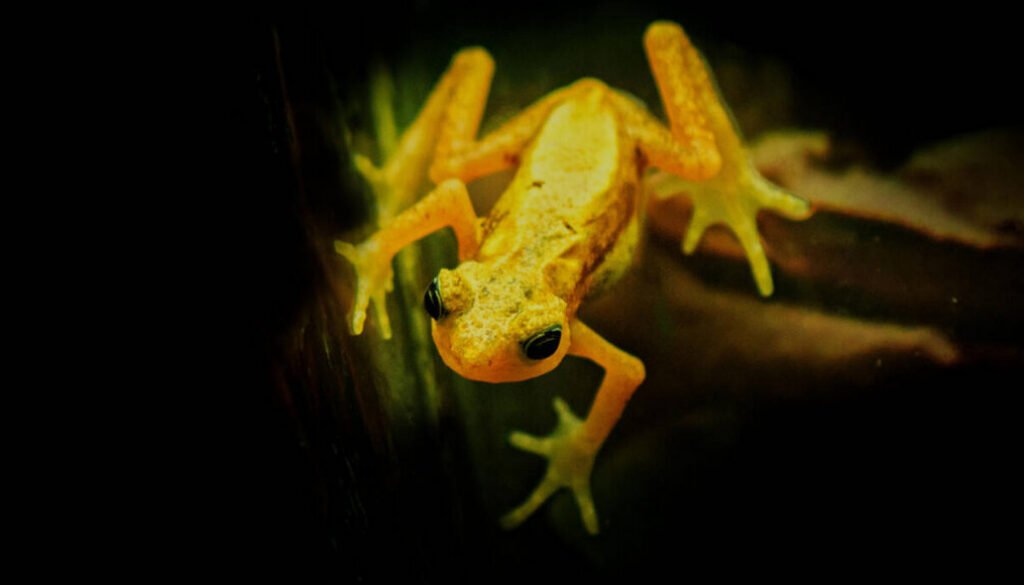
One of the most startling facts about the Kihansi Spray Toad is its original range. Historically, this species lived in a habitat covering less than two hectares. This area was entirely dependent on the “spray” created by the Kihansi Falls. Because they evolved in such a localized environment, they are incredibly sensitive to any changes in air moisture or water flow, making them a “specialist” species in the truest sense.
Essential Facts About the Kihansi Spray Toad
-
Common Name: Kihansi Spray Toad
-
Scientific Name: Nectophrynoides asperginis
-
Type: Amphibian
-
Diet: Insectivore (Flies, mites, and small larvae)
-
Average Life Span in the Wild: 2–4 years in the wild
-
Size (Head and body): 1.9 cm to 2.9 cm (Females are larger)
-
Weight: Less than 1 gram
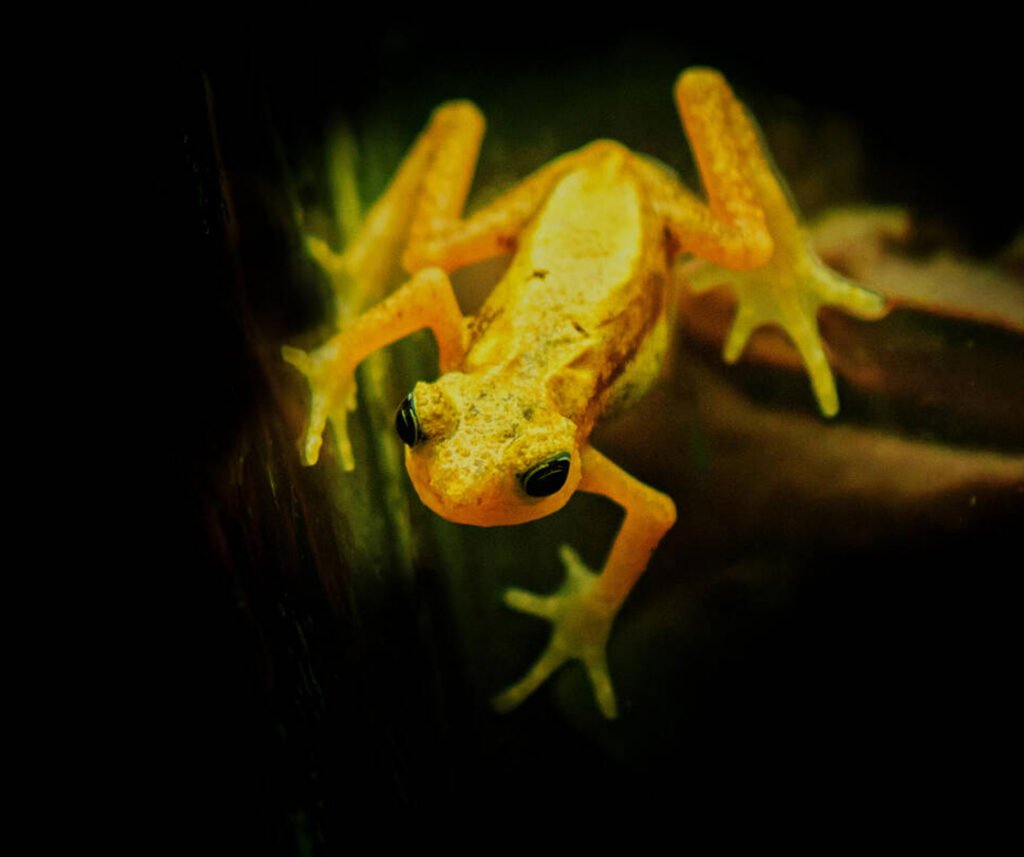
The Crisis of 1999
The population faced a catastrophic decline following the construction of a hydroelectric dam on the Kihansi River. The dam diverted 90% of the water flow, nearly eliminating the mist zone the toads required to breathe and stay hydrated. Within years, the wild population plummeted, leading to a desperate “Noah’s Ark” rescue mission where the last remaining individuals were flown to zoos in the United States to start a captive breeding colony.
Specialized Respiratory Needs
Because they lived in a constant mist, these toads have skin that is exceptionally permeable. They don’t just drink water; they absorb the fine droplets from the air. When the spray from the waterfall vanished, the toads literally began to dry out. This sensitivity is why the facts about the Kihansi Spray Toad are often used in scientific studies regarding climate change and habitat alteration.
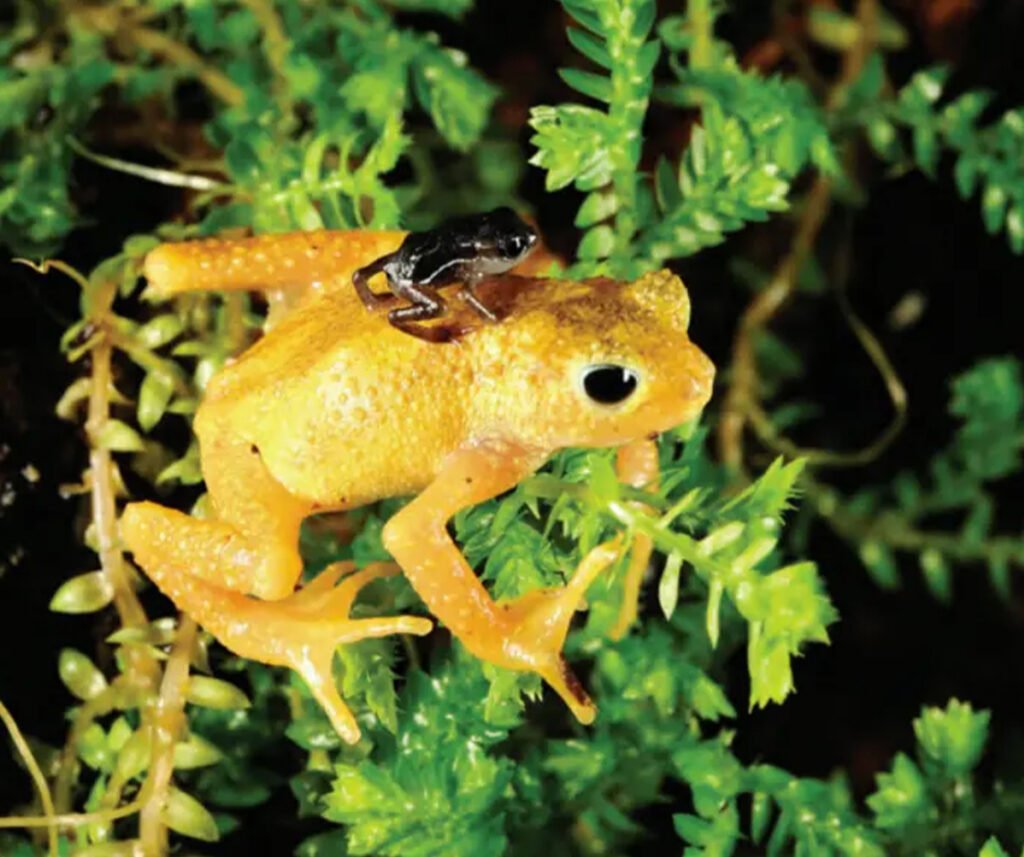
Their Distinctive Golden Hue
While many forest toads are brown or green to blend into the leaf litter, the Kihansi Spray Toad is a vibrant golden-yellow. This coloration may seem like it would make them easy prey, but in the shimmering, sun-drenched mist of the Kihansi Gorge, the yellow hue actually helped them blend into the mossy rocks and yellowed grasses near the spray zone.
The Fight Against Chytrid Fungus
As if the loss of their habitat wasn’t enough, the species was also struck by Batrachochytrium dendrobatidis (chytrid fungus). This deadly pathogen has wiped out amphibian populations globally. The combination of habitat loss and disease led the IUCN to declare the species “Extinct in the Wild” in 2009. However, thanks to the dedicated efforts of conservationists, the facts about the Kihansi Spray Toad now include a chapter on successful reintroduction.
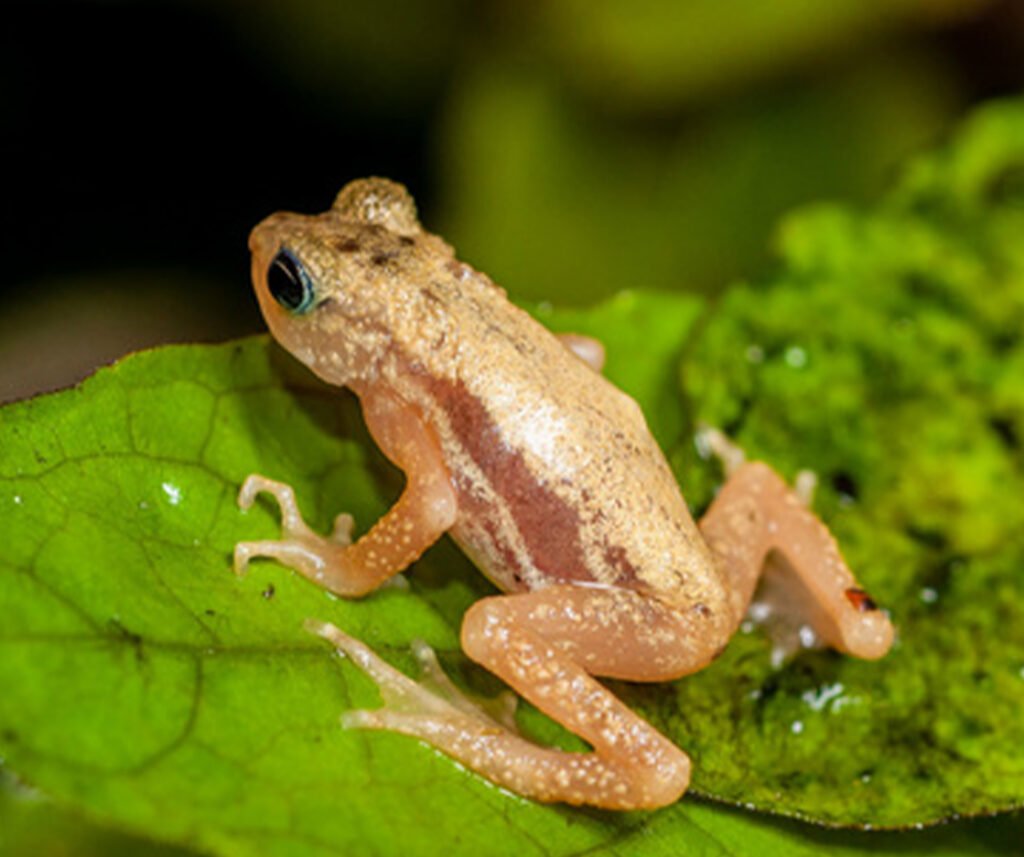
A Triumphant Return to Tanzania
In a historic conservation milestone, captive-bred toads were successfully reintroduced to the Kihansi Gorge. To make this possible, engineers installed an artificial misting system—a massive network of pipes and nozzles that replicates the natural spray of the waterfall. This “life support system” allows the toads to survive in their ancestral home while the ecosystem is carefully managed.
Diet and Hunting Behavior
The diet of the Kihansi Spray Toad consists of tiny invertebrates. They are opportunistic hunters, sitting still and waiting for mites or small flies to wander within reach of their flicking tongues. Because they are so small, they must eat frequently to maintain their metabolism, especially the females who require extra energy for internal egg development.