Facts About the Black Rain Frog
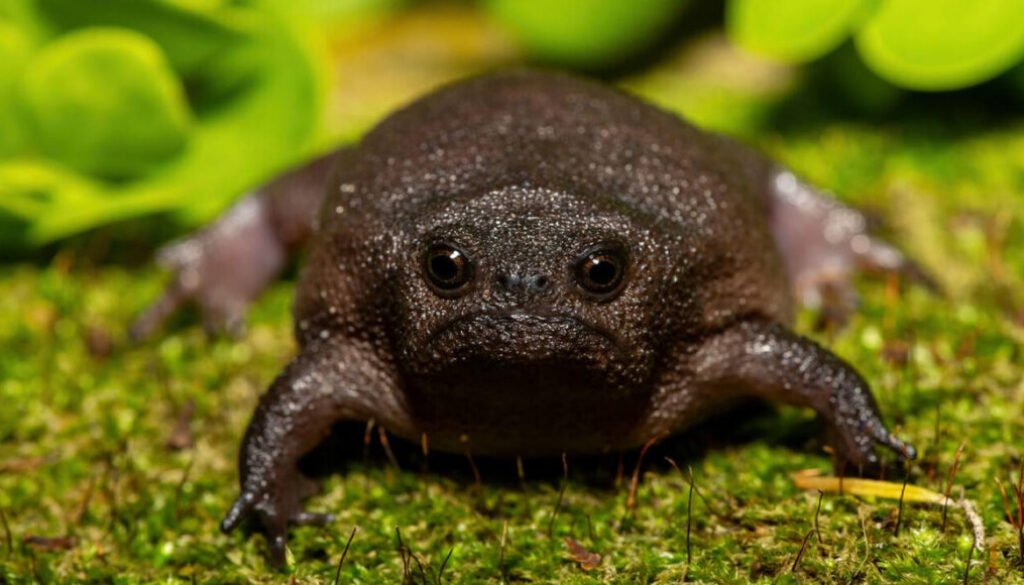
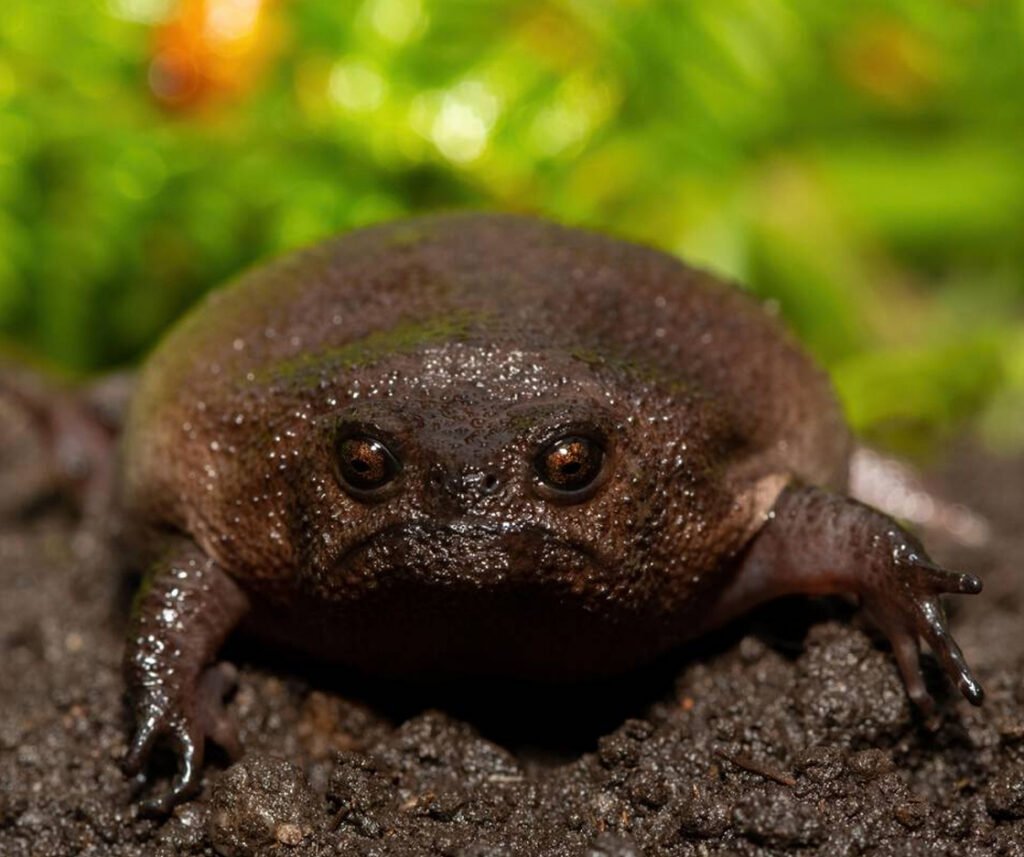
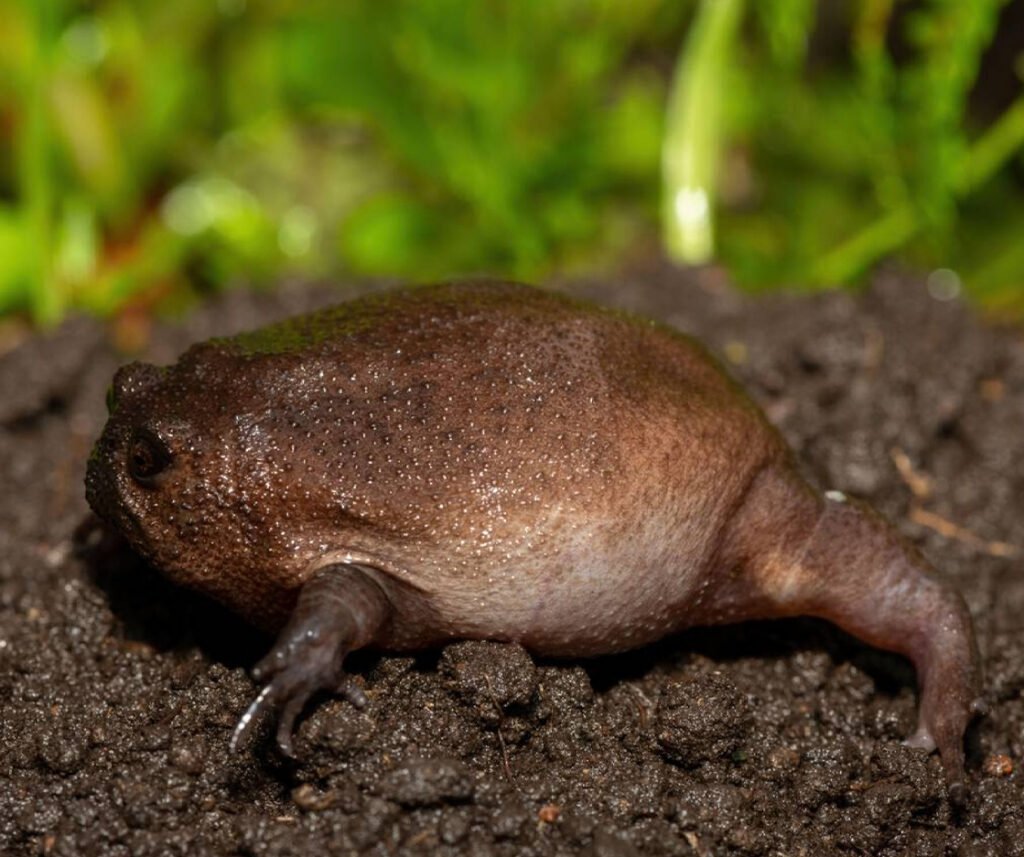
The most striking facts about the Black Rain Frog involve its physical appearance. Unlike typical frogs with sleek, athletic bodies, the Black Rain Frog is globular. It has short, stubby limbs and a face that appears to be in a permanent state of annoyance. This “frown” is actually a result of its specialized mouth structure, which is adapted for its burrowing lifestyle.
Essential Facts About the Black Rain Frog
-
Common Name: Black Rain Frog
-
Scientific Name: Breviceps fuscus
-
Type: Amphibian
-
Diet: Carnivore (Insectivore – Ants, termites, beetles)
-
Average Life Span in the Wild: 10–15 years in the wild
-
Size (Head and body): 4 to 5 cm (Head and body)
-
Weight: Approximately 10 to 20 grams
A Life Underground
You won’t find these frogs jumping through lily pads. They are fossorial, meaning they spend the majority of their lives underground. They inhabit the Cape Fold Belt in South Africa, specifically in fynbos and forest fringes. They dig tunnels up to 15 centimeters deep, creating a moist microhabitat that protects them from the heat and predators.
The Ultimate Defense: Inflating Like a Balloon
When threatened, the Black Rain Frog employs a hilarious yet effective defense strategy. It gulps in air to puff itself up into a tight, round ball. This increase in size makes it difficult for predators—like snakes or birds—to swallow them or pull them out of their burrows. While they look like a squeaky toy, this is a high-stakes survival tactic.
No Tadpoles Required
In most amphibian life cycles, water is a prerequisite for laying eggs that hatch into tadpoles. However, one of the most unique facts about the Black Rain Frog is its terrestrial breeding. The female lays a clutch of eggs in a subterranean chamber. Instead of a free-swimming tadpole stage, the young develop entirely within the egg capsules, eventually emerging as fully formed, miniature froglets.
Sticky Love: The Mating “Glue”
Because of their round bodies and short legs, male Black Rain Frogs have a hard time “clasping” onto females during mating (a process called amplexus). To solve this, the female secretes a sticky substance from her back that acts like a temporary glue, keeping the male attached while they navigate their burrow to lay eggs.
Specialized Diet
These frogs are essential to their ecosystem’s pest control. Their diet consists almost exclusively of small invertebrates. Using their sticky tongues, they feast on ants, termites, and small beetles. Because they are so small, they must consume a high volume of insects to maintain their energy levels, especially during the rainy season when they are most active.
Conservation and Threats
While currently listed as “Least Concern” by the IUCN, the habitat of the Black Rain Frog is restricted to a specific region of South Africa. Wildfires, invasive plant species that dry out the soil, and habitat fragmentation are constant threats. Protecting the unique fynbos biome is critical to ensuring these “grumpy” little creatures continue to thrive.