Facts About the Superb Starling
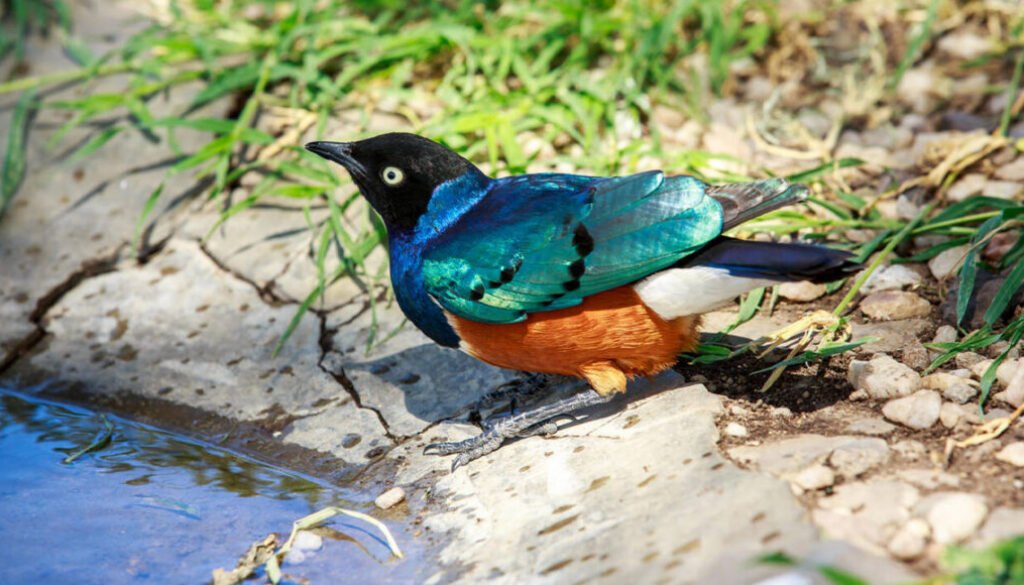
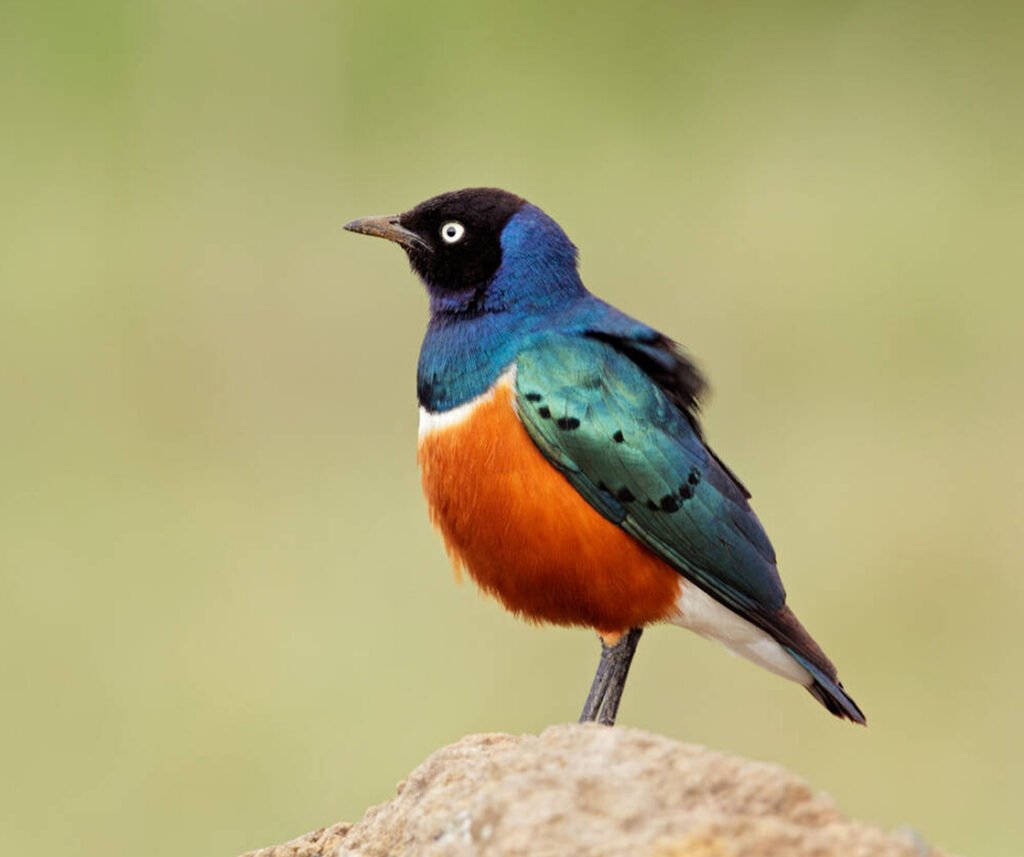
The most striking of all facts about the Superb Starling is its incredible coloration. Unlike many birds that rely on pigment for their color, the starling’s metallic sheen comes from the microscopic structure of its feathers, which refract light like a prism.
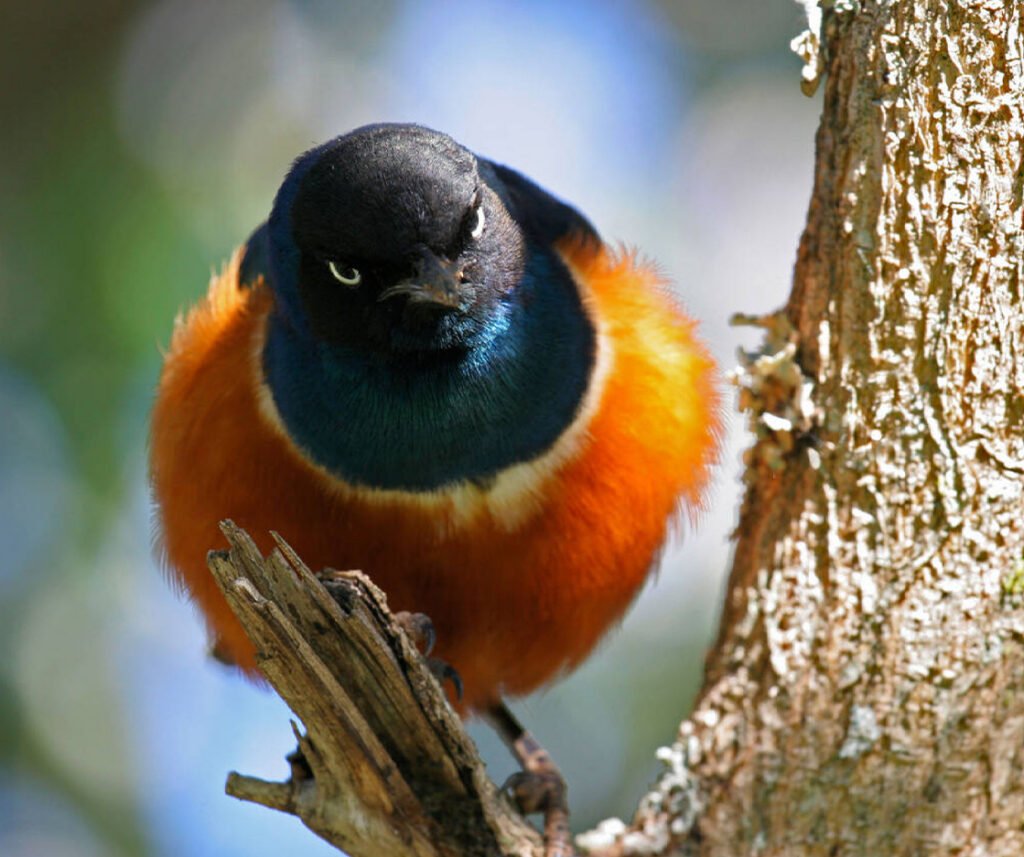
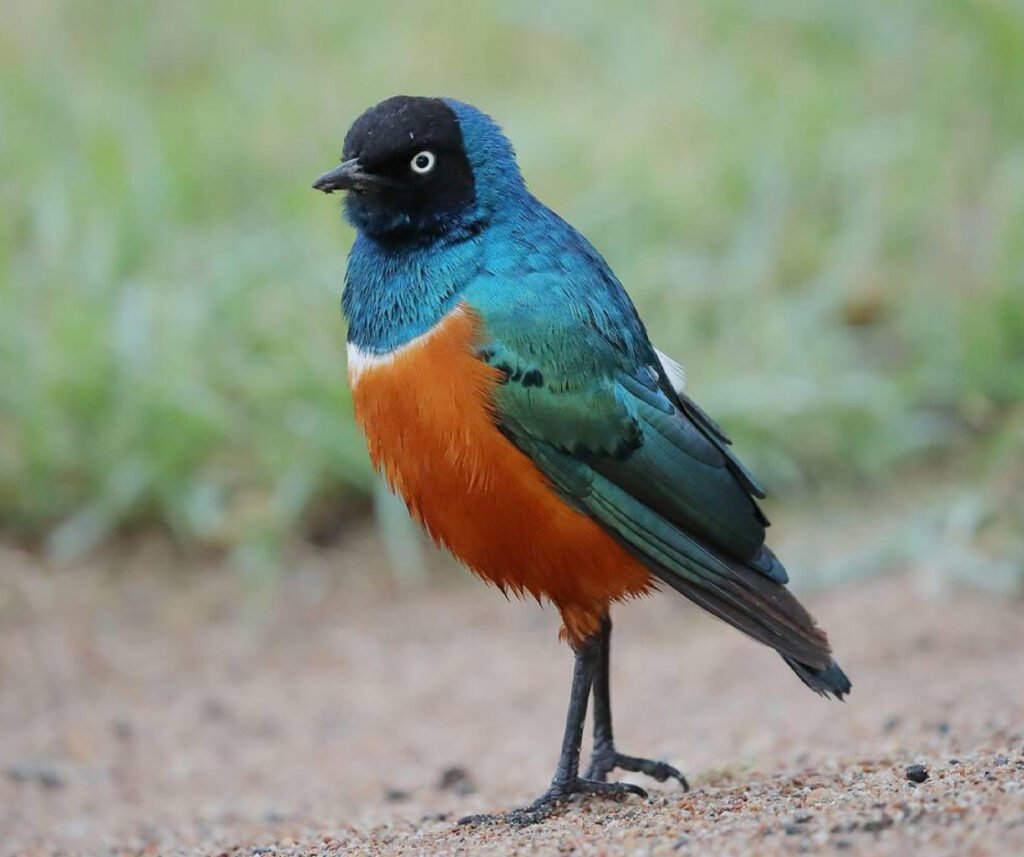
The bird features a black head, a metallic green-blue back and wings, and a brilliant orange-chestnut belly. A distinct white band separates the blue breast from the orange underparts, making it easily distinguishable from its cousin, the Hildebrandt’s Starling, which lacks that white line.
Essential Facts About the Superb Starling
- Common Name: Superb Starling
-
Scientific Name: Lamprotornis superbus
-
Type: Bird
-
Diet: Omnivore
-
Average Life Span in the Wild: 10 to 15 years
-
Size (Head and Body): 18 to 20 cm (7 to 8 inches)
-
Weight: 50 to 77 gram
Social Butterflies of the Savanna
These birds are highly gregarious. You will rarely find a Superb Starling alone; they thrive in large, noisy flocks that can include dozens of individuals. This social structure provides “safety in numbers,” allowing the group to alert one another to predators like hawks or snakes.
In addition to their own kind, they are often seen foraging near large mammals like elephants or buffalo. As these giants move through the grass, they stir up insects, providing an easy “buffet” for the starlings.
Clever Cooperative Breeders
One of the more fascinating facts about the Superb Starling involves their nesting habits. They practice cooperative breeding, where young birds from previous clutches stay behind to help their parents raise the new brood. These “helpers” assist with:
-
Building the nest (often a large, thorny dome).
-
Defending the territory from intruders.
-
Feeding the chicks.
This teamwork significantly increases the survival rate of the fledglings, especially in the unpredictable climate of the African plains.
An Unrestricted Palate
As omnivores, Superb Starlings aren’t picky eaters. Their diet is incredibly varied, which allows them to survive in diverse habitats ranging from arid thornbushes to lush gardens.
-
Insects: They love grasshoppers, termites, and beetles.
-
Fruits and Berries: They consume local flora, helping with seed dispersal.
-
Human Scraps: They have become quite bold near lodges and campsites, often swooping in to scavenge leftovers.
Vocal Mimics and Communicators
Starlings are known for their intelligence, and the Superb Starling is no different. They possess a complex repertoire of whistles, trills, and chatters. Interestingly, they are capable of mimicry, sometimes incorporating the sounds of other birds—or even mechanical noises—into their songs. This vocal complexity helps maintain the social bond within the flock.
Thriving Near Humanity
While many species struggle with human encroachment, the Superb Starling has adapted remarkably well. They are commonly found in agricultural areas, parks, and suburban gardens across Ethiopia, Somalia, Kenya, and Tanzania. Their ability to coexist with people has made them one of the most visible and beloved birds in the region.
Unique Physical Features
Beyond their colors, their eyes are a standout feature. Adult Superb Starlings have a piercing, creamy-white iris that contrasts sharply with their black faces. This gives them a very intense, focused expression. Juveniles, however, start with dark eyes and duller feathers, only gaining their “superb” adult look after several months.