Facts About the Flamingo
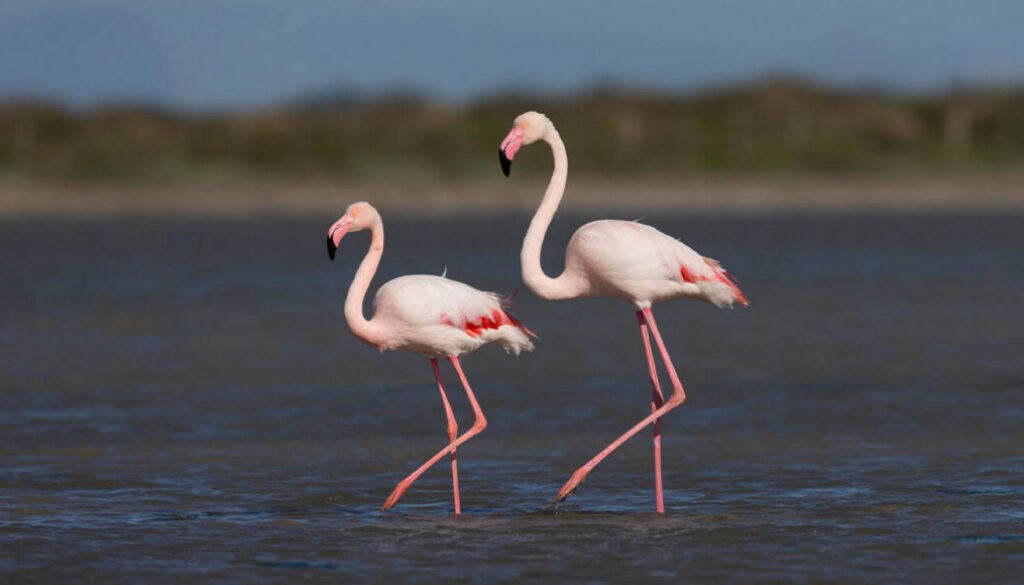
One of the most frequent questions regarding facts about the flamingo is why they possess such a distinct color. Flamingos are not born pink; they are actually born with grey or white feathers. Their iconic rosy hue comes from carotenoid pigments found in their primary food sources: brine shrimp and blue-green algae.
Inside the flamingo’s liver, these pigments are broken down into orange and pink molecules that are eventually deposited into the feathers, skin, and even their fat. If a flamingo stops eating carotenoid-rich food, its new feathers will grow in much paler, and it may eventually turn white.
Essential Facts About the Flamingo
- Common Name: Flamingo
- Scientific Name: Phoenicopterus (Genus)
- Type: Bird
- Diet: Omnivore
- Average Life Span in the Wild: 20 to 30 years
- Size (Head and Body): 3.3 to 4.6 feet
- Weight: 3.3 to 9 pounds
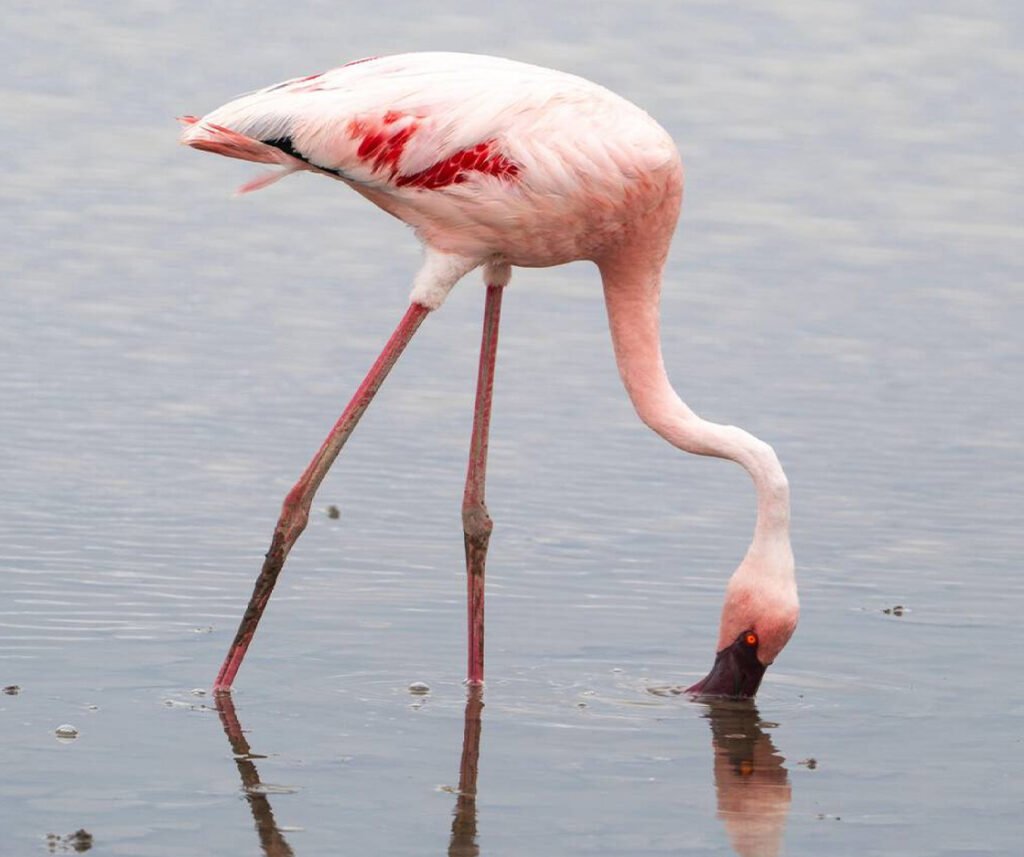
Specialized Feeding: The Upside-Down Beak
Flamingos are filter feeders, a trait they share with baleen whales. To eat, they submerge their heads upside down in the water. Their beaks are equipped with hair-like structures called lamellae, which act as filters to trap tiny organisms while allowing water and mud to escape.
They use their powerful tongues as a pump to draw water in and out of the beak. Interestingly, because they often feed in alkaline or salty lakes that would kill most other animals, they have evolved a highly specialized “toughness” to survive in harsh environments.
The Mystery of the One-Legged Stand
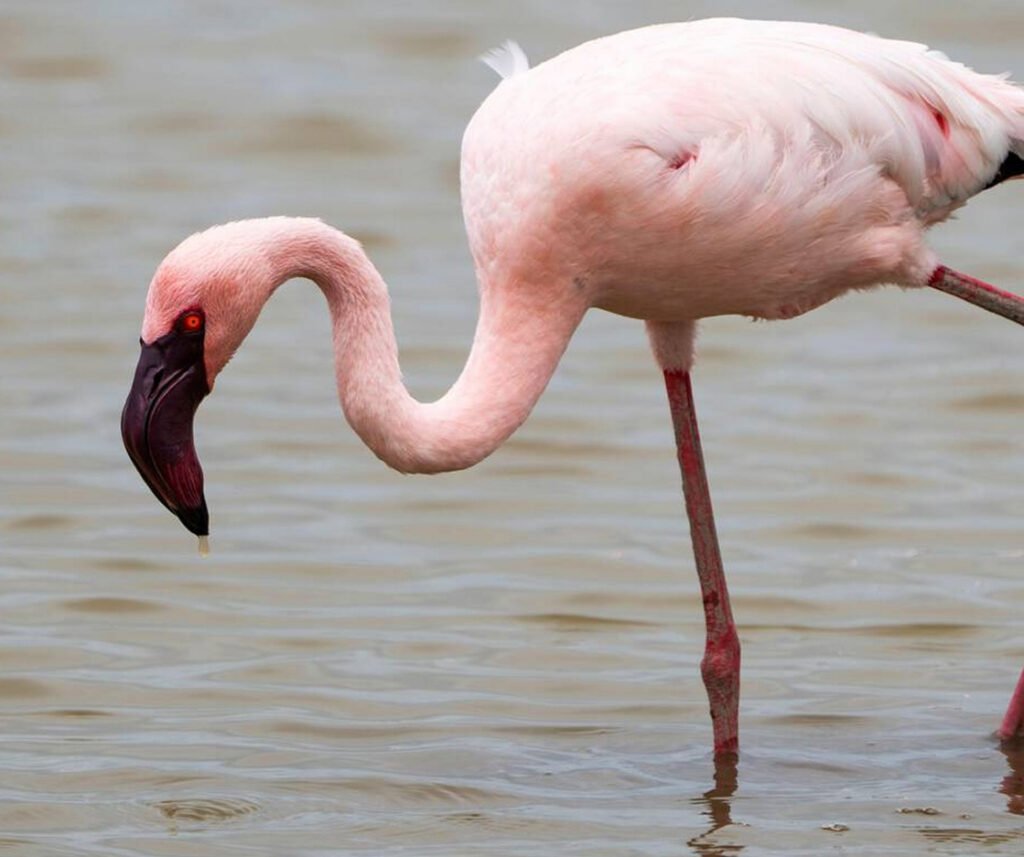
If you’ve ever watched a flamingo at a zoo or in the wild, you’ve likely seen them standing on a single leg. While scientists previously thought this was to reduce muscle fatigue, newer research suggests it is primarily about thermoregulation.
By tucking one leg up against their body, flamingos can conserve significant body heat that would otherwise be lost through their legs into the water. Remarkably, their skeletal structure allows them to “lock” their leg in place, meaning it takes almost no muscular effort to remain balanced in this position.
Social Life and “Flamenco” Dancing
Flamingos are intensely social birds. They live in colonies that can number in the tens of thousands. These large groups provide safety from predators and help the birds find the best nesting sites.
To coordinate breeding, entire colonies will engage in synchronized ritual displays. These “dances” involve head flagging, wing saluting, and twisting, creating a sea of pink movement that ensures the entire group is ready to mate at the same time.
Raising the Next Generation: Crop Milk
Another of the more surprising facts about the flamingo involves how they feed their young. Both male and female flamingos produce a substance called crop milk. Unlike mammal milk, this is a secretion from the lining of the upper digestive tract. It is extremely high in fat and protein and is bright red in color. During the period they are feeding their chicks this milk, the parents often lose their own pink color because they are pumping all their pigments into their offspring!
Different Species and Ranges
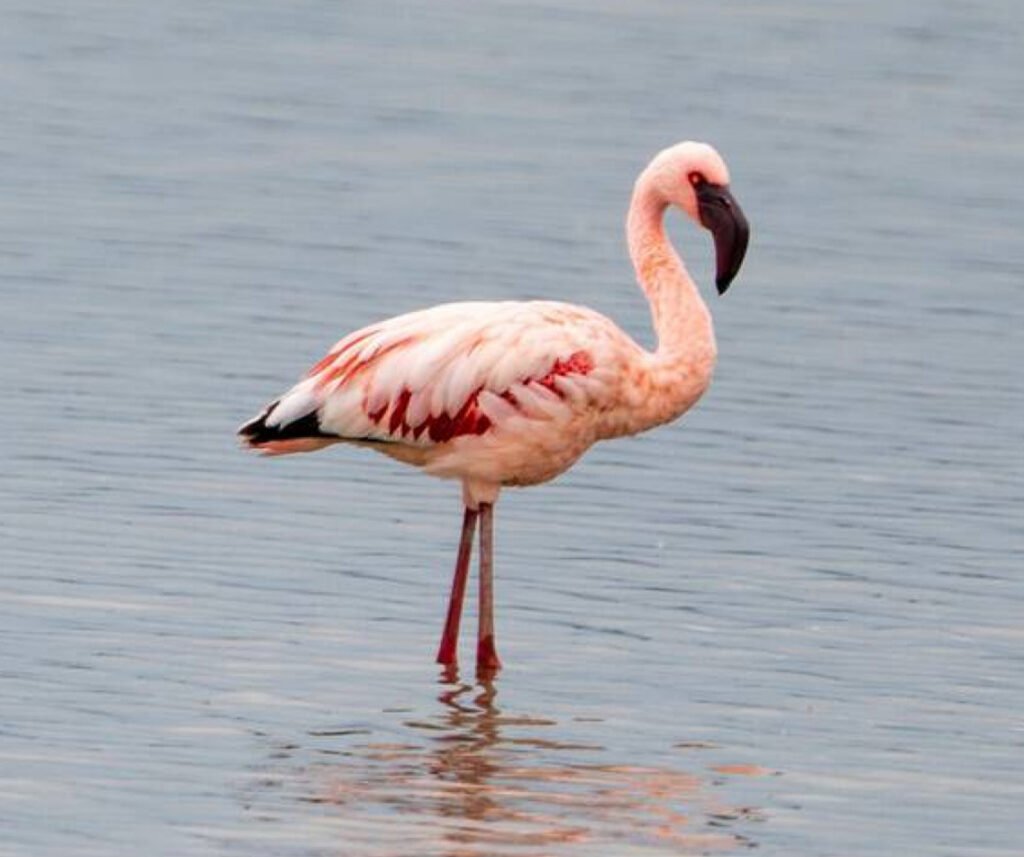
While many people think there is only one type of flamingo, there are actually six distinct species:
-
Greater Flamingo: The largest and most widespread (found in Africa, Europe, and Asia).
-
Lesser Flamingo: The most numerous.
-
Chilean Flamingo: Distinguished by their grey legs with pink joints.
-
Andean Flamingo: The only species with yellow legs and feet.
-
James’s (Puna) Flamingo: Found in high-altitude Andean plateaus.
-
American (Caribbean) Flamingo: Known for having the brightest, most saturated pink plumage.
Flight and Migration
Despite their somewhat awkward appearance on land, flamingos are incredibly graceful flyers. They can reach speeds of up to 35 miles per hour and often travel hundreds of miles at night to find new feeding grounds or nesting sites. When they fly, they extend their long necks and legs fully, creating a striking silhouette against the sky.
Environmental Challenges
While they are hardy birds, flamingos face threats from habitat loss and climate change. Many of the salt lakes they rely on are sensitive to changes in water levels and pollution. Conservation efforts focus on protecting these unique wetlands to ensure that future generations can continue to witness the spectacle of a pink horizon.