Serengeti Calving Season: Best Time, Ndutu Guide & Predator Action
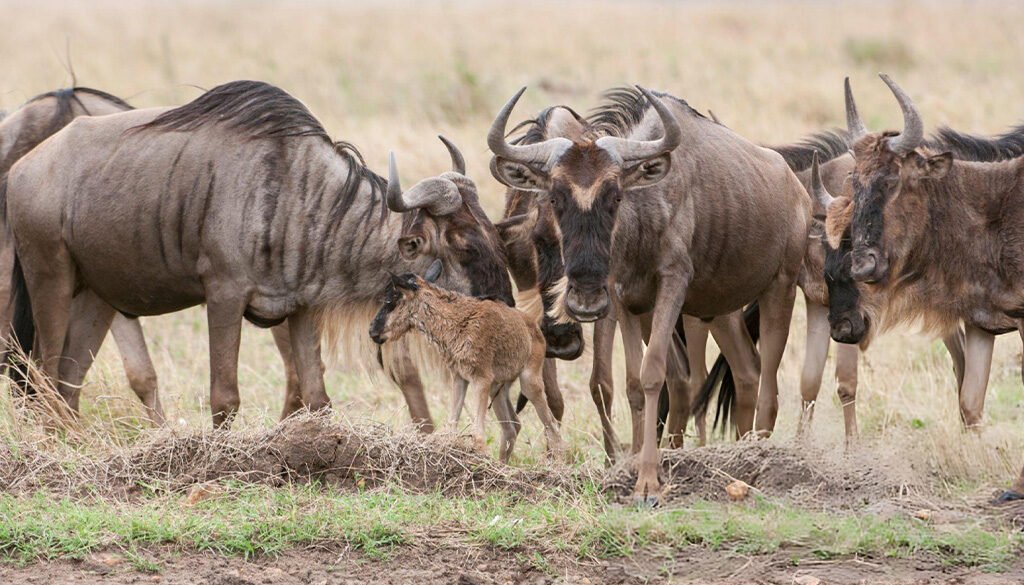
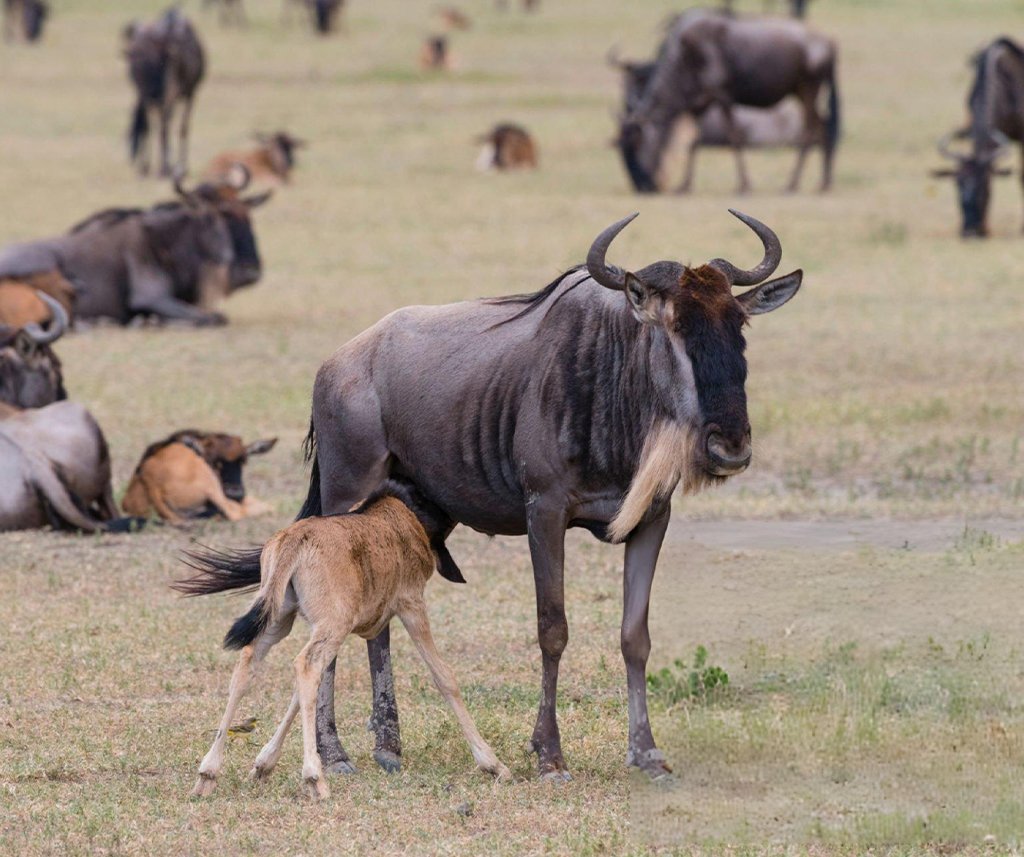
The serengeti calving season represents the single greatest concentration of baby animals anywhere on Earth. Spanning the short-grass plains of the Southern Serengeti and the adjoining Ndutu region within the Ngorongoro Conservation Area, this annual event transforms the landscape from late January through March. Driven by nutrient-rich volcanic soils and nutrient-dense grass shoots, roughly 500,000 wildebeest calves enter the world within a tight three-to-four-week window. During peak birthing in February, upwards of 8,000 calves drop onto the plains every day.
Watching a newborn wildebeest is a masterclass in survival. Within minutes of touching the ground, a calf stumbles to its feet, and within fifteen minutes, it is running alongside the herd to keep pace with its mother. They are joined by thousands of zebra foals and gazelle fawns who use the safety of these massive herds to protect their own young. This sudden explosion of vulnerable prey triggers an unprecedented concentration of big cats.
To fully appreciate the scope of this migration stage, understanding the seasonal rhythm across the region helps frame the journey:
Understanding the Timing: When to Visit
The migration follows rain and fresh grass, making timing critical for witness to the birthing event. Below is a seasonal breakdown to help you align your travel itinerary with nature’s schedule.
Month | Migration Phase & Wildlife Activity | Safari Experience Highlights |
December | Herds assemble on southern short-grass plains; pregnant females gather. | Lush landscapes, lower tourist numbers, early arrival sightings. |
January | Early birthing begins; wildebeest and zebra herds fill Ndutu. | Rising predator presence, high energy, excellent photo light. |
February | Peak Birthing Window: Up to 8,000 calves born daily. | Maximum big cat action, high-speed chases, massive herd counts. |
March | Late births wrap up; young calves gain strength for moving north. | Transitioning herds, dramatic emerald skies, budget-friendly rates. |
Ndutu Regional Guide: The Heart of the Action
The Ndutu area straddles the border between the Southern Serengeti National Park and the Ngorongoro Conservation Area. Its unique geography is defined by shallow soda lakes—Lake Ndutu and Lake Masek—surrounded by open plains and acacia woodland.
Why Herds Choose Ndutu
-
Nutrient-Rich Grazing: Volcanic ash from nearby highlands fills the soil with calcium and phosphorus. This grass provides essential nutrition for lactating mothers and growing calves.
-
Predator Visibility: Short grass leaves little room for predators to hide, giving mother wildebeest a clear sightline to spot approaching threats.
-
Off-Road Access: Unlike central Serengeti rules, parts of the Ngorongoro Conservation Area allow off-road game driving. Safari vehicles can track hunts or births with minimal impact while staying close to the action.
Predator Action: High-Stakes Survival
The sudden influx of hundreds of thousands of vulnerable calves creates an absolute magnet for predators. The serengeti calving season offers some of the most dynamic predator-prey dynamics on earth.
-
Cheetahs on the Flat Plains: Open terrain is tailor-made for speed. Ndutu boasts one of Africa’s highest cheetah concentrations. You will witness high-speed sprints across flat ground as coalitions hunt energetic young calves.
-
Lions and Hyenas: Pride structures shift to capitalize on easy hunting. Lions ambush herds near tree lines or lake shores, while hyena packs use endurance tactics to isolate calves from their mothers.
-
Leopards and Woodland Hunters: Leopards patrol the acacia fringes around Lake Ndutu, targeting young baboons, impalas, or stray wildebeest calves that wander near thick cover.
Planning Your Expedition
To experience the serengeti calving season at its finest, smart planning is essential. High demand for mobile tented camps near Ndutu means accommodations fill up months in advance.
Crucial Safari Tips
-
Choose Mobile Tented Camps: Mobile camps position themselves right alongside moving herds, ensuring you spend time viewing wildlife rather than driving long distances.
-
Pack for Variable Weather: Green season brings warm days and short afternoon showers that clear the dust and create stunning photographic lighting. Bring lightweight rain gear and dry bags for cameras.
-
Bring Proper Optics: High-quality binoculars and telephoto lenses (300mm–600mm) are vital for capturing fast-paced predator hunts from a respectful distance.
From tender first steps on open plains to heart-pounding chases across emerald horizons, this birthing spectacle represents the endless wheel of life in raw, unvarnished beauty.