Elusive Animals of Africa: The Hardest Safari Sightings to Track
Move past the Big Five. Discover the most elusive animals of Africa—including the mythical pangolin and aardvark—and where to spot them on safari.
Elusive Animals of Africa: The Holy Grail of Safari Sightings
For first-time travelers to East or Southern Africa, ticking off the classic Big Five (lion, leopard, elephant, buffalo, and rhino) is the ultimate goal. But for seasoned safari-goers, researchers, and professional trackers, the real thrill lies in hunting for the ghosts of the savannah—the elusive animals of Africa that spend their lives defying detection.
Spotting one of these creatures isn’t just a matter of driving to the right park; it requires the perfect combination of expert tracking, nocturnal exploration, and sheer, unfiltered luck.
Here are the hardest animals to spot on an African safari, ranked by their sheer elusiveness.
1. The Ground Pangolin: The Mythical Holy Grail
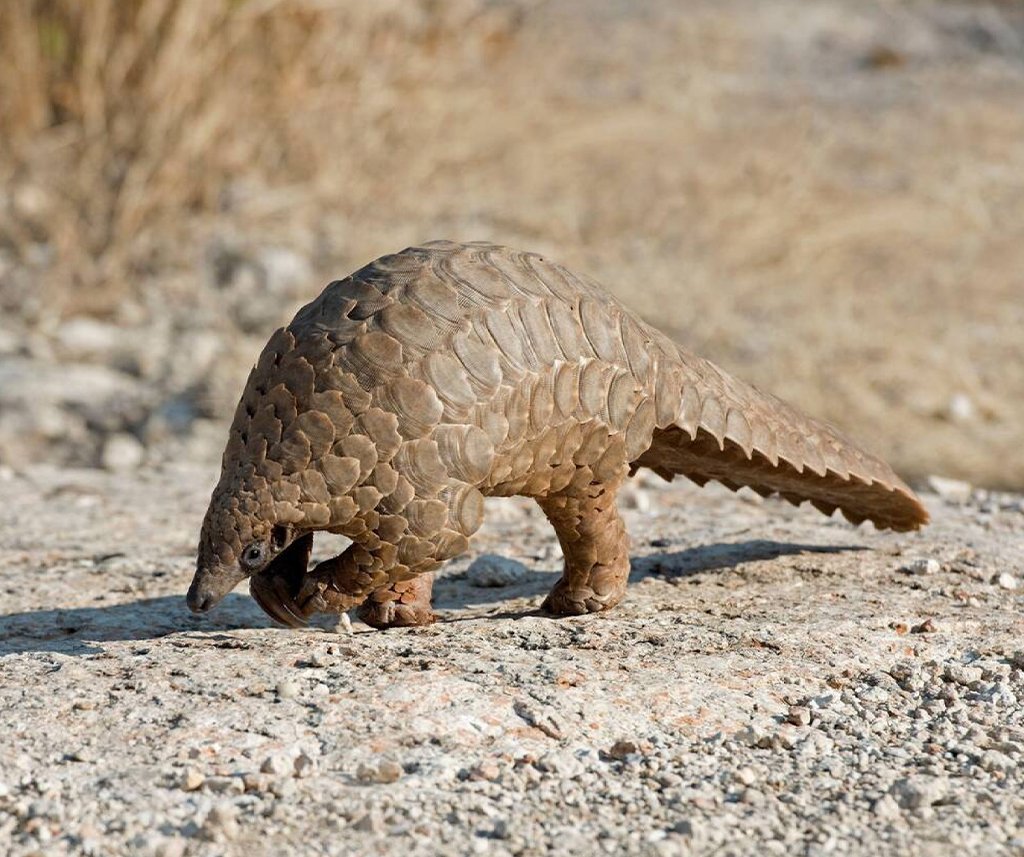
If there is a single creature that seasoned safari guides dream of seeing, it is the ground pangolin (Smutsia temminckii).
-
Why they are invisible: Often described as a “walking pinecone,” the pangolin is covered in overlapping keratin scales. They are completely solitary, intensely shy, and strictly nocturnal. When they sense the vibration of a safari vehicle or a predator, they do not run—they quietly curl into an impenetrable, silent ball in the long grass, making them nearly impossible to spot.
-
The Threat: Tragically, their extreme elusiveness is compounded by the fact that they are the most heavily trafficked mammals on Earth, making wild populations dangerously low.
2. The Aardvark: The Night Shift Ghost
The aardvark (Orycteropus afer) looks like an evolutionary puzzle piece—part pig, part rabbit, part anteater—and is a prized sighting among safari veterans.
-
Why they are invisible: Aardvarks spend the blistering African days sealed inside deep, elaborate underground burrow networks. They only emerge well after the sun has set to hoover up tens of thousands of termites with their sticky, foot-long tongues. Unless your lodge offers dedicated night game drives with a powerful infrared spotlight, you will likely only ever see their freshly dug holes.
3. The Caracal: The Secretive Desert Lynx
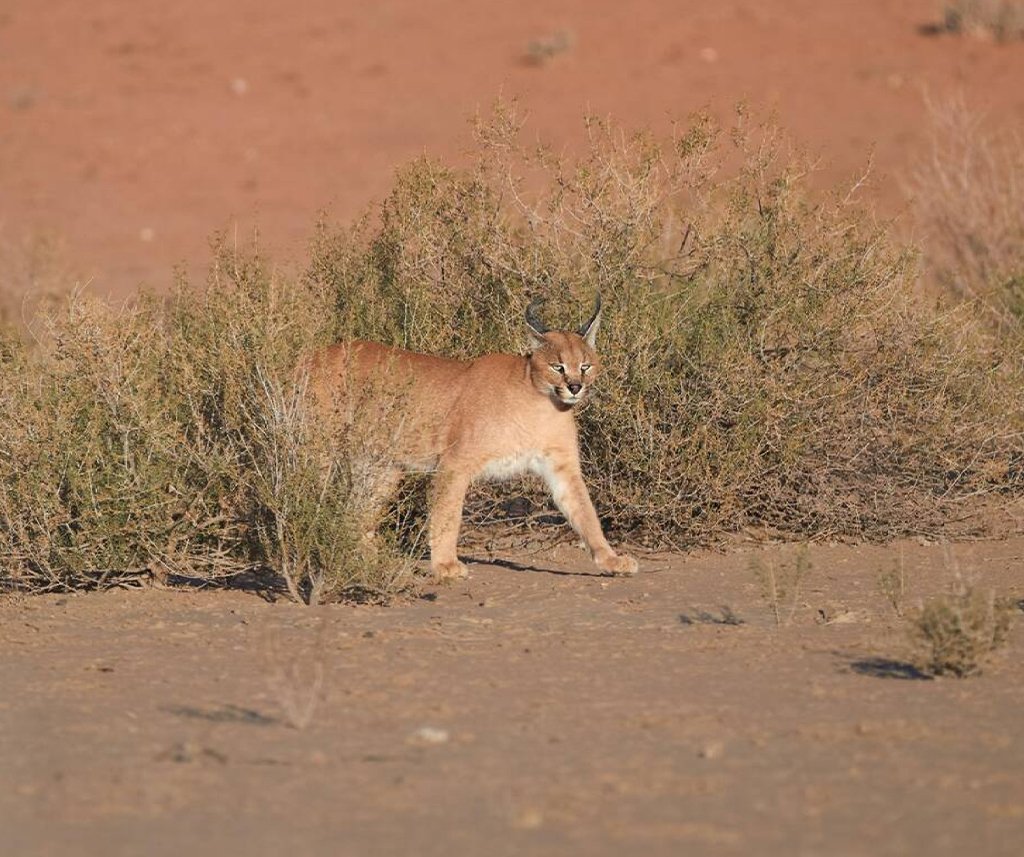
While the leopard is notoriously difficult to spot among the Big Five due to its tree-dwelling camouflage, the caracal (Caracal caracal) takes feline stealth to an entirely different level.
-
Why they are invisible: This medium-sized cat sports a flawless, unspotted tawny coat that blends perfectly into arid brushwood and tall, golden grasses. They are solitary, lightning-fast, and masterfully avoid human presence. A caracal will freeze flat against the red earth the moment a car approaches, waiting for you to pass right by them.
4. The African Wild Dog: The Nomadic Painted Wolf
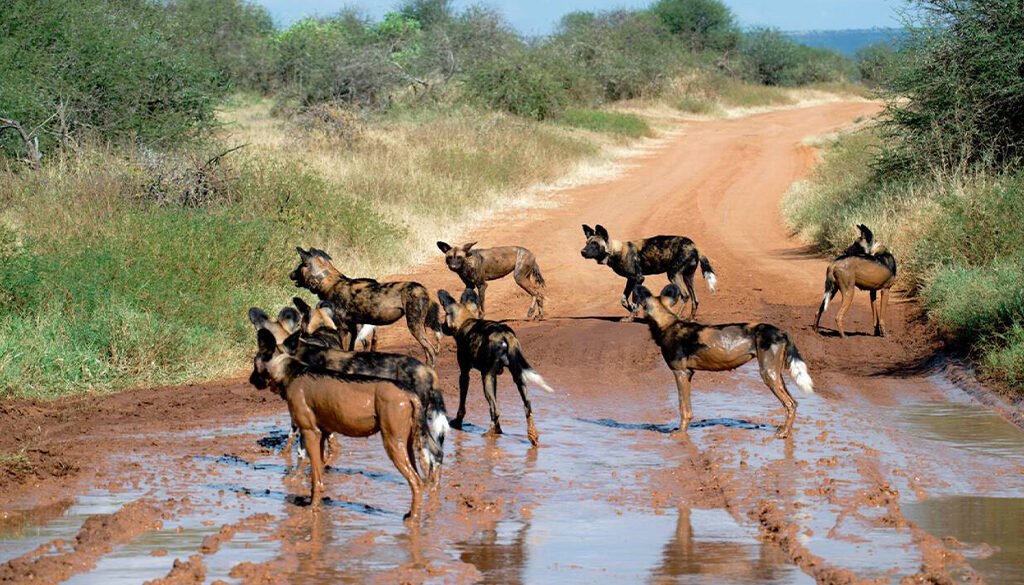
Also known as the painted wolf (Lycaon pictus), the African wild dog is one of the continent’s most efficient apex predators, boasting an 80% hunting success rate.
-
Why they are invisible: Unlike territorial lions or leopards, wild dogs are highly nomadic. A single pack can easily traverse up to 50 kilometers (31 miles) in a single day across massive, unfenced wilderness boundaries. Unless a pack has established a stationary denning site to nurse new puppies, tracking them is like chasing the wind.
Where to Look: The Elusive Species Tracker
To maximize your chances of crossing these rare entities off your wildlife list, you must target highly specific ecosystems that allow specialized tracking.
Elusive Animal | Best Safari Location | Optimal Tracking Method |
Ground Pangolin | Tswalu Kalahari (South Africa), Serengeti (Tanzania) | Dedicated winter afternoon walks or private night tracking. |
Aardvark | Karoo Desert (South Africa), Makgadikgadi Pans (Botswana) | Night safaris during the dry winter months when food is scarce. |
Caracal | Samburu National Reserve (Kenya), Etosha (Namibia) | Early dawn or twilight drives along dry, sandy riverbeds. |
African Wild Dog | Laikipia Plateau (Kenya), Selous / Nyerere (Tanzania) | Specialized radio-collared tracking excursions with local researchers. |
The Safari Tracker’s Rule: Seeing the most elusive animals of Africa requires a shift in mindset. You must throw out the rigid daytime itinerary and focus on night game drives, bush walks on foot, and choosing remote, low-density conservancies where off-road tracking is legally permitted.