Tarangire National Park Safari: The Land of Giants & Baobabs
Plan an unforgettable Tarangire National Park safari in Tanzania. Witness massive elephant herds, ancient 1,000-year-old baobabs, and stunning dry-season river migrations.
Tarangire National Park Safari: The Land of Giants
Often overshadowed by its famous neighbors, the Serengeti and Ngorongoro Crater, a Tarangire National Park safari reveals an untamed, prehistoric world that many enthusiasts consider the hidden jewel of Tanzania’s Northern Circuit.
Characterized by an iconic landscape where massive, 1,000-year-old baobab trees punctuate the rolling golden savannah, Tarangire is defined by its scale, its tranquility, and its undisputed kings: the giants of Africa.
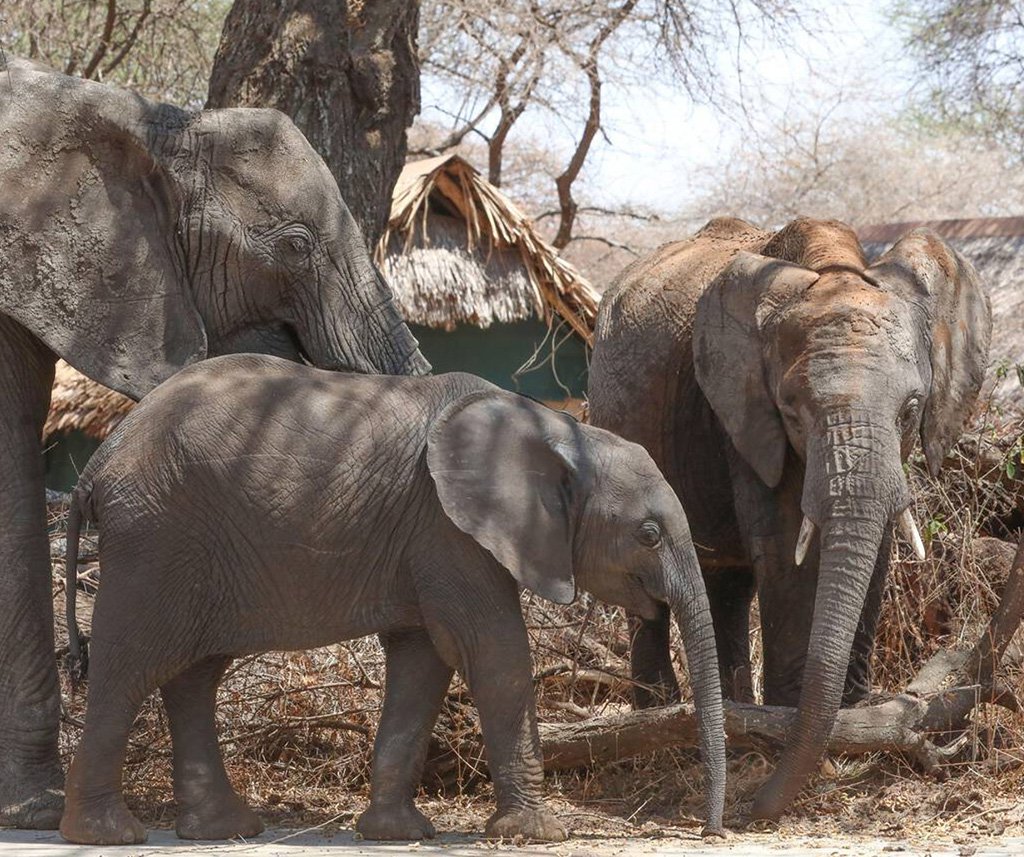
The Epicenter of Africa’s Giants
1. The Kingdom of Elephants
Tarangire boasts one of the highest concentrations of African elephants on the entire continent. During the dry peak months, it is not uncommon to witness family herds stretching up to 300 members strong moving across the plains. Visitors can watch these multi-generational families interact, dig for underground water channels in the sandy riverbeds, and seek shade beneath the forest canopies.
2. Ancient Sentinels: The Baobab Trees
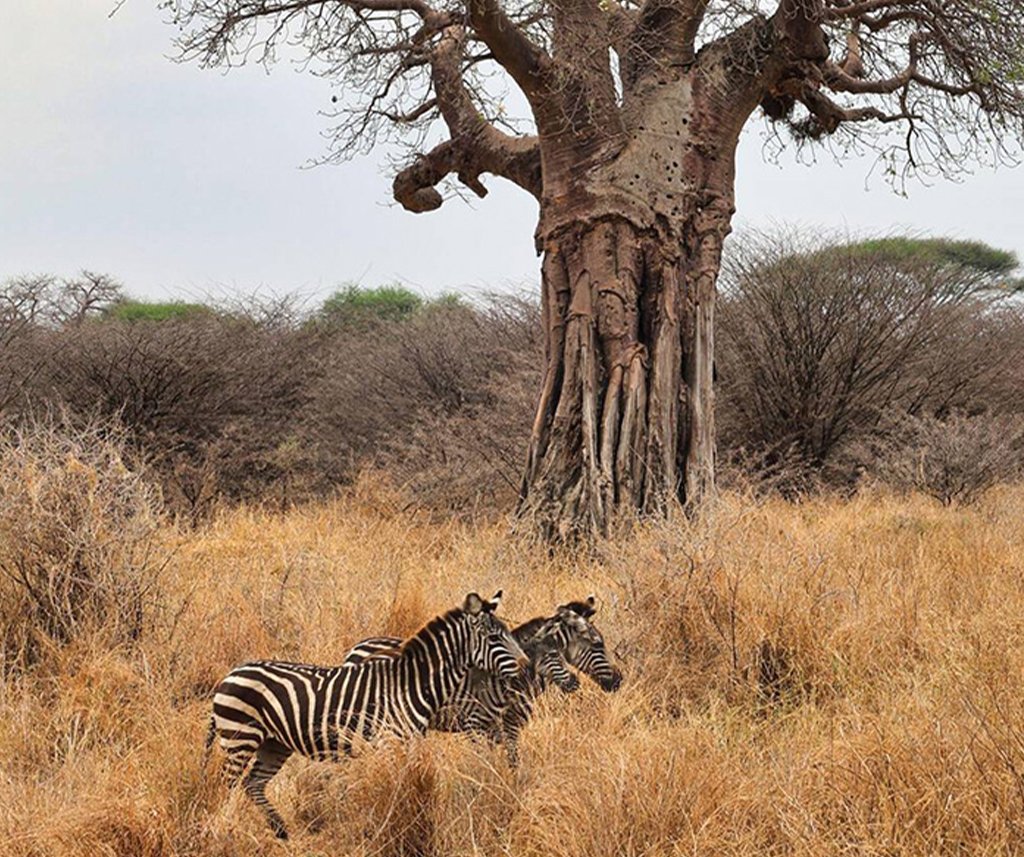
The park’s skyline is dominated by colossal baobab trees—frequently referred to as the “Tree of Life” or the “upside-down tree.”
-
A Living Ecosystem: These ancient trees do more than provide a dramatic backdrop for wildlife photography. Their massive trunks act as natural water reservoirs during severe droughts.
-
The Elephant Connection: On game drives, you will often spot deep scars along the bark where elephants have used their tusks to gouge the trunks, chewing the moist, mineral-rich inner pulp to survive the dry spell.
The Tarangire River Migration: A Seasonal Lifeline
Unlike the endless plains of the Serengeti, wildlife movements in Tarangire are anchored by a crucial geographical feature: the Tarangire River.
As the dry season takes hold, smaller waterholes across the vast Maasai Steppe dry up completely. The permanent waters of the Tarangire River become the only reliable water source for miles, triggering a mini-migration of over 250,000 animals into the park borders.
Season | Wildlife Behavior | Safari Experience |
Dry Season (June – October) | Thousands of migratory wildebeest, zebras, elands, and buffaloes pack the riverbanks alongside massive elephant herds. Predator activity spikes. | Peak Viewing. High animal densities, low vegetation, and predictable wildlife tracking near primary water lines. |
Green Season (November – May) | The park transforms into a lush, emerald paradise. Herbivores disperse into the outer Maasai Steppe to calve. Migratory birds arrive. | Quiet & Exclusive. Best for birdwatching (550+ species) and lush landscape photography with zero vehicle crowding. |
The Tarangire Edge: Because it allows a wider variety of low-impact activities than other parks, your safari here can include night game drives to track elusive leopards and genets, as well as guided walking safaris that let you examine the savannah on foot.
Want a customized itinerary ?
PREMIER LUXURY ACCOMMODATIONS
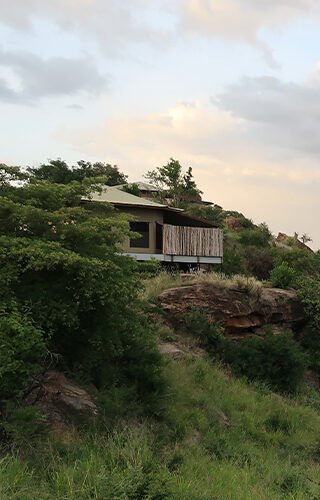
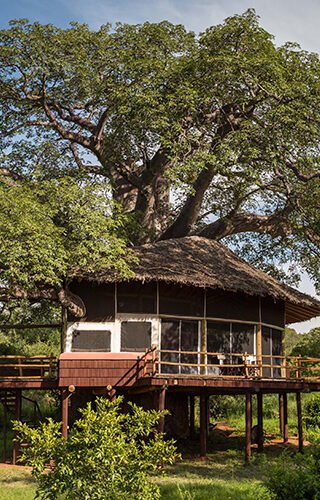
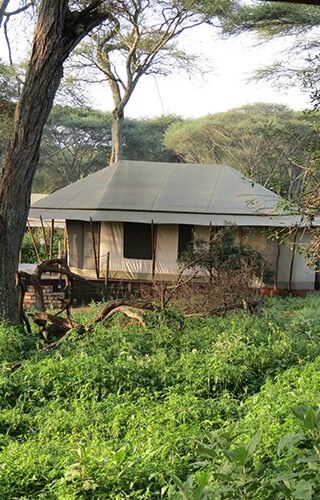
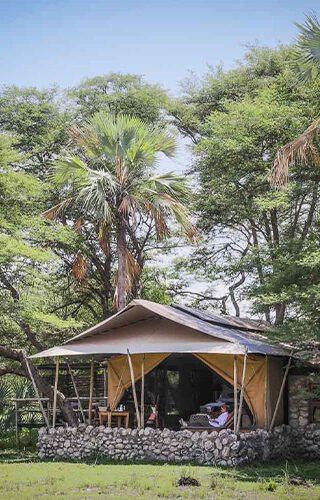
Top Luxury Lodges & Camps in Tarangire
Discover the top luxury safari lodges in Tarangire National Park. From iconic baobab treehouses to exclusive escarpment plunge pools, find your perfect wild escape.