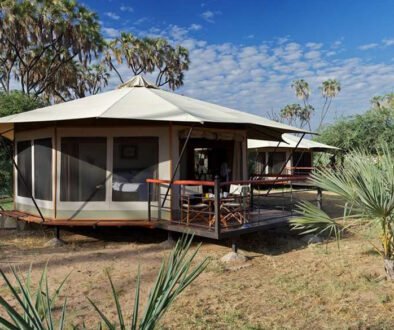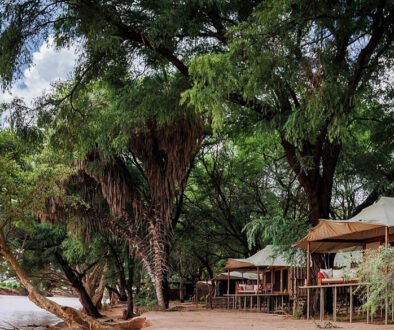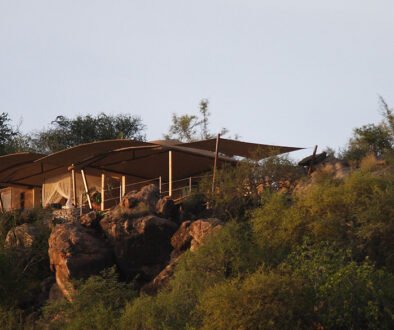
Elephant Bedroom Camp: Intimate Wildlife Encounters
The most talked-after feature of Saruni Samburu is its ground-level photographic hide. Strategically located overlooking a busy waterhole, the hide allows photographers to capture eye-level images of elephants and other wildlife without the animals even knowing they are being watched.
Additionally, the lodge boasts two infinity pools that seem to hang off the edge of the world. Swimming in these pools while watching a herd of elephants drink at the waterhole below is a quintessential Saruni Samburu moment that stays with guests forever.
Quick Facts: Elephant Bedroom Camp at a Glance
Category | Details |
Location | Samburu National Reserve, Kenya |
Accommodation | 14 Luxury Tents with private plunge pools |
Sustainability | Low-impact design, solar-powered lighting |
Primary Wildlife | The "Samburu Special Five," Leopards, Elephants |
Unique Feature | Frequent elephant visits directly into the camp |
Activities | Cultural visits, guided bush walks, game drives |
Luxury Accommodation: A Blend of Rusticity and Elegance
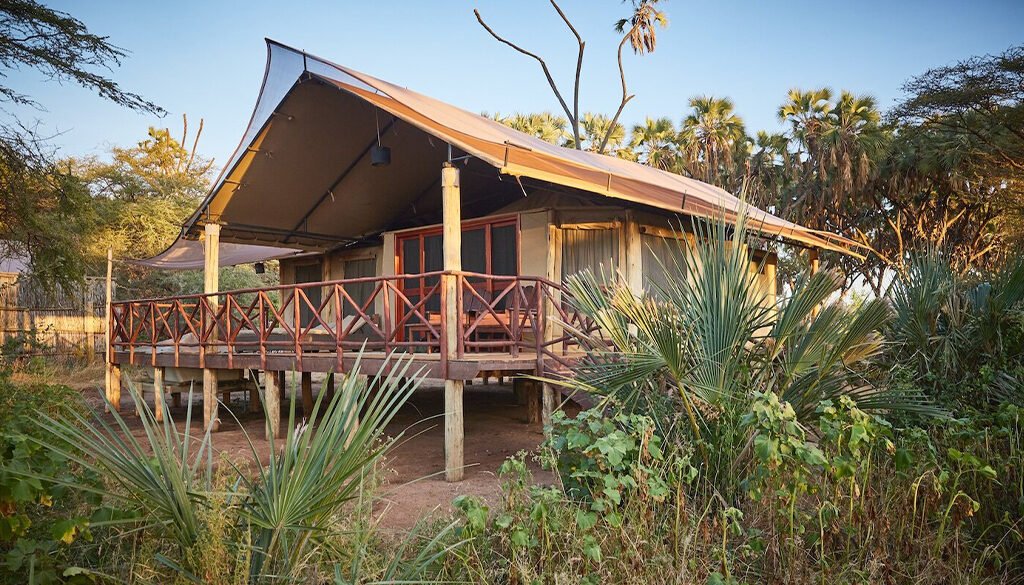
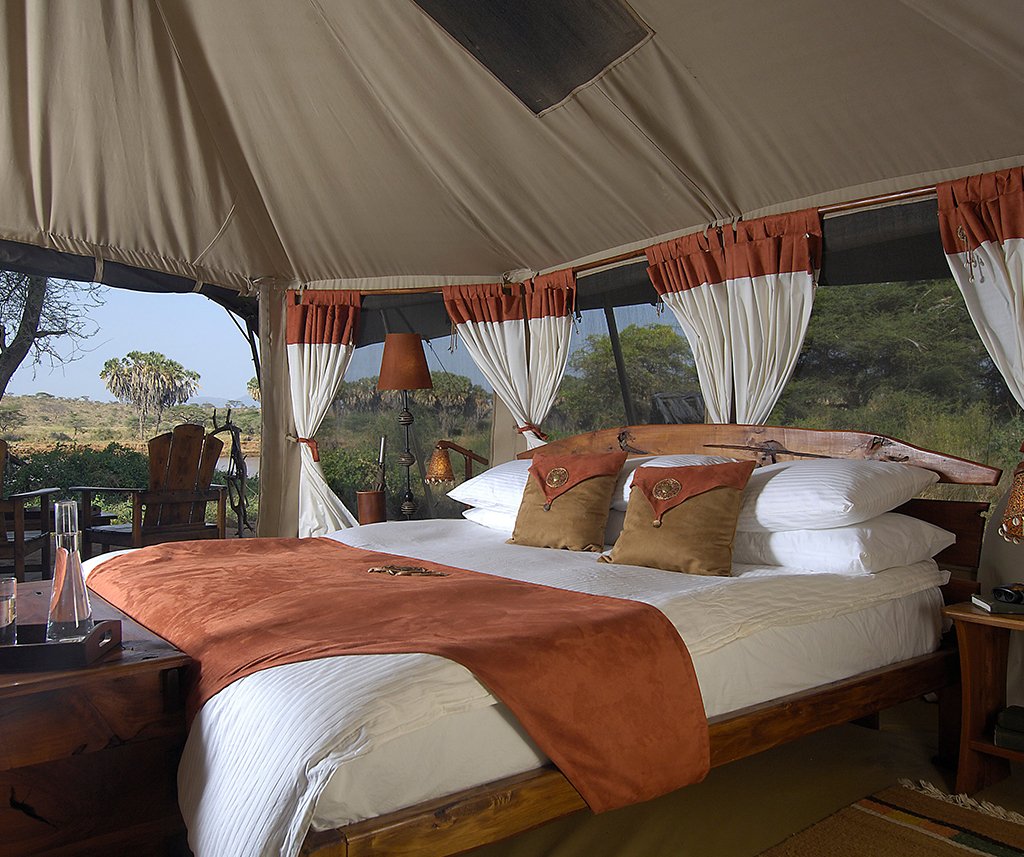
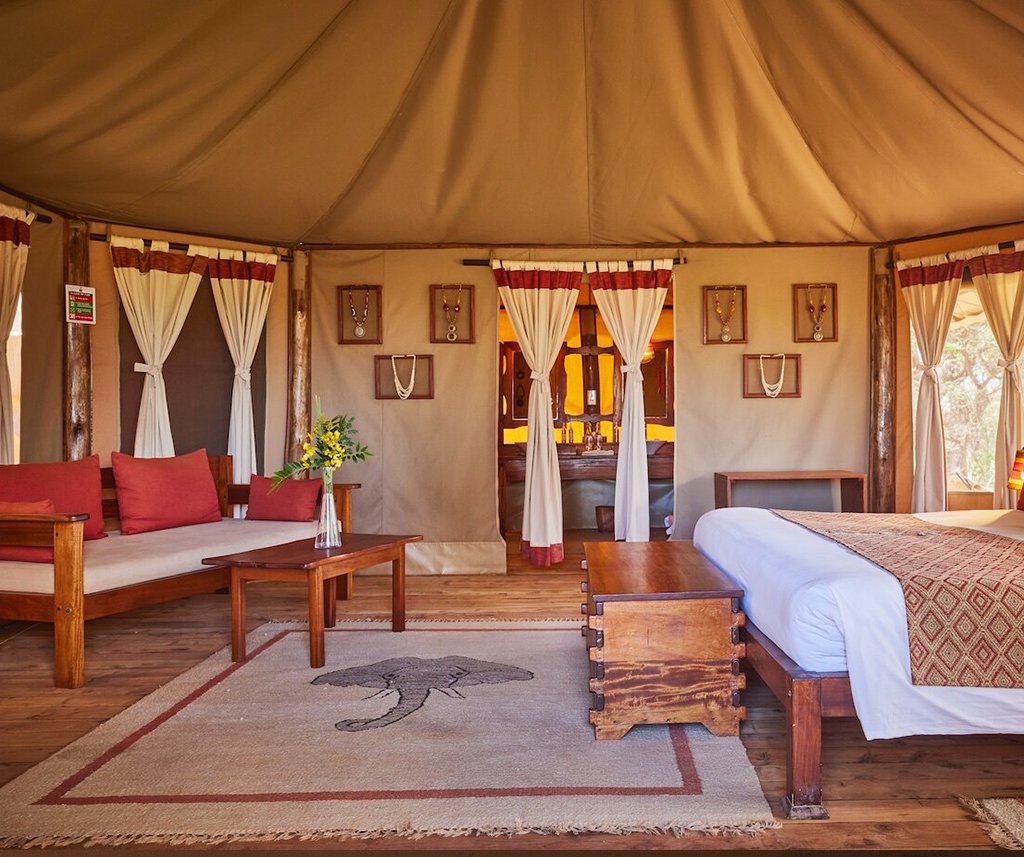
The design of Elephant Bedroom Camp reflects a deep respect for the environment. The camp consists of just 14 spacious tents, ensuring that every guest receives personalized attention. Each tent is raised on a wooden deck and features a private plunge pool—a welcome luxury after a dusty morning game drive.
Inside, the decor at Elephant Bedroom Camp utilizes earthy tones, colorful African rugs, and high-quality linens. The “bedroom” aspect of the camp’s name is taken literally; the tents are designed to provide a restful, high-end sleep experience while the sounds of the African night—the hoot of an owl or the splash of a hippo—act as a natural lullaby.
Commitment to Sustainability and Conservation
In an ecosystem as fragile as Samburu, sustainability is paramount. Elephant Bedroom Camp operates with a minimal footprint. The camp uses solar energy for lighting and employs eco-friendly waste management systems to ensure that the river remains uncontaminated.
Furthermore, Elephant Bedroom Camp works closely with the local Samburu people. By providing employment and supporting local markets, the camp ensures that the community sees the direct benefits of wildlife conservation. This symbiotic relationship is the backbone of successful tourism in northern Kenya.
Primary Wildlife: The Samburu Special Five
Staying at Elephant Bedroom Camp provides the perfect vantage point to search for the “Samburu Special Five”—species found north of the equator that are not seen in the more famous Masai Mara. These include the Reticulated Giraffe, Grevy’s Zebra, Beisa Oryx, Somali Ostrich, and the Gerenuk (the long-necked gazelle that stands on its hind legs to eat).
Of course, the stars of the show at Elephant Bedroom Camp are the elephants. The camp is located on a traditional migratory route, meaning herds frequently wander through the grounds. It is not uncommon for guests to watch an elephant grazing just meters from their tent’s veranda.
Immersive Activities: Beyond the Vehicle
While the game drives at Elephant Bedroom Camp are world-class, the camp offers several other ways to engage with the landscape:
-
Cultural Visits: Spend time with the local Samburu community to learn about their traditions, beadwork, and nomadic lifestyle.
-
Guided Bush Walks: Accompanied by a professional naturalist, explore the smaller details of the bush—from tracking animal footprints to identifying medicinal plants.
-
Sundowners: Enjoy a classic Kenyan tradition by watching the sunset over the Matthew’s Range with a drink in hand.
-
Bush Breakfasts: Experience a full English breakfast set up in the middle of the wilderness, surrounded by the sights and sounds of the savannah.
Culinary Excellence in the Wild
Dining at Elephant Bedroom Camp is a sensory delight. The chefs specialize in “al fresco” dining, often setting tables on the sand of the riverbank under the stars. The menu at Elephant Bedroom Camp is a sophisticated mix of local ingredients and international flavors, often featuring fresh vegetables and fruits sourced from the highland farms of Mount Kenya.