Angama Mara: The “Out of Africa” Unique Feature
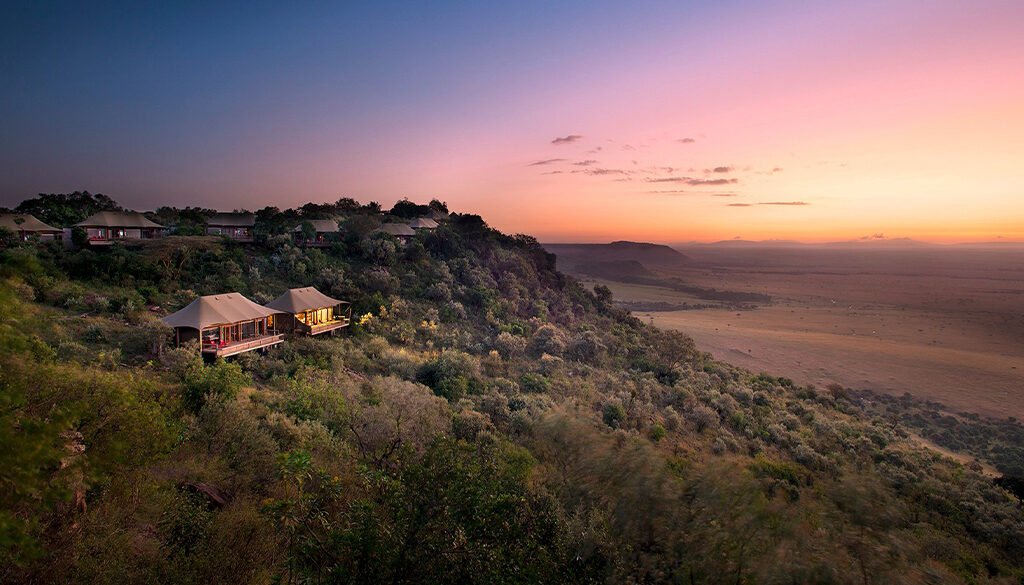
The most romantic aspect of Angama Mara is its connection to the 1985 film Out of Africa. The famous scenes where Denys Finch Hatton and Karen Blixen overlook the landscape were filmed right here on the “Out of Africa” kopje.
Today, the lodge offers “Out of Africa” picnics on that very spot. Imagine sitting on a checked blanket with a bottle of sparkling wine on ice, looking out over the same horizon that captivated moviegoers decades ago. It is a moment of pure cinematic magic brought to life.
Quick Facts: Angama Mara at a Glance
Category | Details |
Location | Oloololo Escarpment, overlooking the Mara Triangle, Kenya |
Accommodation | 30 Luxury Tented Suites (divided into two separate camps) |
Sustainability | Operates the Angama Foundation; supports Mara Conservancy and Big Life Foundation |
Primary Wildlife | The Big Five (Lion, Leopard, Elephant, Buffalo, Black Rhino) |
Unique Feature | Filming location for the classic movie Out of Africa |
Activities | Hot air ballooning, game drives, walking safaris, beading studio, and "Out of Africa" picnics |
Exceptional Accommodation
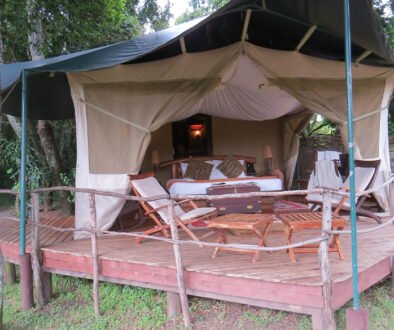
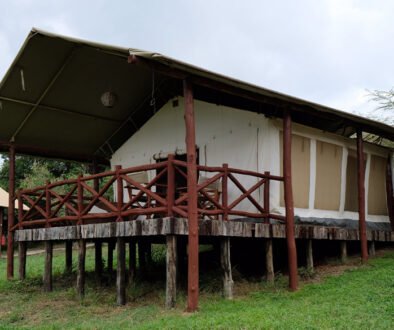
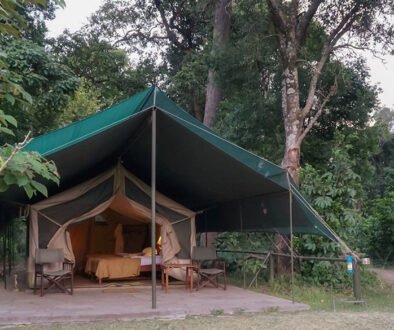
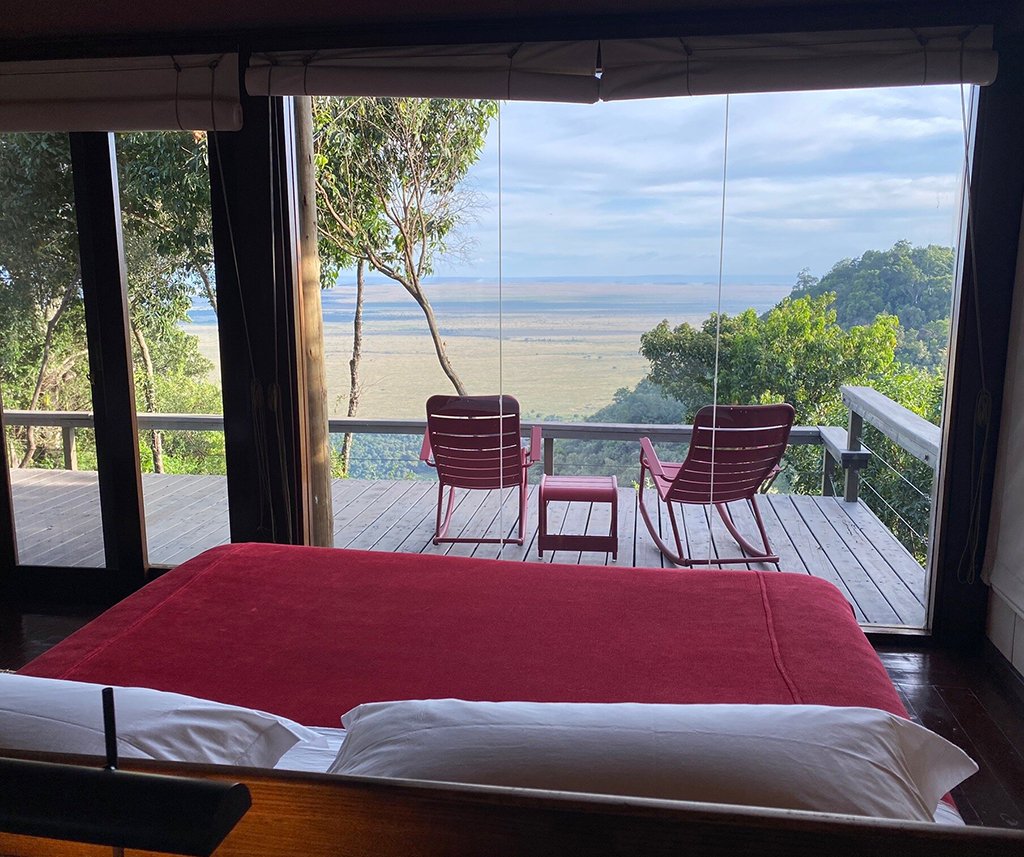
The design of the accommodation at Angama Mara is a departure from traditional safari décor. There are two identical camps, North and South, each featuring 15 tented suites. These are not tents in the conventional sense; they are sophisticated glass-fronted suites that span over 100 square meters.
-
Glass-Fronted Design: Floor-to-ceiling glass windows allow for an uninterrupted 180-degree view of the plains below. You can literally watch the Great Migration from your bed.
-
Modern Interiors: The suites feature polished parquet floors, super-king-size beds, and a distinctive “red rocking chair” on the deck—a signature Angama touch for peaceful wildlife viewing.
-
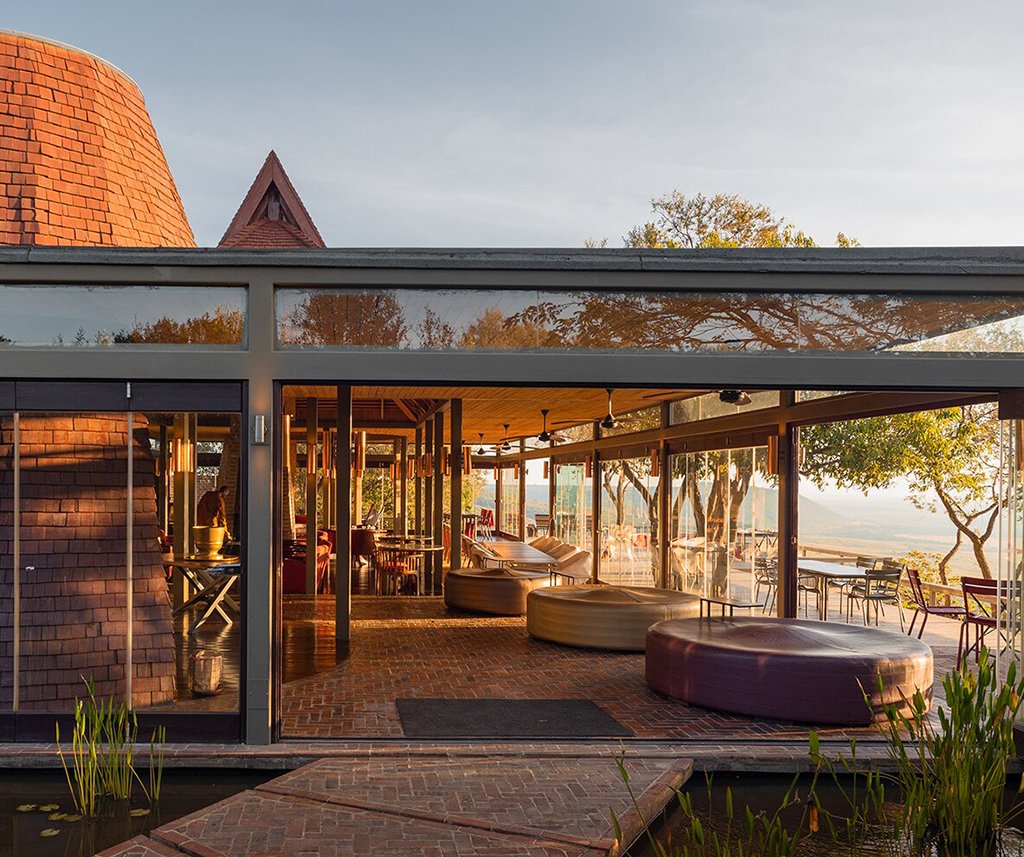
The Guest Pavilion: Each camp has its own guest area featuring a fitness center, a 12-meter rim-flow swimming pool, and the “Map Room,” where guests can learn about the history and topography of the region.
A Commitment to Sustainability
For those who value ethical travel, Angama Mara stands as a beacon of responsible tourism. The lodge operates through the Angama Foundation, which focuses on three pillars: healthcare, education, and conservation.
One of their most significant contributions is the support of the Mara Conservancy. By leasing land from local landowners and hiring over 90% of their staff from the surrounding communities, the lodge ensures that the economic benefits of tourism are shared directly with the people who have coexisted with this land for centuries. Additionally, the lodge has been a leader in plastic-free initiatives and supports the Mara Conservancy’s canine anti-poaching unit.
Primary Wildlife and the Mara Triangle
The Mara Triangle is a 12-month-a-year wildlife destination. While the Great Migration (from July to October) is the headline event—bringing millions of wildebeest and zebra across the Mara River—the resident wildlife is equally impressive.
Angama Mara guests have the chance to see:
-
The Big Five: High densities of lions and elephants are common, and the Triangle is one of the best places in Kenya to spot the elusive black rhino.
-
Predators: Cheetahs and leopards thrive in the varied terrain of the escarpment and the plains.
-
Birdlife: With over 570 recorded species, the area is a paradise for birdwatchers, ranging from massive ostriches to vibrant lilac-breasted rollers.
Activities and Experiences
A stay at Angama Mara is highly personalized. There are no set schedules; instead, days are crafted around the guest’s desires.
-
Hot Air Ballooning: Drift silently over the Mara at dawn followed by a champagne breakfast in the bush.
-
Walking Safaris: Led by Maasai naturalists, these walks along the escarpment focus on the “Little Five,” medicinal plants, and traditional tracking.
-
The Shamba: A visit to the lodge’s one-acre kitchen garden (“Shamba” in Swahili) for a farm-to-table lunch under the trees.
-
Beading Studio: Spend time with Maasai women who create intricate beadwork, learning about their culture and the symbolism of different colors.