Borana Lodge: The Heritage Original
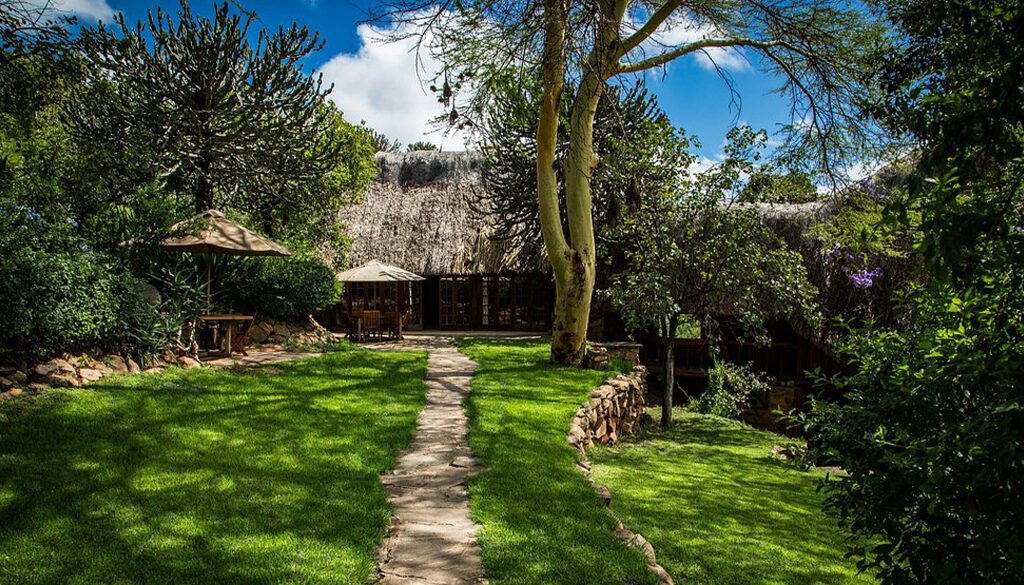
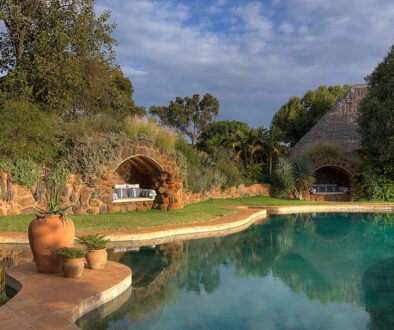
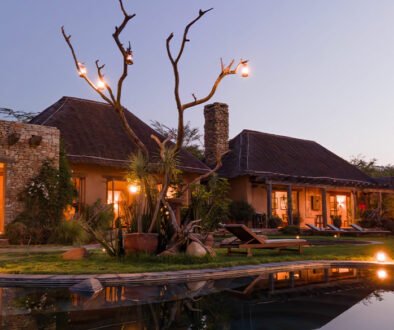
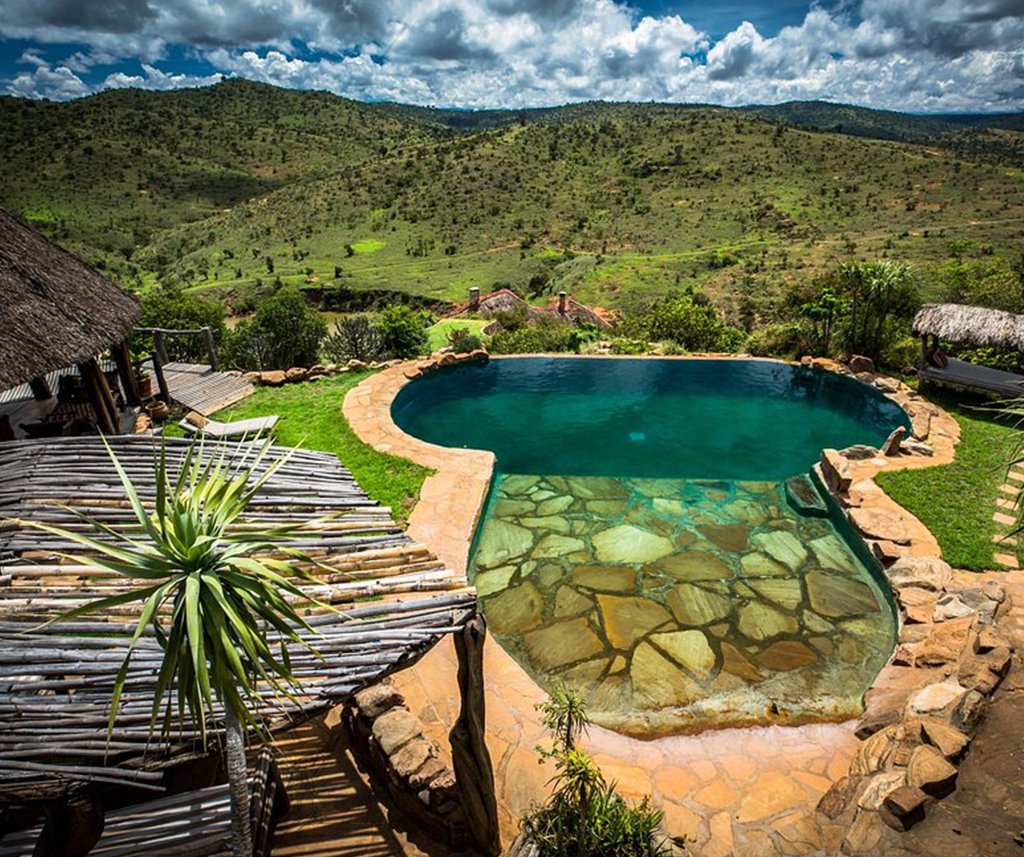
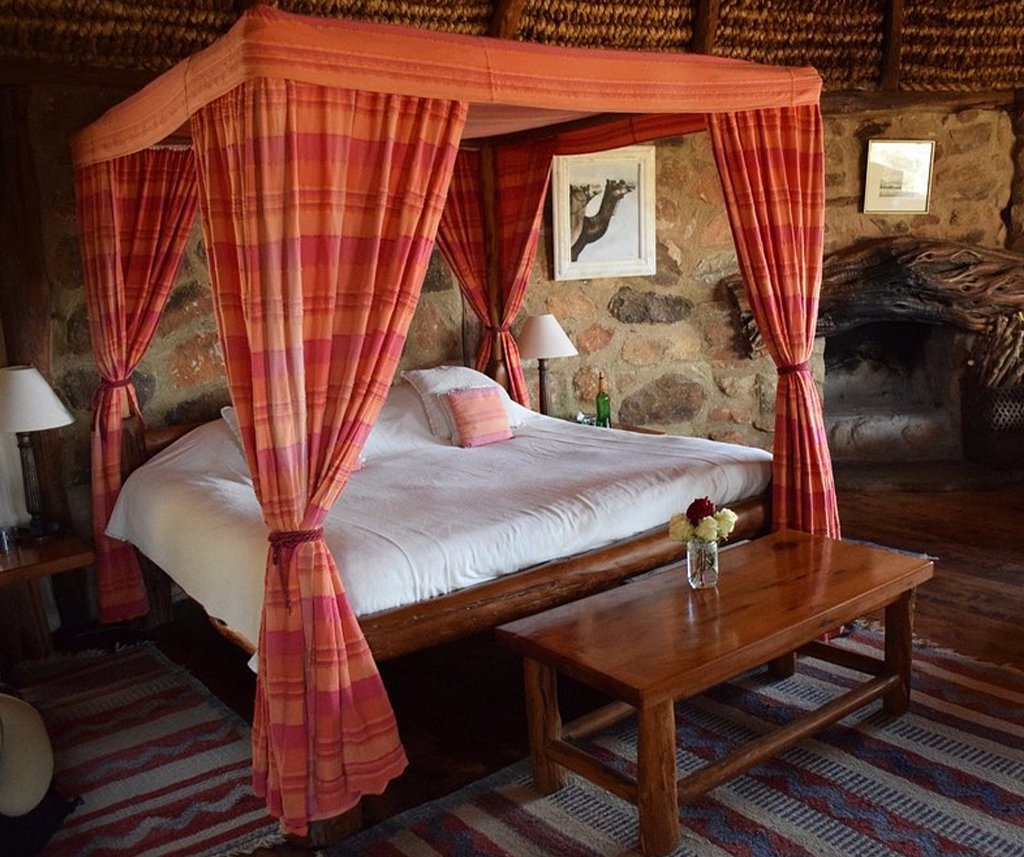
The design of Borana Lodge is a tribute to its surroundings. Built using local stone, cedar, and thatch, the eight private cottages feel like a natural extension of the hillside. Each suite is uniquely shaped, featuring cozy fireplaces, spacious en-suite bathrooms, and private verandas. The infinity pool, carved directly into the rock face, offers guests a front-row seat to the local watering hole where elephants and buffalo frequently gather to drink.
Quick Facts: Borana Lodge at a Glance
Category | Details |
Location | Borana Conservancy, Laikipia, Kenya |
Accommodation | 8 secluded cottages (stone and thatch) |
Sustainability | 100% of retained earnings go to conservation |
Primary Wildlife | Black and White Rhino, Lion, Elephant, Reticulated Giraffe |
Unique Feature | Non-profit model supporting rhino protection |
Activities | Riding safaris, bush walks, farm visits, e-biking |
A Legacy of Sustainability
What truly sets Borana Lodge apart is its “giving back” philosophy. As a non-profit conservation lodge, all proceeds from your stay are reinvested directly into the Borana Conservancy. This funding supports the dedicated anti-poaching teams and the “Rhino Rangers” who monitor the sanctuary’s burgeoning rhino population. By choosing Borana Lodge, travelers become active participants in the protection of Kenya’s natural heritage.
Primary Wildlife: A Rhino Sanctuary
The Borana Conservancy is world-renowned for its success in rhino conservation. While staying at Borana Lodge, guests have a near-guaranteed chance of spotting both the elusive black rhino and the more social white rhino. The area is also a stronghold for the endangered African wild dog. Because the lodge is located on a private conservancy, the wildlife viewing is exclusive and free from the crowds found in national parks.
The Unique Feature: The Mission-Driven Model
The most compelling unique feature of Borana Lodge is its integration with the local community and the land. Guests are invited to visit the lodge’s organic farm and dairy, which provides fresh produce for the kitchen. This farm-to-table approach reduces the carbon footprint and ensures that the local community benefits directly from the lodge’s operations. It is a rare example of a “holistic” safari where luxury living and rural agriculture coexist.
Engaging Safari Activities
Borana Lodge offers an array of activities that go far beyond the traditional game drive:
-
Horseback Safaris: Experience the thrill of riding alongside giraffes and zebras.
-
Guided Bush Walks: Track rhino on foot with expert local scouts.
-
Mountain Biking: Explore the rugged trails of the plateau on an e-bike.
-
Behind-the-Scenes Conservation: Spend a morning with the anti-poaching unit to learn about modern wildlife protection.
Culinary Excellence and Hospitality
Dining at Borana Lodge is a social and sensory experience. Meals are often served communal-style on the grand dining deck or as private bush breakfasts under the shade of an acacia tree. The ingredients are harvested daily from the Borana farm, ensuring that every plate is a celebration of Kenyan flavors. Whether it’s a sundowner overlooking the plains or a candlelit dinner by the fire, the hospitality is warm, personal, and profoundly professional.
Why Choose Borana Lodge for Your Next Safari?
In an era where “eco-tourism” is often a marketing buzzword, Borana Lodge delivers the real thing. It is a place for the conscious traveler who seeks deep comfort without compromising on ethics. The lodge provides a sanctuary for both people and animals, fostering an environment where one can truly disconnect from the modern world and reconnect with nature.
Planning Your Visit
The best time to visit Borana Lodge is during the dry seasons from June to September and December to March. During these periods, wildlife is more concentrated around the water sources, providing spectacular viewing opportunities. Access is easy via private charter or a scheduled flight to the nearby Lewa airstrip, followed by a scenic game drive to the lodge.